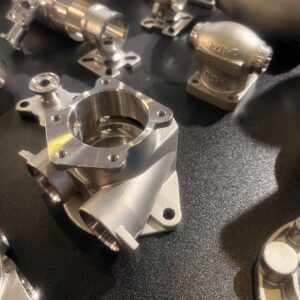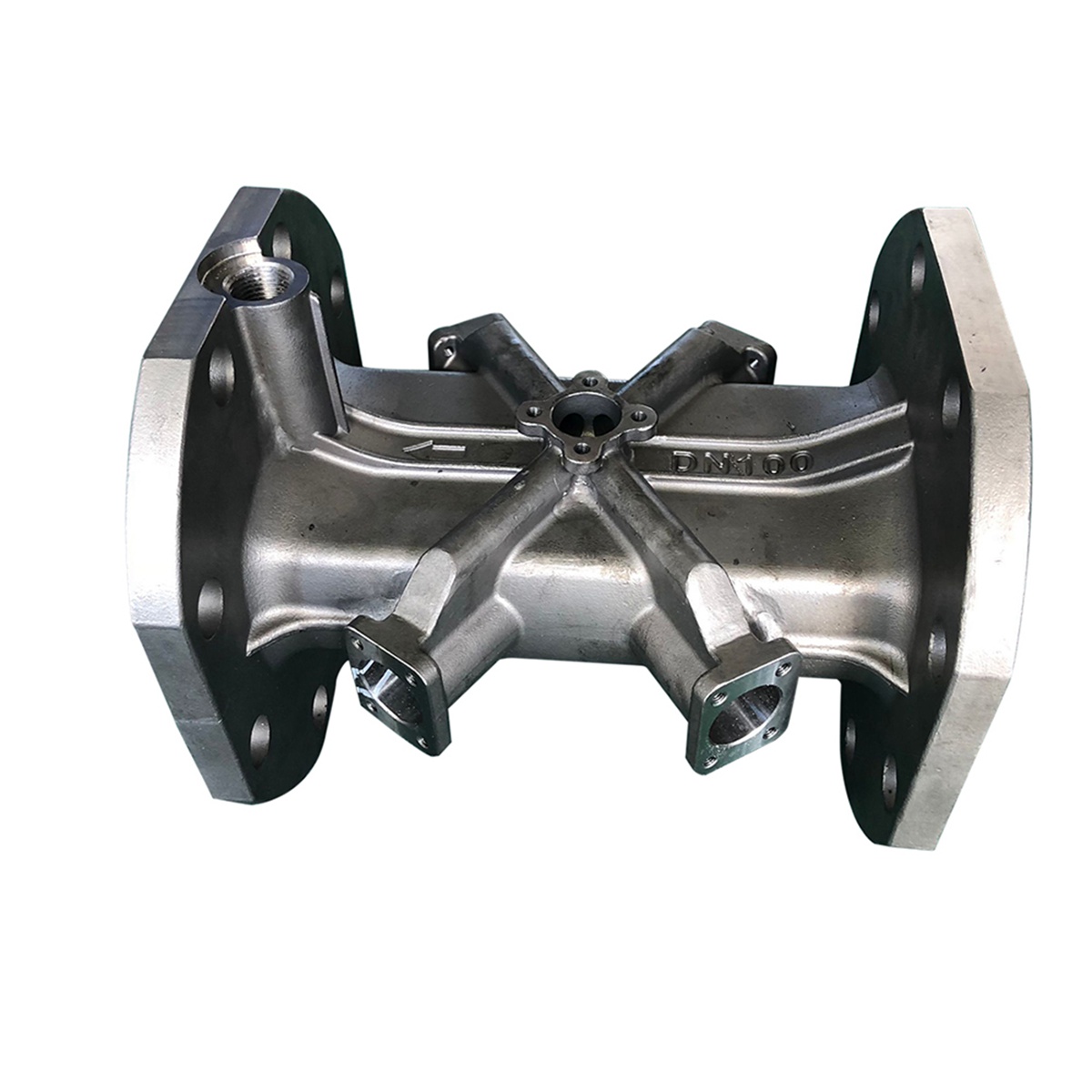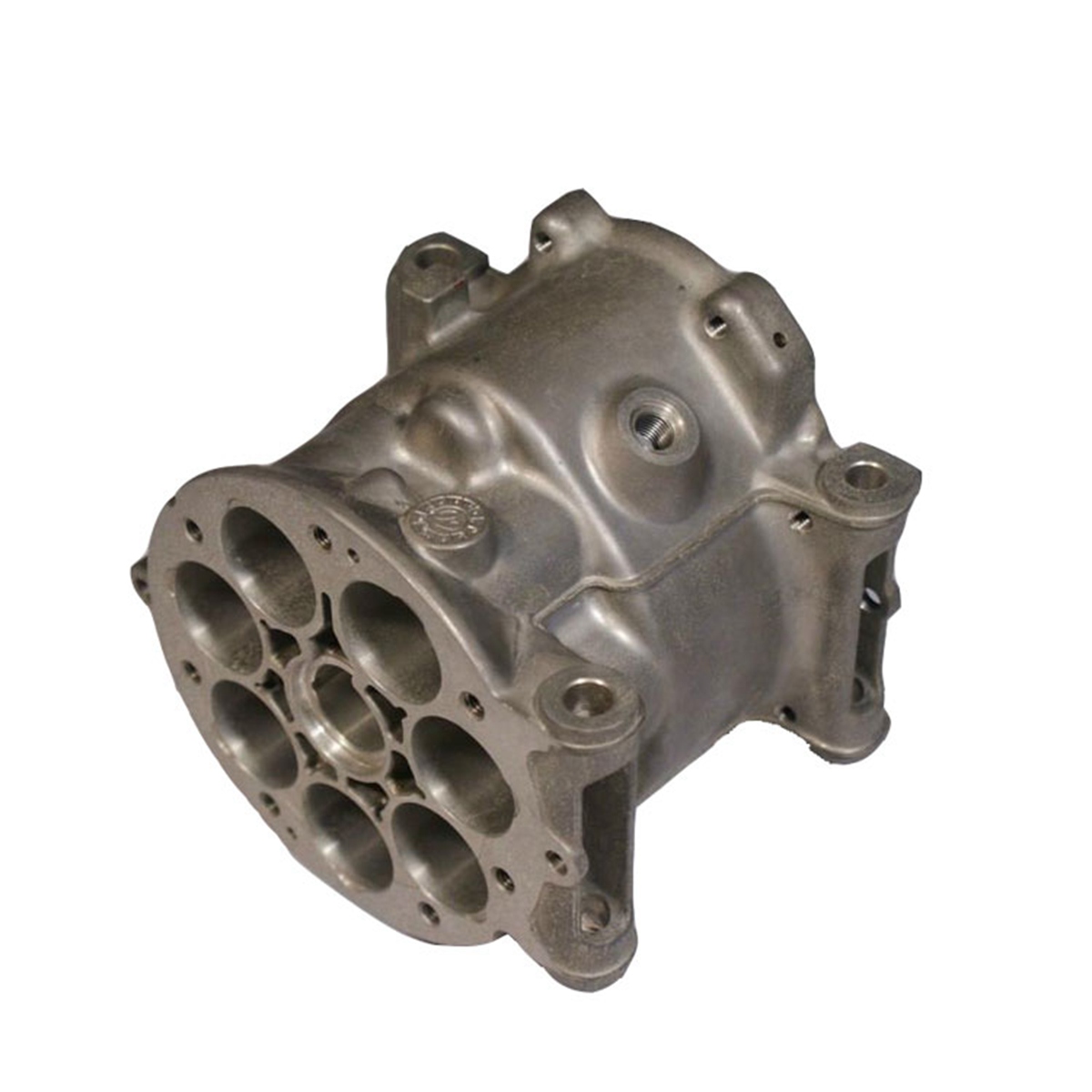
Stainless steel investment casting is a metal forming process used to manufacture stainless steel components by pouring molten metal into a ceramic mold created from a wax pattern. The method is commonly known as lost wax casting because the original wax pattern is removed before molten metal is introduced into the mold.
The process begins with the creation of a wax replica that matches the desired component. This wax pattern is coated with multiple layers of ceramic material to form a rigid shell. Once the shell hardens, the wax is melted and removed, leaving a hollow cavity inside the mold. Molten stainless steel is then poured into the cavity and allowed to solidify. After cooling, the ceramic shell is broken away to reveal the cast metal part.
Investment casting has been used for centuries and remains one of the most widely adopted casting methods for manufacturing stainless steel components with complex geometries. The term “investment” refers to the process of surrounding, or investing, the wax pattern with refractory ceramic materials that form the mold.
Unlike fabrication methods that remove material from a solid metal block, stainless steel investment casting creates parts by shaping molten metal directly inside a mold. The final component is formed according to the geometry of the original wax pattern, making the wax model a critical element of the entire manufacturing process.
Today, stainless steel investment casting is an established manufacturing technique used by foundries around the world to produce a wide variety of stainless steel components. The process combines wax pattern production, ceramic mold creation, metal pouring, and finishing operations into a complete casting system that transforms raw stainless steel into finished metal parts.