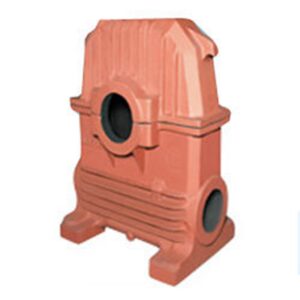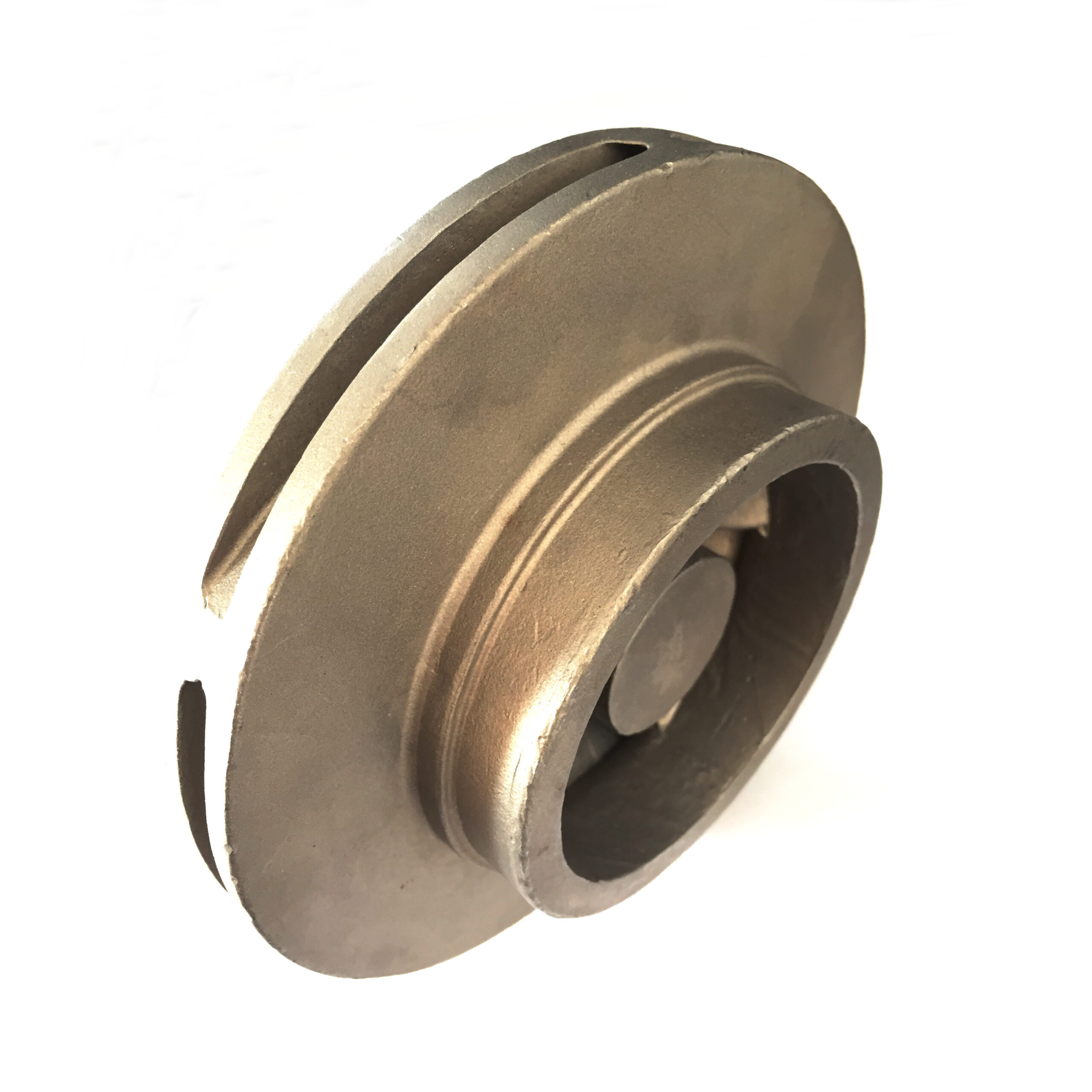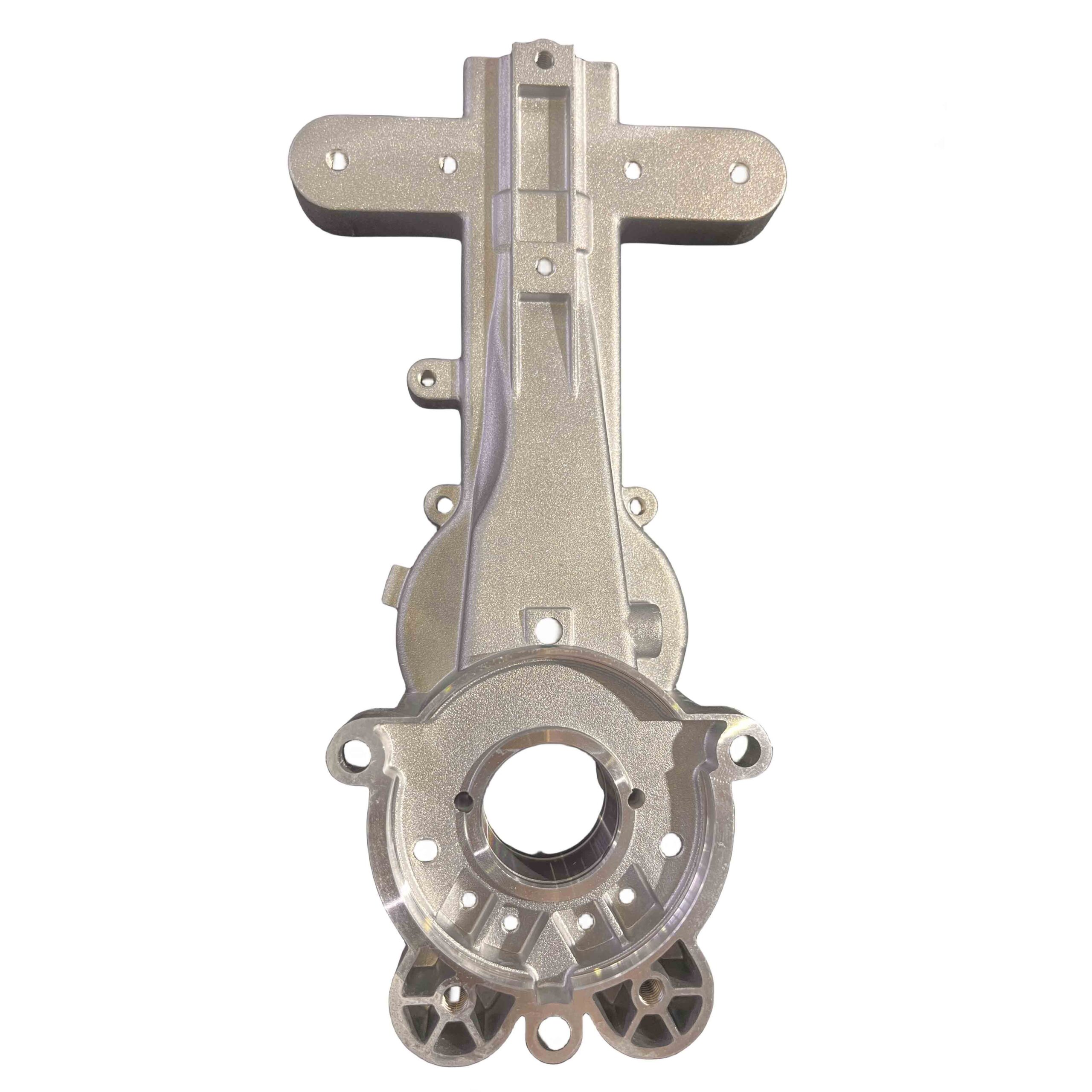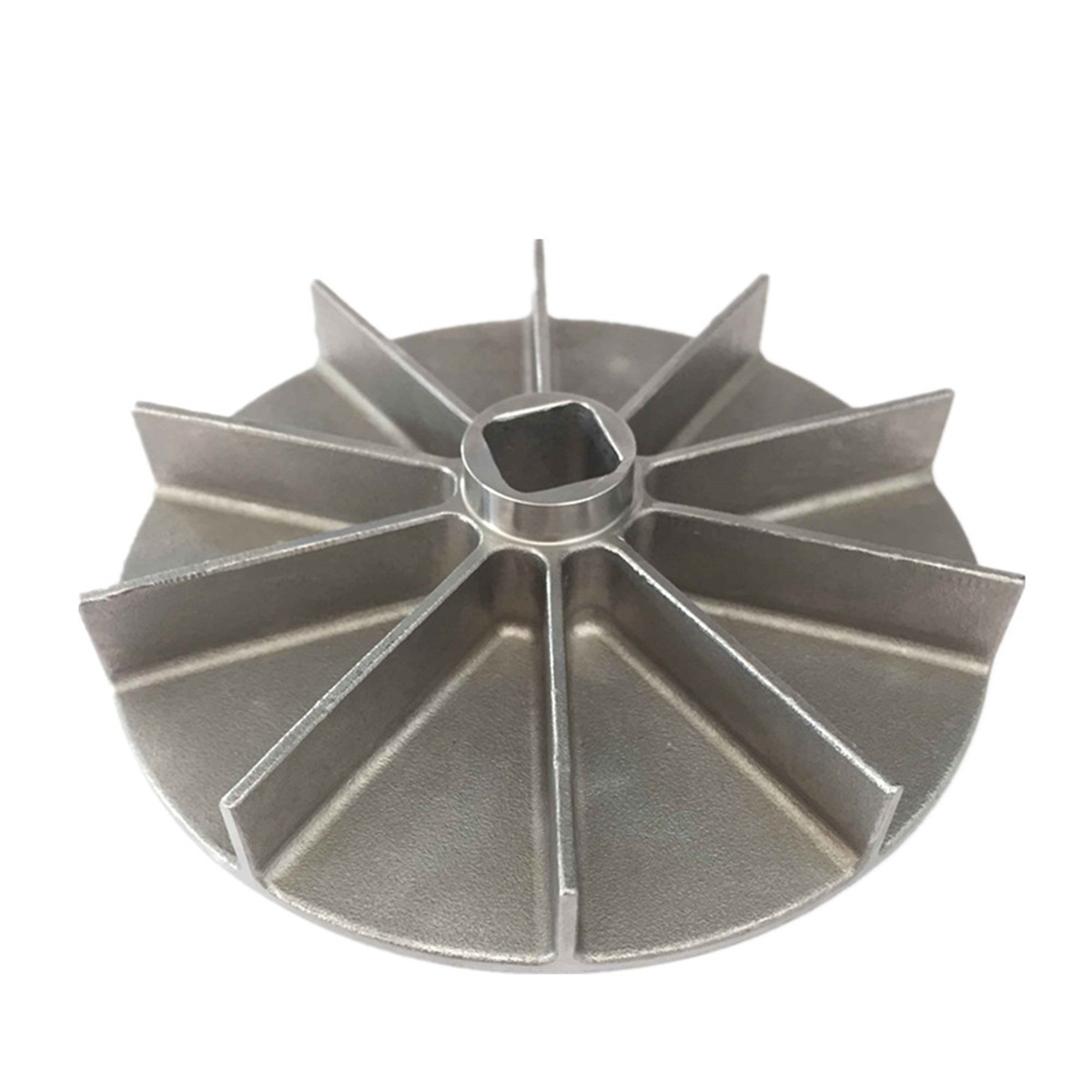
In manufacturing, material selection is closely linked to how a component will perform in service. Factors such as strength, wear resistance, vibration control, and production cost all influence which cast iron type is chosen.
Gray Cast Iron
If your component requires excellent vibration damping and easy machining, gray cast iron is often the preferred choice.
You’ll commonly find it in products such as:
Engine blocks
Machine tool bases
Pump housings
Valve bodies
Gearbox housings
These components benefit from gray cast iron’s ability to absorb vibration while maintaining dimensional stability during operation.
Ductile Cast Iron
When higher strength and better toughness are required, ductile cast iron is widely used.
Typical applications include:
Pipe fittings
Hydraulic components
Agricultural machinery
Automotive suspension parts
Construction equipment components
These products often operate under higher loads, making improved mechanical properties an important advantage.
White Cast Iron
White cast iron is commonly selected for components that are exposed to continuous abrasion.
Typical examples include:
Crusher liners
Grinding mill liners
Wear plates
Slurry pump components
Mining wear parts
In these applications, extending wear life is often more important than improving machinability.
Malleable Cast Iron
Malleable cast iron is frequently used where moderate strength and good ductility are both required.
Common applications include:
Pipe connectors
Hand tools
Agricultural fittings
Brackets
Mechanical hardware
Its balanced mechanical properties make it suitable for components subjected to repeated loading and light impact.
Compacted Graphite Iron (CGI)
As manufacturing technology continues to evolve, Compacted Graphite Iron is becoming increasingly popular for high-performance applications.
You’ll often see CGI used in:
Heavy-duty diesel engine blocks
Cylinder heads
Exhaust manifolds
High-performance automotive components
Its combination of strength, thermal conductivity, and stiffness makes it an excellent choice for components operating under demanding conditions.
No matter which cast iron type you use, the application should always determine the material—not the other way around. A material that performs exceptionally well in one product may not be the right solution for another. Matching the material to the component’s operating requirements is one of the most effective ways to achieve reliable performance, longer service life, and cost-effective manufacturing.