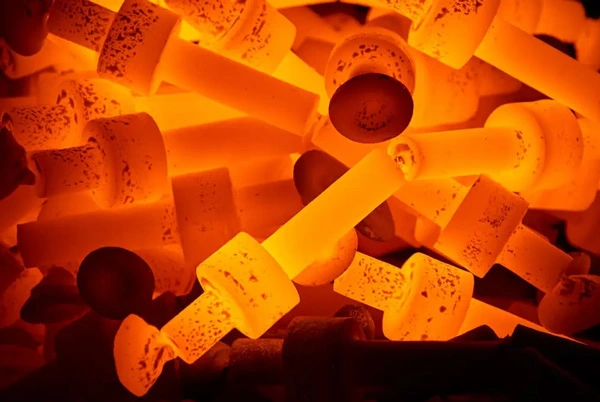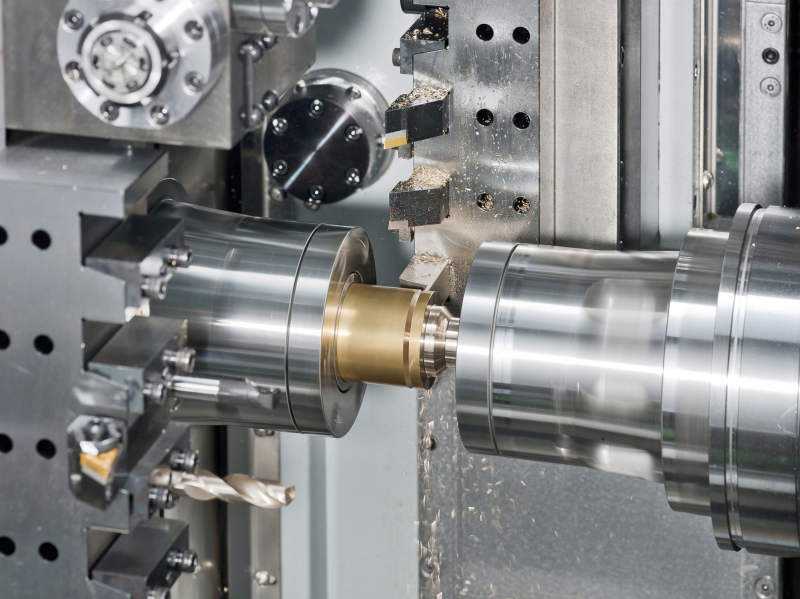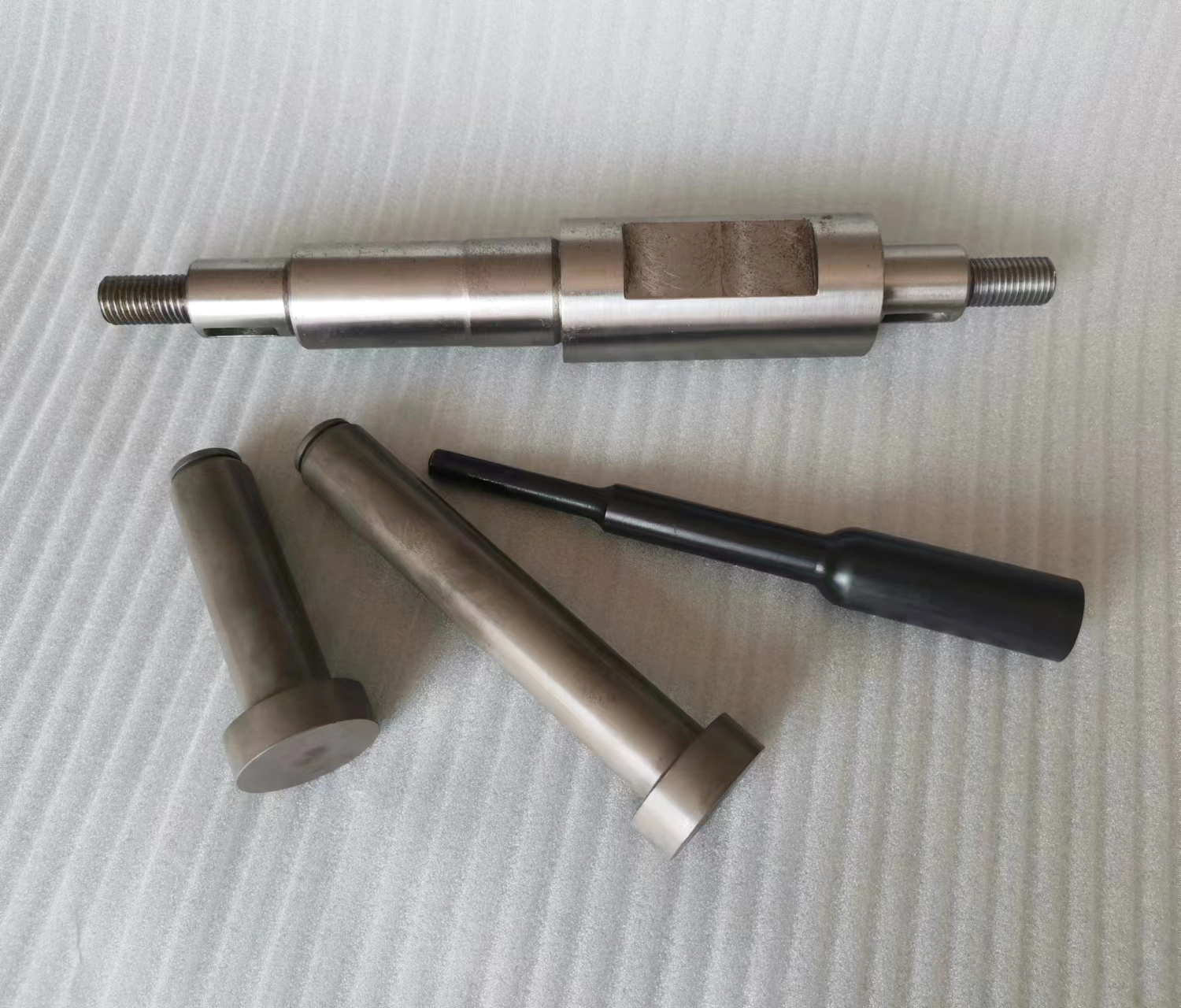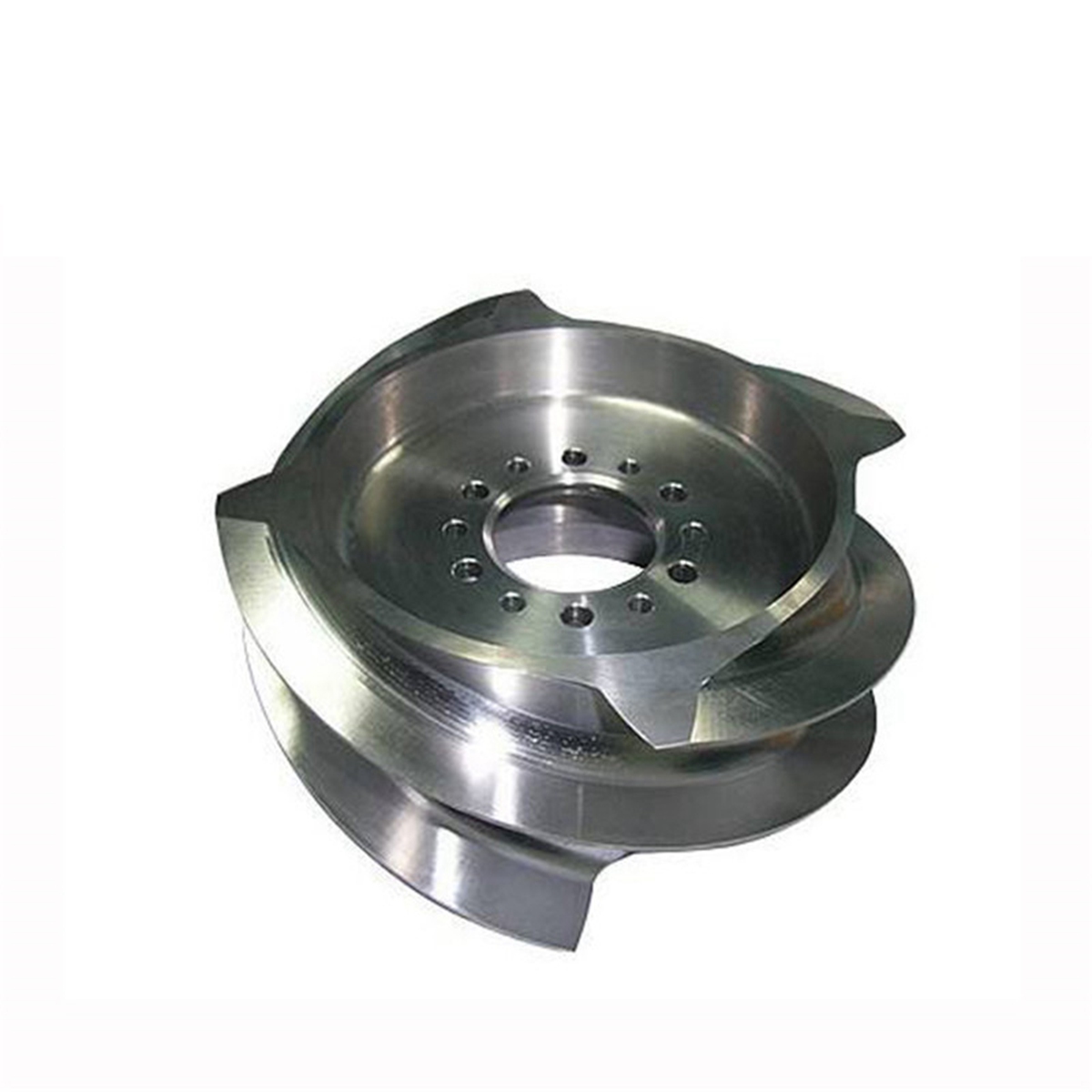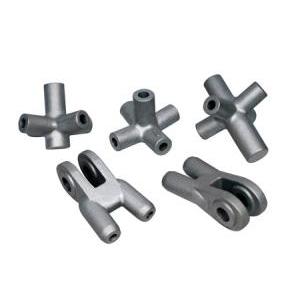
Based on how the force is applied and how the metal flows, forging methods can be of different types. Each method has its own pros, cons, and purpose. The choice depends upon the size, complexity, and precision needed for the part. Let’s have a look at some of the most common types:
- Open-Die Forging
In open-die forging, the steel is placed between dies. These dies don’t enclose it completely. Now, the metal is pressed or hammered, and it takes the desired shape. So, if you are planning to make large components like shafts, rings, and bars, open-die forging is best. It offers excellent strength due to the perfect alignment of the internal grains.
- Closed-Die Forging (Impression Die Forging)
In this method, the steel is placed in a die of specific shape. After that, pressure is applied. Due to pressure, the metals fill up the whole die cavity. This method is perfect for producing precise, repeatable shapes like connecting rods, gears, and wrenches. Moreover, it offers tight tolerances and minimal waste.
- Press Forging
In press forging, you don’t need to apply pressure with hammers; this method uses continuous pressure from a hydraulic or mechanical press. This press shapes the metal deeply and evenly. This method is ideal for applications where consistent quality and detailed shapes are required.
- Upset Forging
To increase the diameter of some portion of the metal, it is pressed by its length, which is called upset forging. It is common for bolts, screws, and other fasteners.
Although each method has its own benefits, one thing that is common in all is the purpose. All the methods aim to create parts that are strong, reliable, and ready for heavy-duty use.