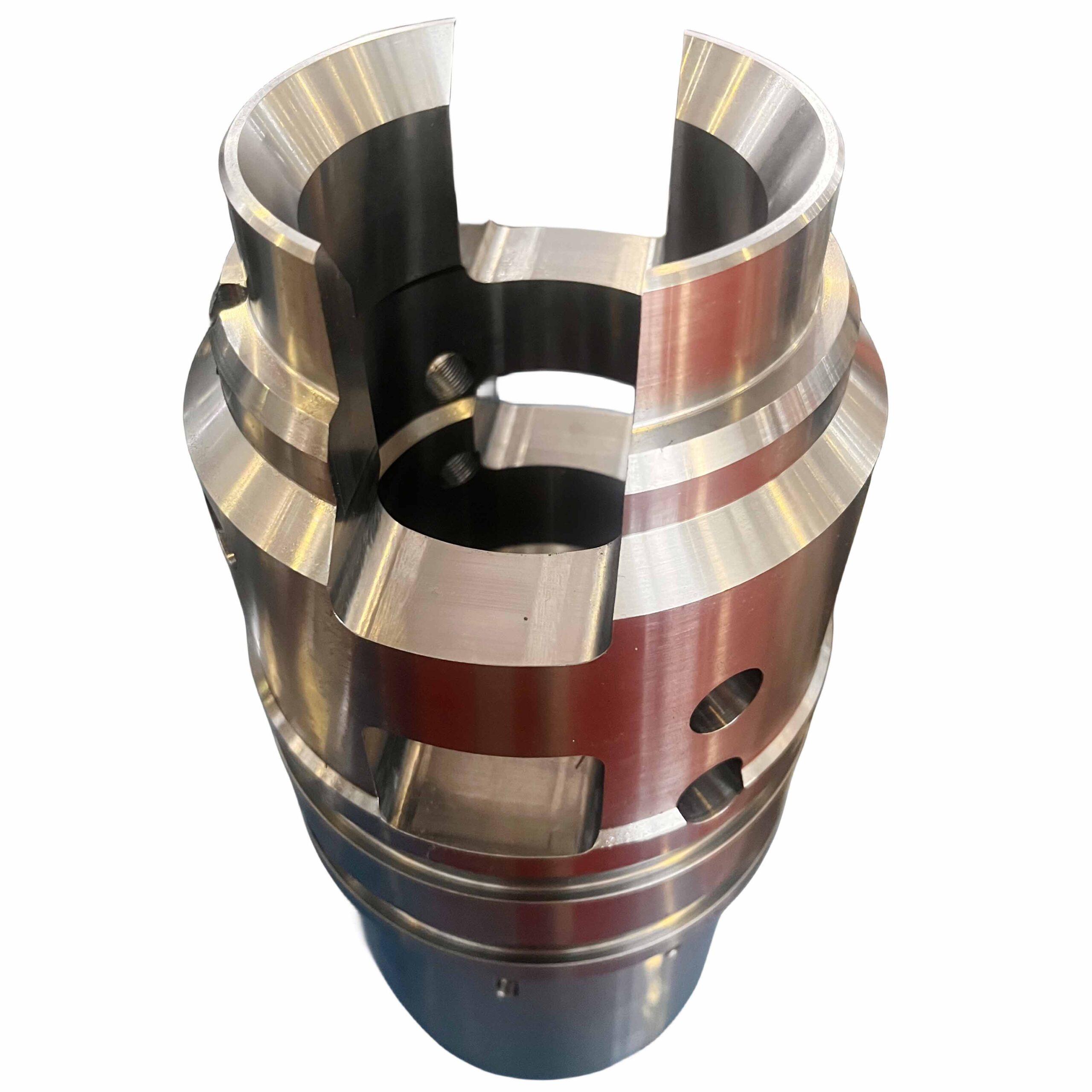
Expendable casting comes in various forms that are used in different industries. The types possess their own strengths.
Sand Casting
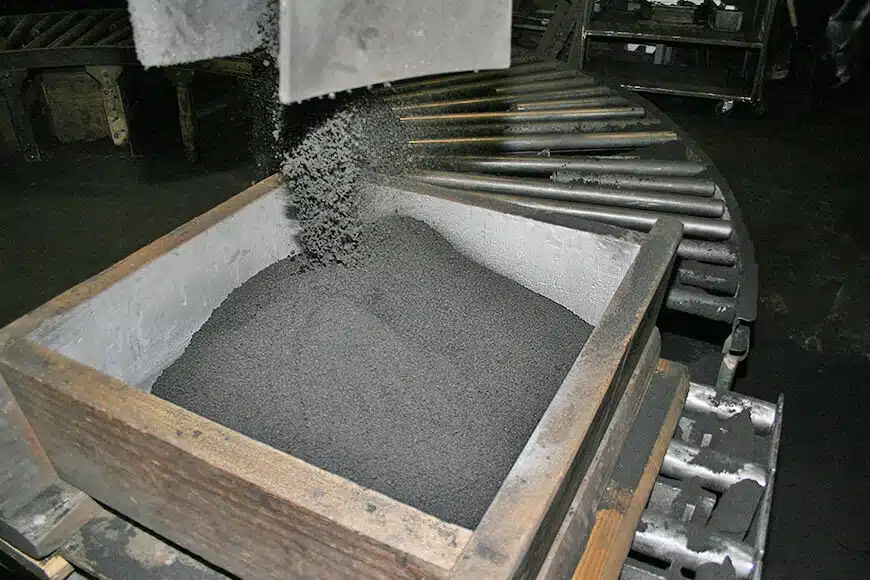
The most ordinary and the oldest casting technique is sand casting. It is a disposable type of casting in which the mold is made by using prepared sand.
How it Works: You fit a pattern into a box known as a “flask” and fill it with sand.
Key Features: It is very inexpensive and capable of handling parts of several tones.
Applications: Engine block, pumps housing, and farm equipment.
Investment Casting
It is the high-definition form of casting. Investment casting is an expendable casting procedure that utilizes a pattern made of ceramic and covered with wax so as to form an intricate mold.
Process: It is done by coating ceramic slurry with a wax pattern. After the ceramic is hardened, then you melt away the wax.
Advantages: It has a very good surface finish and dimensional accuracy.
Industries: Aerospace (turbine blades), medical (implants), and jewelry.
Lost Foam Casting
It is the most magical of the modern ways. Lost foam casting is a consumable process of casting in which a foam pattern is used, which evaporates as molten metal is poured into the mold.
How it Works: It involves the use of a polystyrene foam pattern. When the metal collides with the foam, the latter evaporates and becomes gas.
Benefits: It avoids using cores to make holes and this saves a lot of the assembly processes.
Common Uses: Cylinder heads and complicated structural car components.

Shell Molding
This can be considered as precision sand casting. Shell molding is an expendable type of casting in which you make a thin, strong shell of a mold by using resin-treated sand.
Process: In this you apply resin-coated sand using a pattern of molten metal to bake the shell, which is thin.
Benefits: It provides an improved dimensional control and a smooth finish compared to the traditional sand casting. It is popular with medium-sized precision gears.