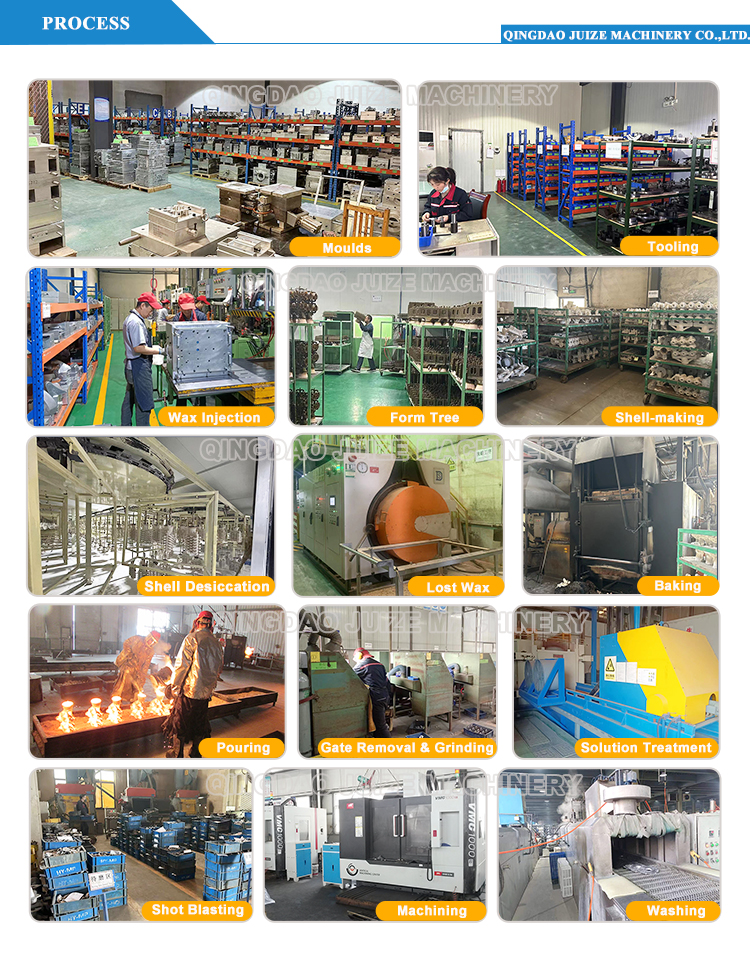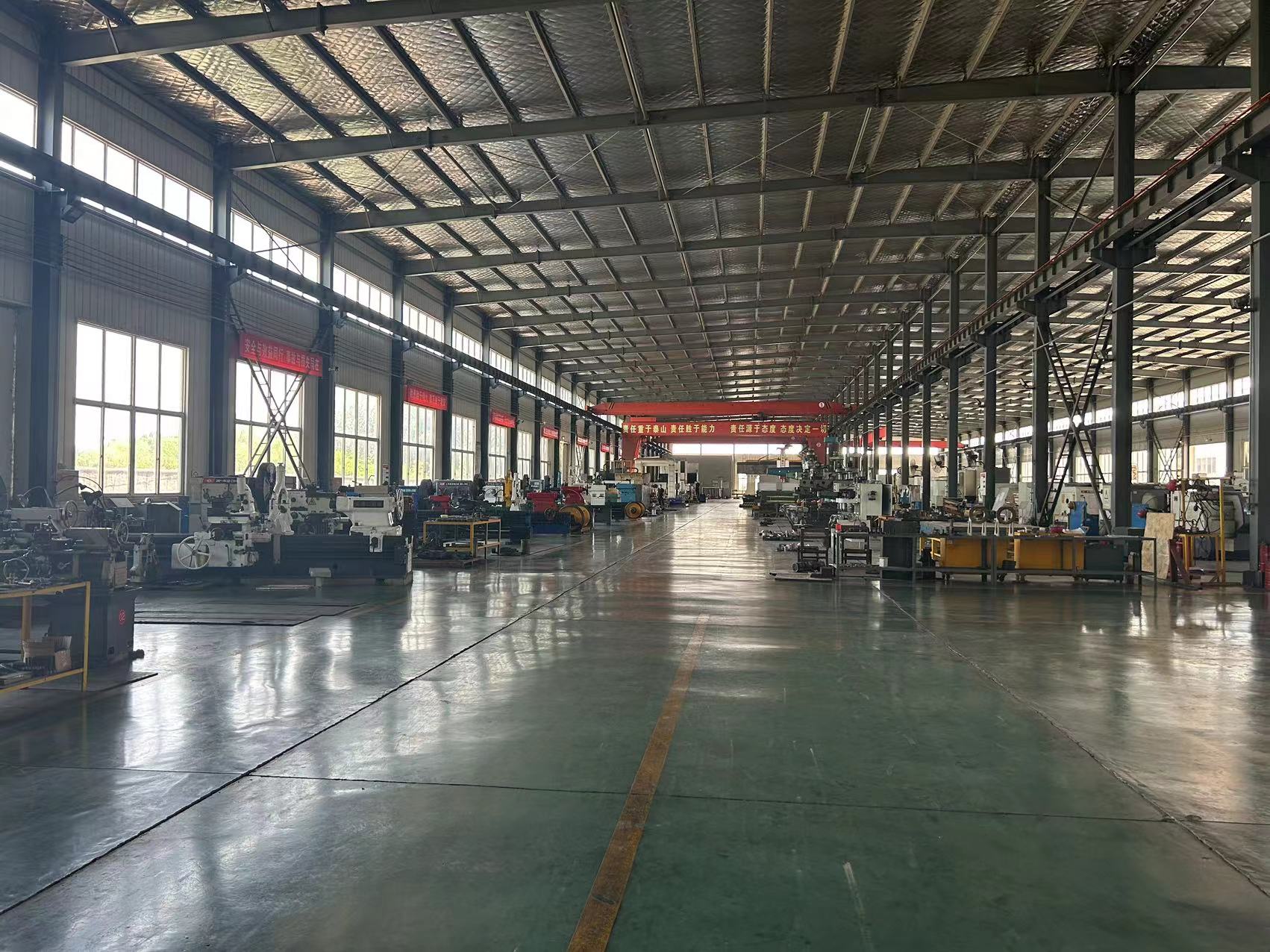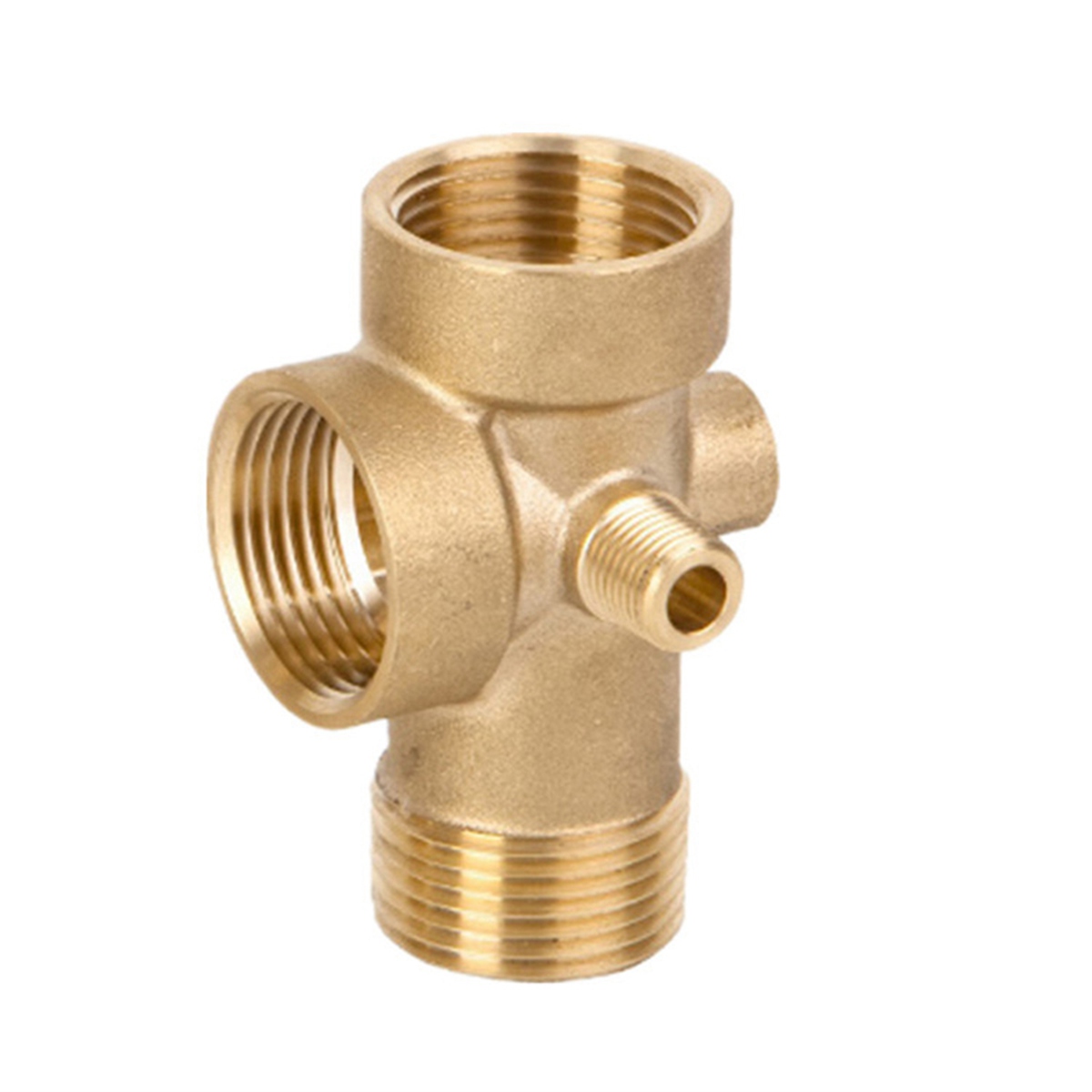
In the journey from concept to finished component, a fundamental principle separates successful projects from those plagued by delays, cost overruns, and quality issues: designing for manufacturability (DFM). This discipline—the practice of designing products with manufacturing processes in mind—is not merely a technical consideration; it is a strategic approach that shapes every aspect of a component’s lifecycle. At Juize Machinery, DFM is embedded in our engineering culture. As a Gold Verified Supplier on Alibaba with comprehensive multi-process capabilities, we collaborate with clients to ensure designs are optimized not just for function, but for efficient, reliable, and cost-effective production.
What Is Design for Manufacturability?
DFM is the practice of designing products to facilitate easy, efficient, and high-quality manufacturing. It considers manufacturing constraints early in the design process—before tooling is built, before processes are selected, before production begins. The goal is not to compromise function, but to achieve function in the most manufacturable way possible.
The principles of DFM apply across all manufacturing processes. Whether a component will be cast, forged, machined, stamped, or fabricated, thoughtful design can dramatically simplify production, reduce costs, and improve quality.
Why DFM Matters
The impact of design decisions multiplies as projects advance. A change made during conceptual design costs pennies. The same change made after tooling fabrication can cost thousands. A design flaw discovered in production may require scrapping finished parts, delaying schedules, and damaging relationships.
DFM addresses this reality by bringing manufacturing expertise to the design phase, when changes are still inexpensive and easy to implement.
The Core Principles of DFM
- Simplify Geometry
Complexity drives cost. Every feature, every surface, every detail adds manufacturing time and increases the potential for error. DFM asks: Is this feature truly necessary? Can it be simplified without compromising function?
For castings, this means evaluating draft angles, parting lines, and core requirements. For machined components, it means assessing feature accessibility and tooling requirements. For fabricated assemblies, it means minimizing weld lengths and joint complexity.
- Standardize Features
Common features use common tools, common processes, and common knowledge. Standard hole sizes reduce tooling inventory. Standard thread forms eliminate special taps. Standard radii allow common cutting tools. Every standardization opportunity reduces complexity and cost. - Design for Process Capability
Every manufacturing process has inherent capabilities and limitations. Understanding these boundaries enables designs that fit comfortably within process capabilities rather than pushing their limits.
A casting designed with generous radii and uniform sections will fill reliably. A machined component designed with accessible features will be easier to fixture and measure. A stamped part designed within material forming limits will produce consistently.
- Minimize Setups
Each time a part is handled, repositioned, or transferred between machines, variation enters the process. Designs that enable complete machining in fewer setups reduce cost and improve accuracy.
Multi-axis machining enables complex parts in single setups. Cast-in features can eliminate secondary operations. Integrated assemblies reduce handling across multiple workstations.
- Design for Assembly
Components rarely function alone. They become part of assemblies. DFM considers how parts will be joined—whether by welding, fastening, adhesive bonding, or press-fitting.
Features that facilitate alignment, provide access for tools, and accommodate assembly tolerances reduce assembly time and improve final product quality.
DFM Across Manufacturing Processes
DFM for Casting
Castings offer unique design freedom but demand respect for process physics:
Draft Angles: Surfaces perpendicular to the parting line require taper (draft) for pattern removal. Generous draft (3-5 degrees for sand casting, 1-2 degrees for die casting) ensures reliable mold release.
Uniform Wall Sections: Abrupt section changes create differential cooling rates, causing shrinkage defects and internal stresses. Gradual transitions and uniform thickness promote sound castings.
Radii and Fillets: Sharp internal corners concentrate stress and impede metal flow. Generous radii improve castability and component strength.
Coring Considerations: Internal features require cores—sand shapes placed within molds. Core design affects cost and complexity. Eliminating unnecessary cores reduces tooling and processing costs.
Parting Line Placement: The interface between mold halves affects appearance, dimensional accuracy, and feature feasibility. Strategic parting line placement optimizes all three.
DFM for Machining
Machining removes material to achieve precision. DFM for machined components focuses on:
Feature Accessibility: Can cutting tools reach all required surfaces? Deep, narrow cavities may require specialized tooling or impossible access.
Hole Design: Through holes are easier than blind holes. Standard diameters reduce tooling inventory. Hole depths should not exceed reasonable length-to-diameter ratios.
Thread Considerations: Thread depth beyond 1.5 times diameter adds little strength but significant machining time. Rolled threads, where applicable, are stronger and faster than cut threads.
Tolerance Optimization: Specify tight tolerances only where functionally necessary. Relaxing unnecessary precision reduces cost dramatically.
Workpiece Stability: Thin sections may deflect under cutting forces. Designs that provide rigidity during machining improve accuracy.
DFM for Stamping and Sheet Metal
Sheet metal processes demand specific design considerations:
Bend Radii: Minimum bend radii depend on material thickness and properties. Radii too small cause cracking; radii too large waste material.
Hole Placement: Holes near bends distort during forming. Locating holes away from bend lines maintains accuracy.
Material Utilization: Nesting parts efficiently on sheet stock reduces material cost. Rectangular parts utilize material better than irregular shapes.
Burr Direction: Stamping creates burrs on one side. Designating burr orientation improves handling safety and assembly fit.
DFM for Forging
Forging transforms metal through compressive force. Design considerations include:
Draft Angles: Like casting, forging requires draft for die release. Typical drafts range from 3-7 degrees.
Radii and Fillets: Sharp corners impede metal flow and create stress concentrations. Generous radii improve forgeability.
Parting Line Placement: Strategic parting line location balances material flow, flash formation, and die life.
Grain Flow Alignment: Forging aligns grain structure with component contours. Designing parts to leverage this grain flow maximizes strength.
DFM for Fabrication and Welding
Fabricated assemblies introduce distinct design considerations:
Joint Accessibility: Can welding equipment reach all joints? Is there adequate clearance for welding torches and inspection tools?
Distortion Control: Asymmetric welds cause warpage. Balanced joint placement and welding sequence minimize distortion.
Material Compatibility: Dissimilar metals may require specialized processes or filler materials.
Fit-Up Tolerances: Proper joint fit-up ensures complete penetration and consistent quality. Design should accommodate realistic fabrication tolerances.
DFM for Powder Metallurgy
Powder metallurgy offers unique capabilities with specific design rules:
Wall Thickness: Uniform sections promote consistent density and sintering.
Undercuts: Side-action features are possible but increase tooling complexity and cost.
Threads: Powder metallurgy produces threads in the as-pressed state, eliminating secondary operations.
Density Control: Variable density across the part is possible, enabling functional gradients.
The DFM Process at Juize Machinery
Our DFM engagement follows a structured approach:
- Design Review
Our engineering team reviews your design—whether concept sketch, CAD model, or production drawing. We evaluate:
Feature manufacturability
Tolerance achievability
Material-process compatibility
Potential cost drivers
Quality risk factors
- Collaborative Analysis
We share findings openly, explaining manufacturing considerations in accessible language. We propose alternatives where beneficial, explaining trade-offs clearly. - Optimization Recommendations
We suggest specific modifications that improve manufacturability while preserving function:
Simplifying complex features
Adding radii to sharp corners
Adjusting tolerances to realistic levels
Modifying geometry for process compatibility
Consolidating multiple parts into single components
- Iterative Refinement
We work through multiple design iterations, each improving manufacturability while confirming function. This collaborative process ensures final designs balance all requirements. - Prototype Validation
Before committing to production tooling, we often produce prototypes to validate design and process assumptions. Prototypes reveal unanticipated issues and build confidence in final designs.
The Economic Impact of DFM
The financial benefits of DFM compound across the product lifecycle:
Reduced Tooling Costs: Simplified designs require simpler, less expensive tooling.
Lower Per-Part Costs: Efficient designs process faster, with less waste and fewer operations.
Improved Quality: Manufacturable designs produce fewer defects, reducing scrap and rework.
Faster Time-to-Market: Streamlined designs require less development time and fewer iterations.
Redesign Avoidance: Getting design right before tooling eliminates costly post-tooling changes.
Case Study: DFM in Action
Consider a complex hydraulic manifold originally designed with:
Deep, small-diameter cross-drilled holes requiring specialized tooling
Sharp internal corners creating stress concentrations
Inaccessible features requiring multiple setups
Tight tolerances on non-critical dimensions
Through DFM collaboration, we:
Consolidated cross-drilled holes into cast-in passages, eliminating deep hole drilling
Added generous radii at all corners, improving both castability and fatigue life
Reconfigured features for single-setup machining
Relaxed non-critical tolerances to standard machining capabilities
Results:
Tooling cost reduced 25%
Machining time reduced 40%
Quality improved—fewer scrap parts
Lead time shortened by three weeks
The Limits of DFM
DFM is not about compromising function for manufacturability. It is about achieving function in the most manufacturable way. When functional requirements demand challenging features—tight tolerances, complex geometries, exotic materials—we rise to the challenge. Our multi-process capabilities and advanced equipment enable us to produce designs others cannot.
The goal is not to simplify every design to the lowest common denominator, but to ensure complexity is applied where it adds value, not where it adds unnecessary cost.