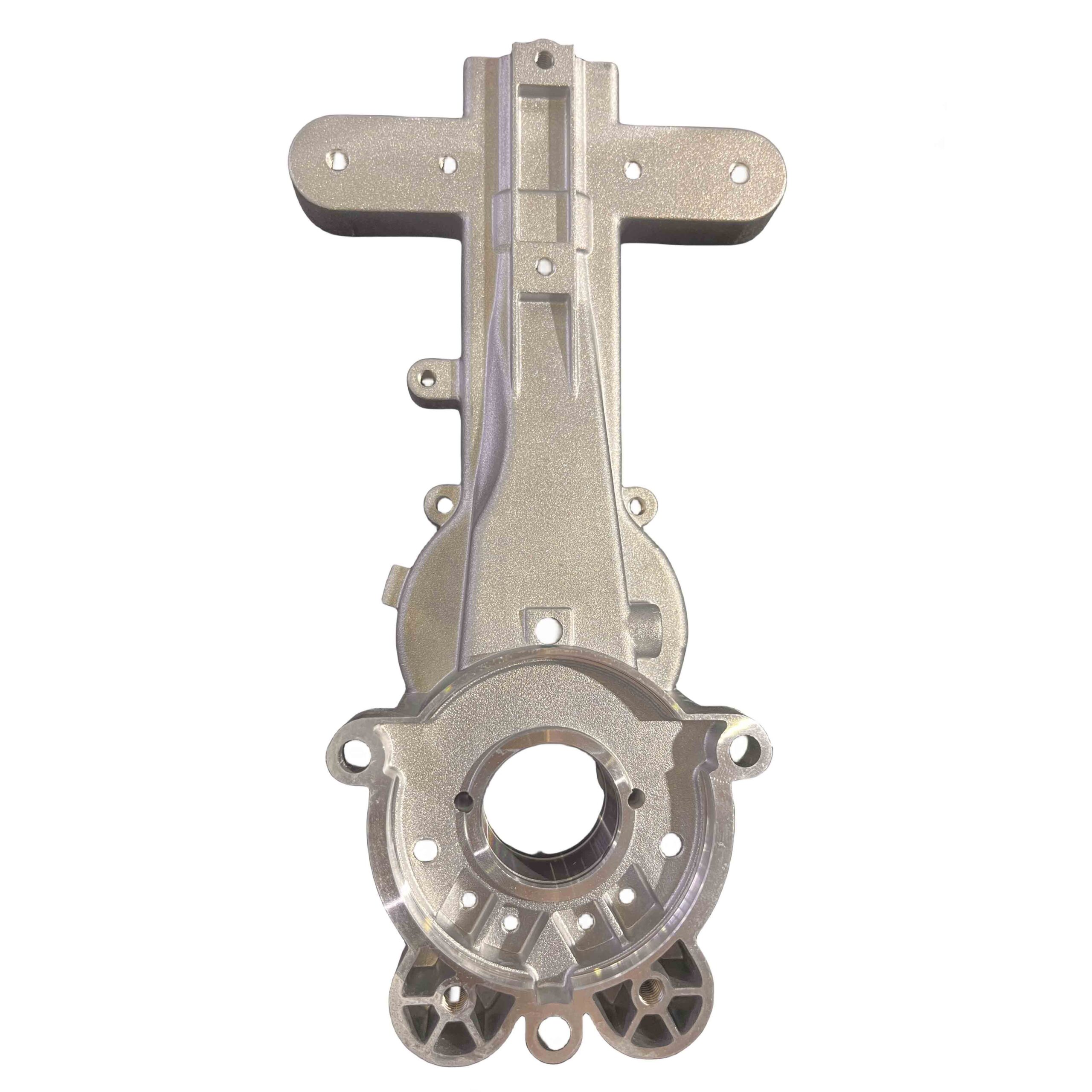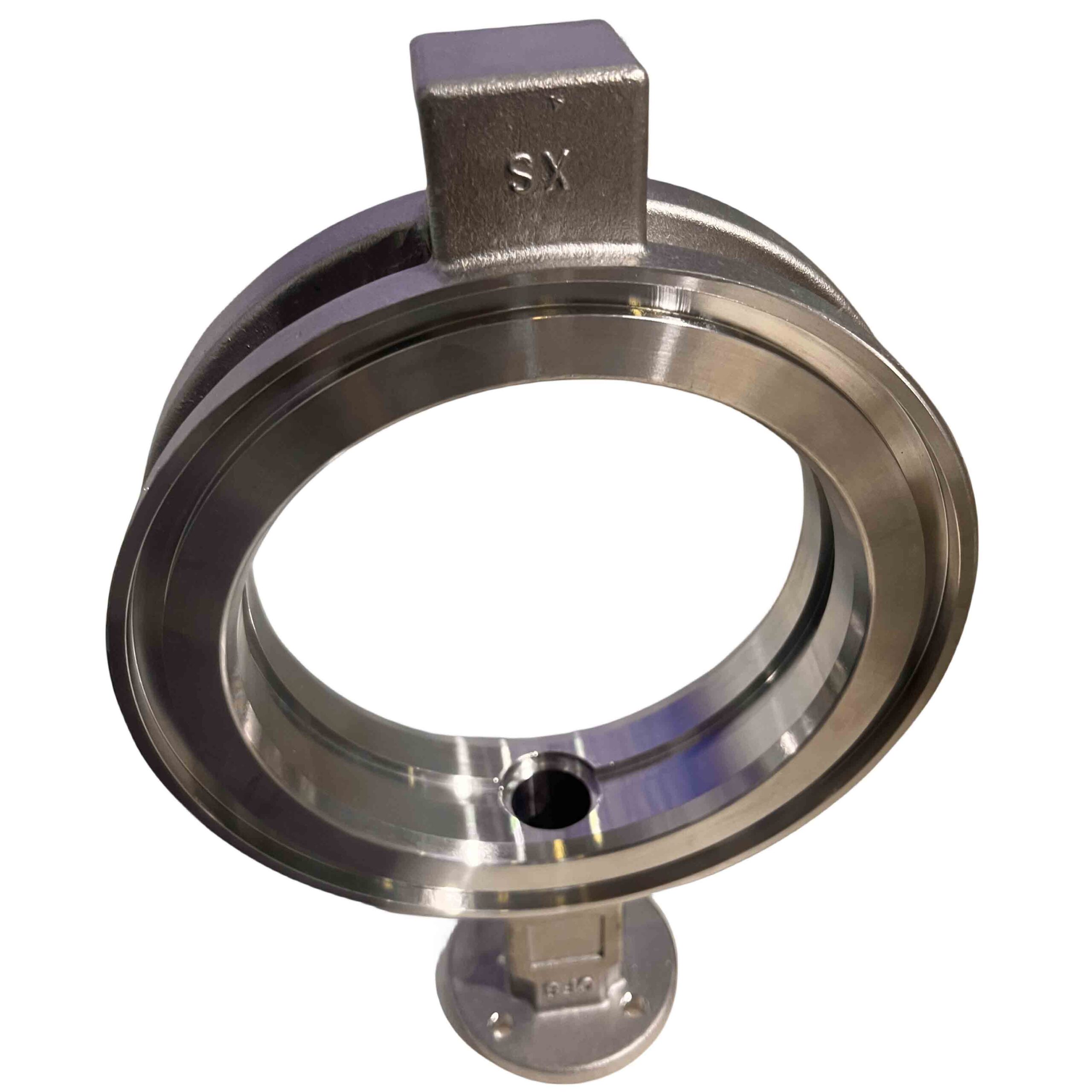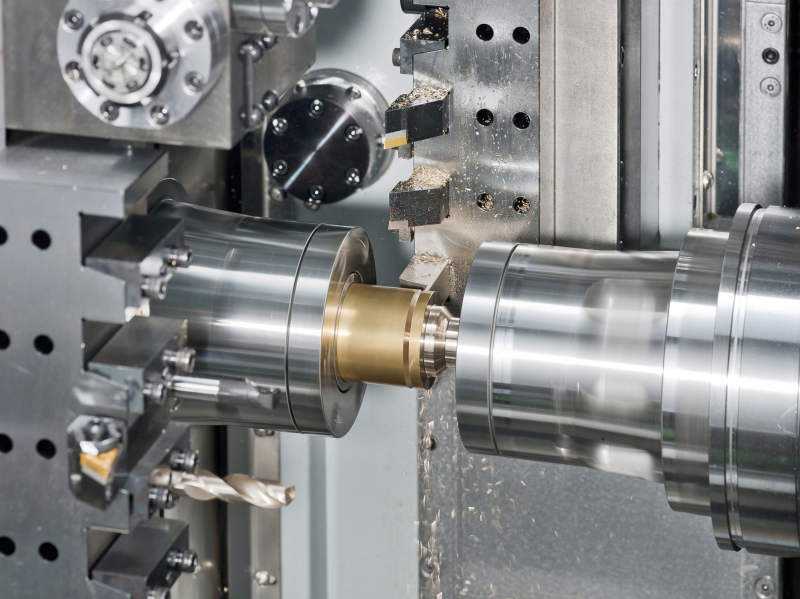
In precision manufacturing, attention to detail separates exceptional components from merely acceptable ones. Nowhere is this truer than in deburring and edge finishing—the often-overlooked processes that transform machined or cast parts into professional, ready-to-use components. At Juize Machinery, we treat edge finishing with the same rigor we apply to dimensional accuracy. As a Gold Verified Supplier on Alibaba, we understand that how a component feels and handles reflects directly on your quality standards.
What Are Burrs and Why Do They Matter?
Burrs are the raised edges or small projections that remain after machining, stamping, or cutting operations. They are an inevitable byproduct of metal removal. While tiny, their impact can be significant:
Assembly Interference: Burrs can prevent proper mating of components
Safety Hazards: Sharp edges risk injury to handling personnel
Sealing Failures: Burrs compromise gasket and seal surfaces
Coating Defects: Sharp edges receive inconsistent plating or painting
Stress Concentration: Burrs can initiate cracks under cyclic loading
Functional Issues: Moving parts may bind or wear prematurely
Our Edge Finishing Capabilities
We employ multiple deburring methods, selecting the appropriate technique for each component:
Manual Deburring
Skilled technicians use hand tools to remove burrs from complex geometries where automated methods cannot reach. This approach is essential for intricate castings, complex machined parts, and components with internal features.
Tumbling and Vibratory Finishing
Parts are placed in media-filled bowls or tubs that gently abrade surfaces. This method efficiently deburrs large quantities of smaller components while producing uniform surface finishes.
Thermal Deburring (TEM)
For internal passages and blind holes, thermal energy methods use controlled explosions to burn away burrs in milliseconds—reaching areas impossible to access mechanically.
Brush Deburring
Powered brushes with abrasive filaments remove burrs from edges and surfaces, ideal for stamped parts and components requiring consistent edge radii.
Edge Radiusing
Beyond burr removal, we often apply controlled edge radii—breaking sharp corners to specified dimensions. Radiusing improves:
Coating adhesion and coverage
Handling safety
Fatigue resistance
Assembly fit
Quality Verification
Edge finishing is subject to the same quality standards as any manufacturing operation. We verify:
Burr-free status through visual and tactile inspection
Edge radius conformance to specifications
Surface finish consistency
Absence of damage from deburring operations
Design Considerations for Edge Finishing
Optimal results begin with design. Features that facilitate effective deburring include:
Accessible edges that inspection can verify
Consistent edge conditions across the component
Realistic specifications for edge breaks
Consideration of deburring method during design
Our engineering team can advise on edge finishing during the design phase, ensuring manufacturability and quality.
The Finishing Difference
When you receive components from Juize Machinery, you will notice the attention to edge finishing. Edges will be clean, consistent, and appropriate for your application—whether that means a sharp corner for precise location, a broken edge for safety, or a specific radius for coating adhesion.
This attention to detail reflects our commitment to delivering components that are not merely within tolerance, but truly ready for assembly and service.