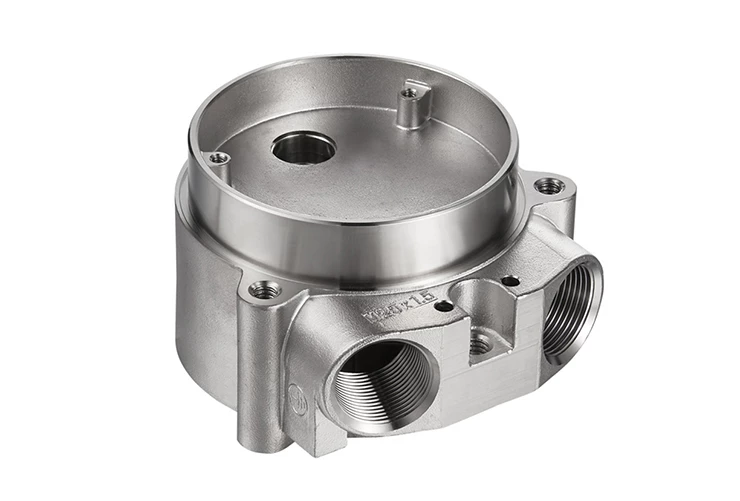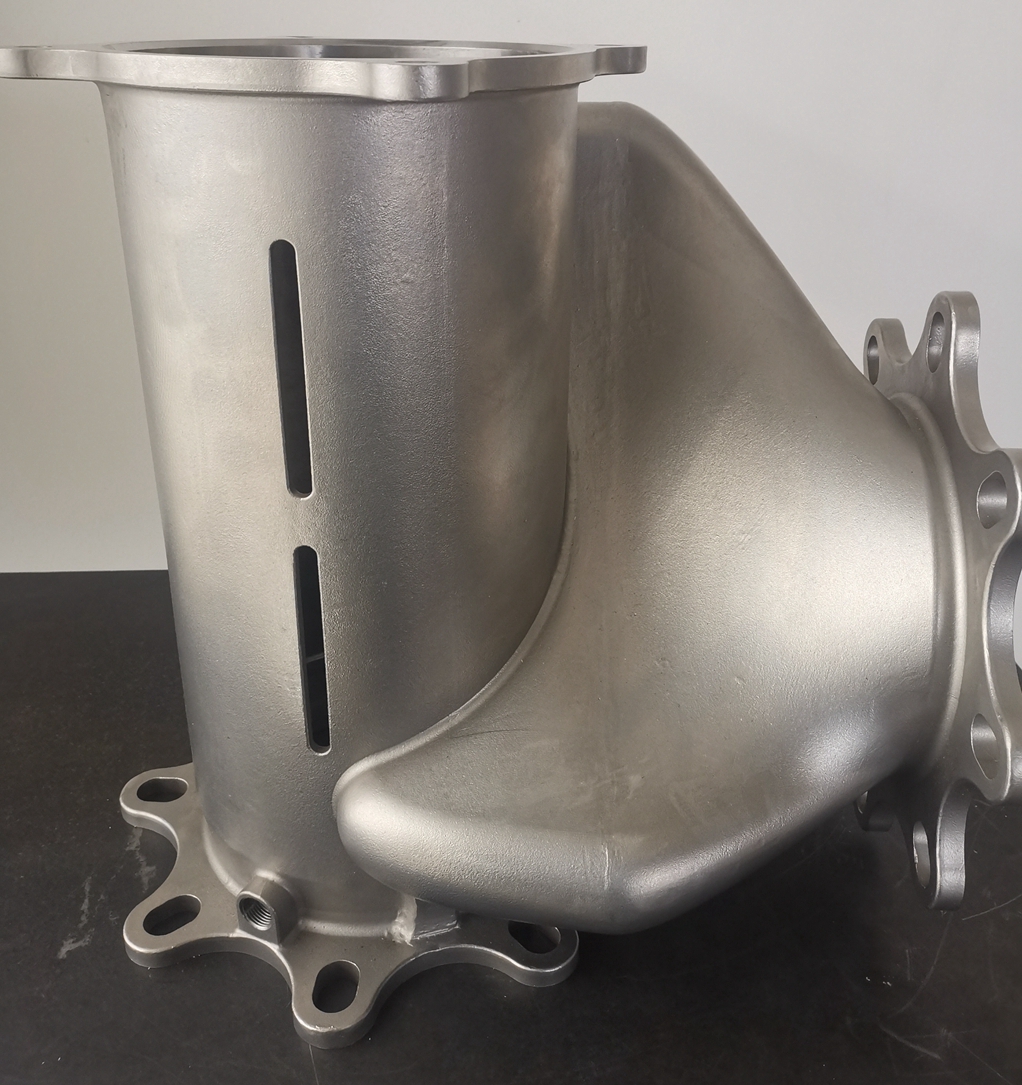
Machining stainless steel presents a formidable challenge due to its unyielding nature, resilience, and inclination to undergo work hardening. Nonetheless, a variety of Computer Numerical Control (CNC) technologies exhibit prowess in the art of stainless steel machining. The following elucidates some prevalent CNC manufacturing processes applied in the machining of stainless steel:
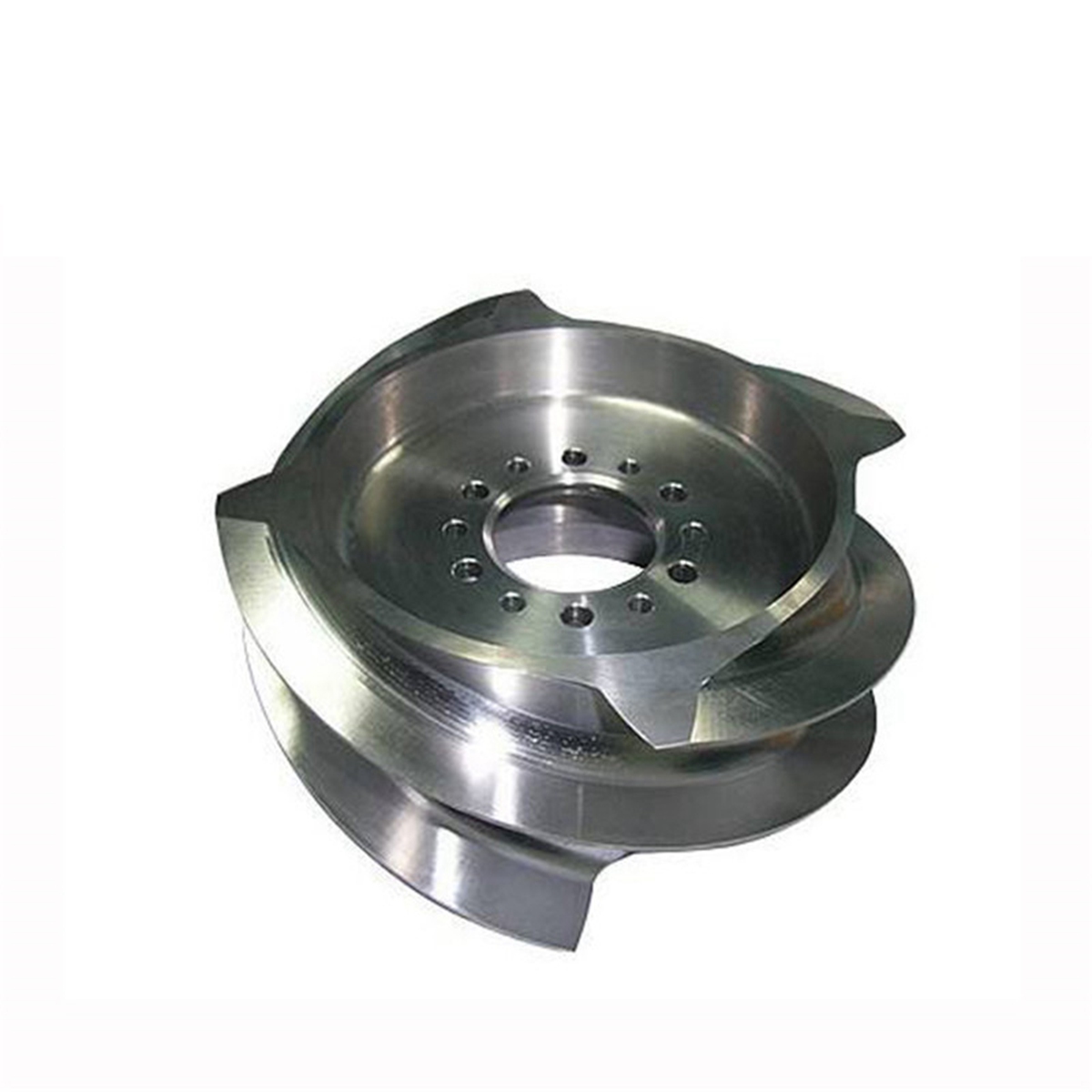
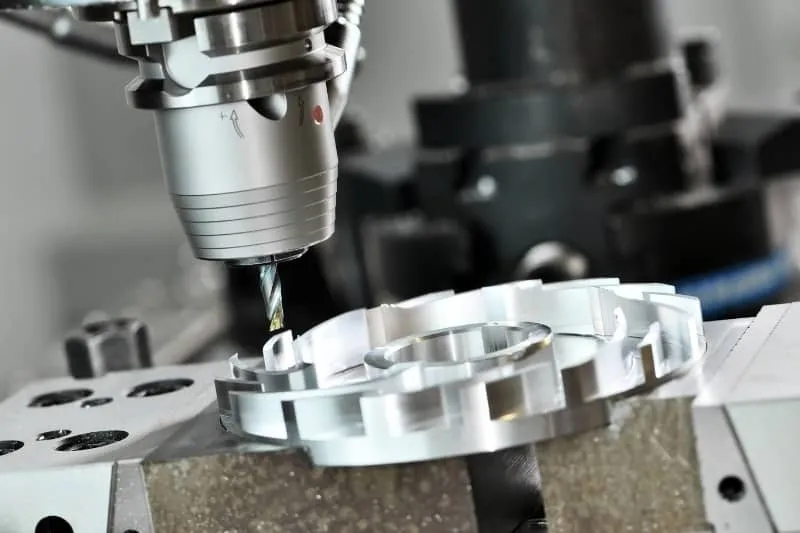
CNC Milling: By employing elevated spindle velocities and expeditious feed rates, efficient material removal is achieved. High-Speed Machining (HSM) proves effective for stainless steel when coupled with suitable cutting tools and cooling methodologies.
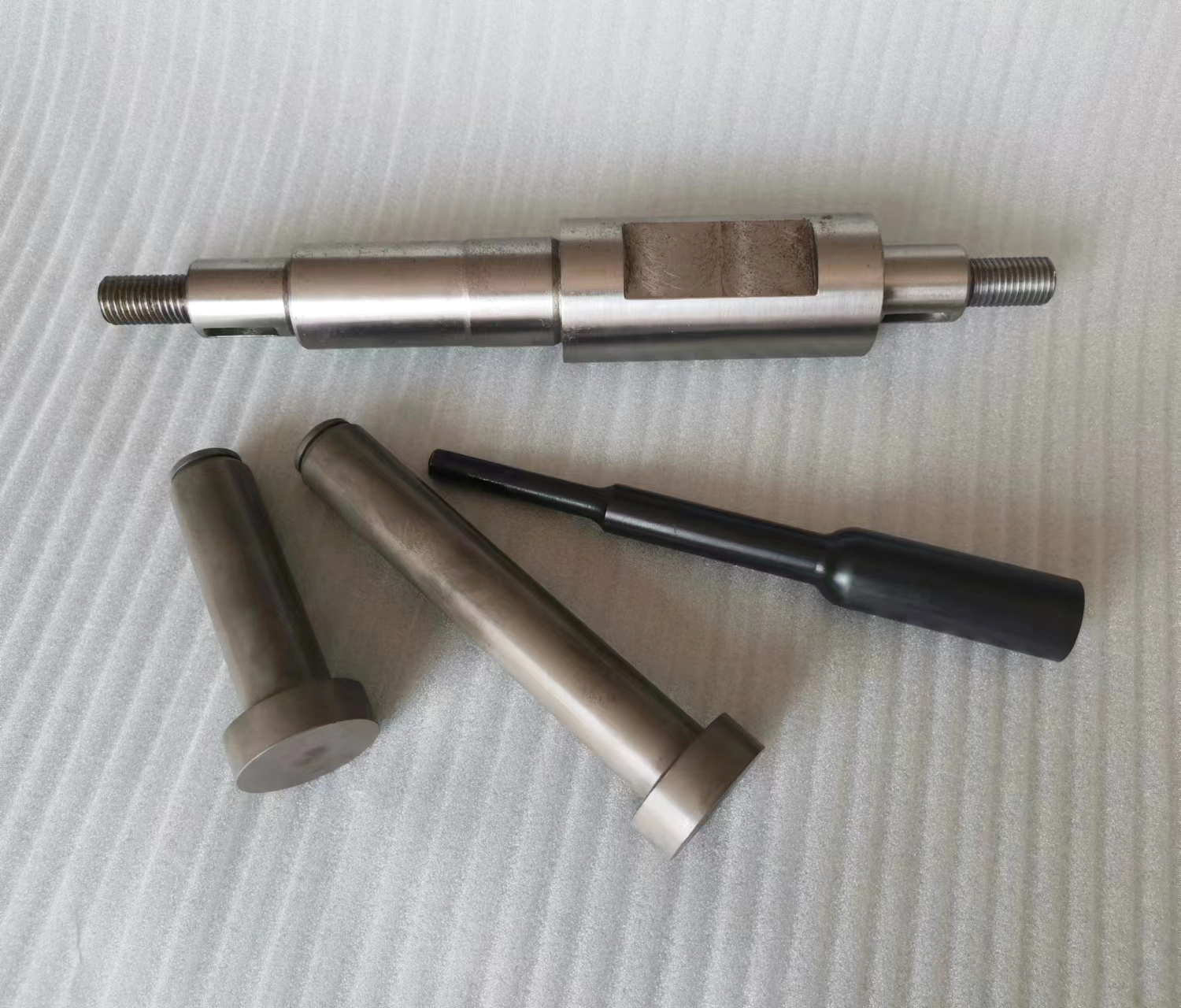
CNC Turning: Considered as one of the most common CNC machining processes, CNC turning is a process that’s used to make cylindrical parts that are off to extremely high levels of precision. This reduces the overall diameter of the workpiece to a specified measurement and dimension.
EDM (Electrical Discharge Machining): Well-suited for intricate and pinpoint cuts in stainless steel, it utilizes a slender, electrically charged wire to erode material, ensuring heightened precision.
Laser Cutting: Proficient in slicing through thin to thick stainless steel sheets with precision. Fiber lasers are renowned for their speed and accuracy.
CNC Sheet Metal Punching: Punching is a manufacturing procedure that’s done to bore holes and reform/reshape sheet metal or workpiece. Don’t confuse yourself in understanding CNC sheet metal punching because it’s just the same as regular or standard punching – it’s just the way how the processing took place.
CNC Sheet Metal Folding: Last in this list is metal folding. Sheet metal folding is typically a finishing or polishing procedure that is done by bending or folding sheet metal. These folds will be reduced to a few millimetres across the entire plain of workpiece.
Grinding: Imparts a refined surface finish and stringent tolerances to stainless steel surfaces. Frequently enlisted for terminal machining procedures.