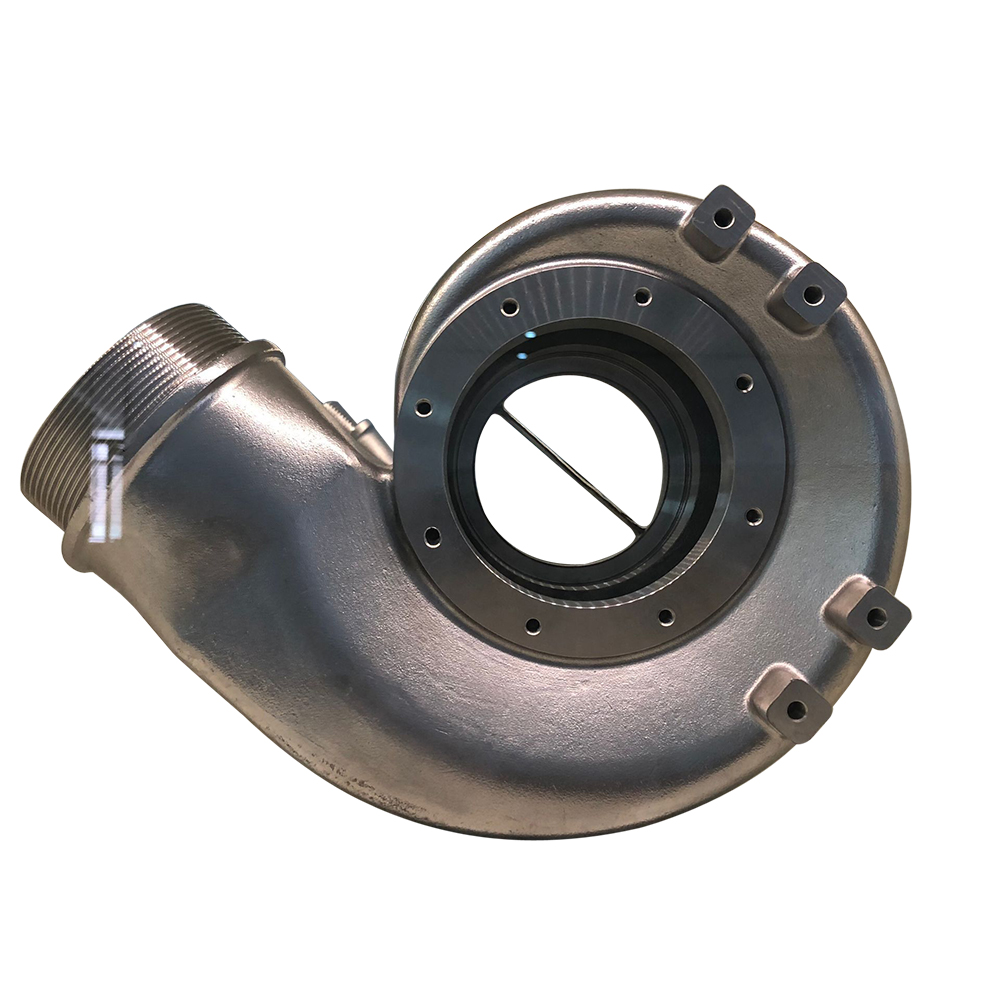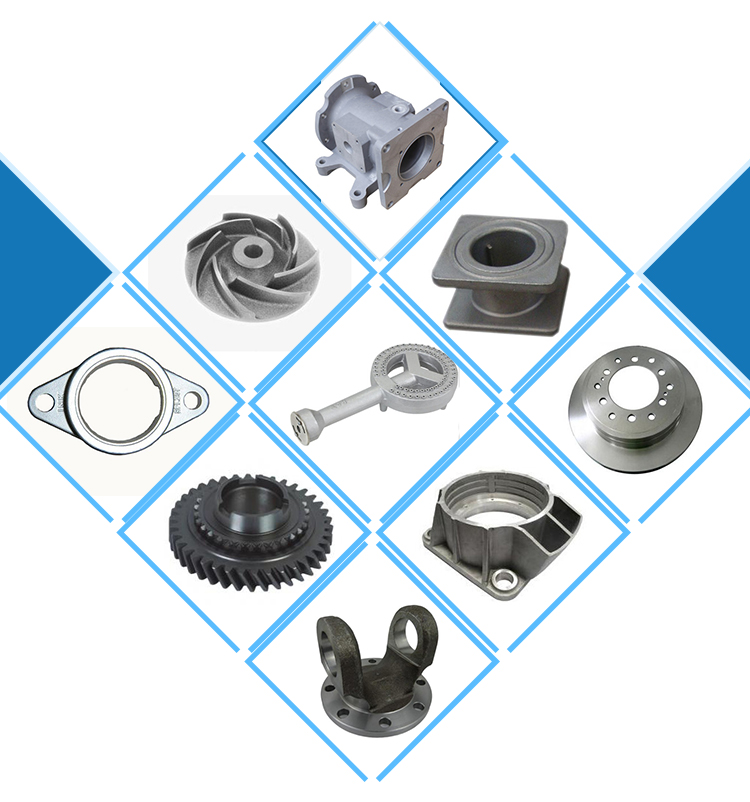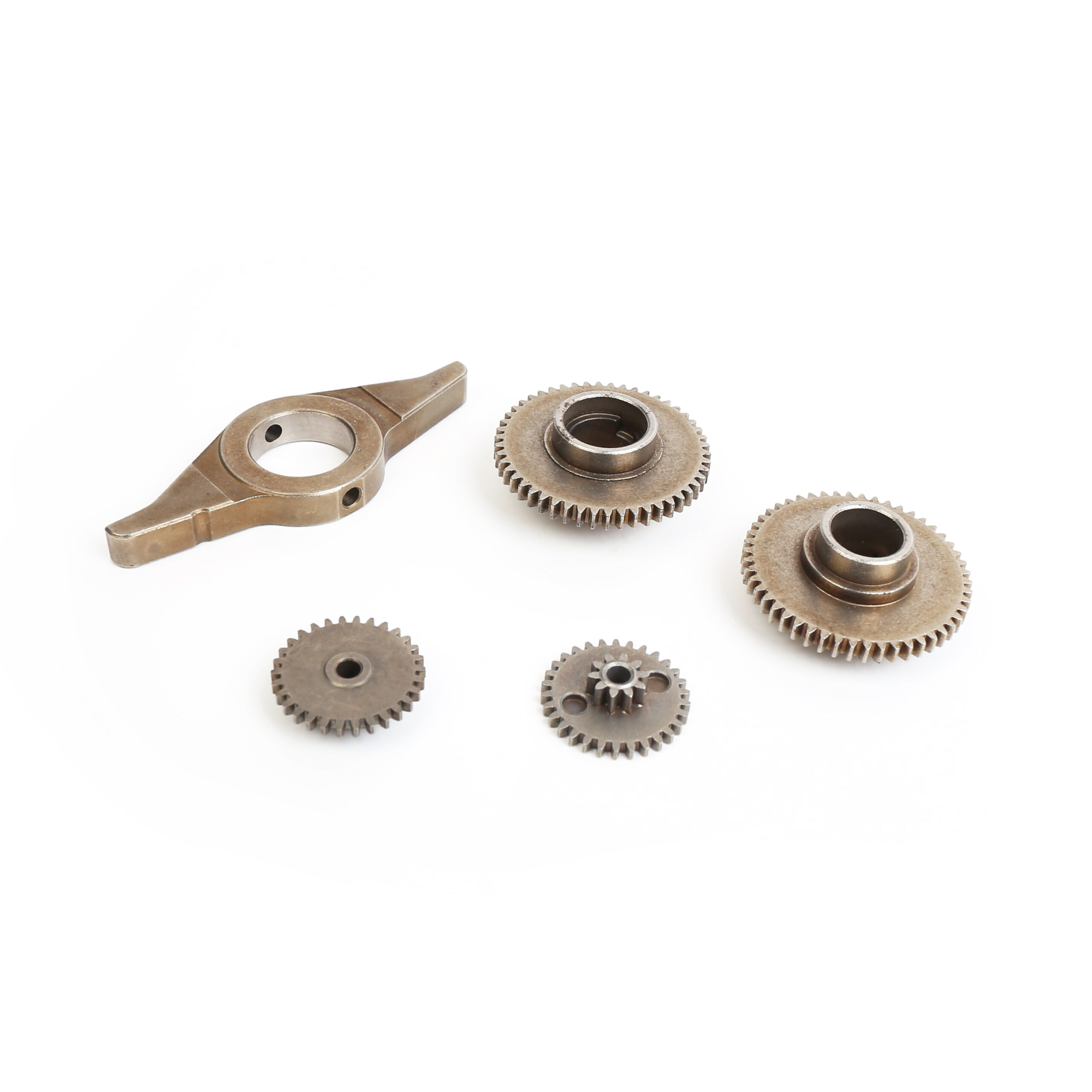
Powder Metallurgy (PM) is a highly efficient, near-net-shape manufacturing process used to produce complex, precise, and high-performance metal components. It involves the production of metal powders, their consolidation into a desired shape (compaction), and heating (sintering) to create a solid, cohesive part. The core process is often summarized as Blend – Press – Sinter, but encompasses many more sophisticated techniques. Here is a detailed breakdown.
1. Powder Production
The process begins with the creation of fine, metallic powders. Key methods include:
Atomization: The most common method for metals like iron, steel, aluminum, copper, and alloys. Molten metal is disintegrated by a high-pressure stream of gas (Gas Atomization) or water (Water Atomization), forming fine droplets that solidify into powder particles. Gas atomization yields more spherical, high-quality powders for demanding applications.
Reduction: Metal oxides (e.g., iron oxide) are reduced using gases like hydrogen or carbon monoxide to produce spongy, irregularly shaped powder (e.g., sponge iron powder).
Electrolytic Deposition: An electrochemical process used for highly pure, dendritic powders of metals like copper and iron.
Mechanical Comminution: Crushing, milling, or grinding of brittle metals or alloys into particles.
Chemical Reactions: Various processes like carbonyl decomposition (for iron or nickel powders).
The powder characteristics—size, shape, size distribution, and chemistry—are meticulously controlled as they dictate the final part’s properties.
2. Powder Blending and Mixing
Powders from different batches or of different materials (e.g., base iron powder, alloying elements like graphite, nickel, copper, and lubricants like zinc stearate) are thoroughly mixed in blenders. This ensures:
Homogeneous composition.
Uniform distribution of alloying elements and lubricants.
Improved flowability for the next stage.
3. Compaction (Forming)
The blended powder is loaded into a precision die and pressed uniaxially at high pressures (typically 100-1000 MPa). This “green compact” gains enough mechanical strength for handling but is still porous.
Conventional Pressing: Uses rigid dies in mechanical or hydraulic presses. It’s fast and economical for relatively simple shapes.
Isostatic Pressing:
Cold Isostatic Pressing (CIP): Powder is enclosed in a flexible mold and subjected to equal pressure from all sides via a liquid medium. Used for complex shapes and more uniform density.
Hot Isostatic Pressing (HIP): Combines high temperature and isostatic gas pressure to consolidate powder in a single step, achieving near-full density. Crucial for aerospace and medical implants.
Metal Injection Molding (MIM): Ultra-fine powder is mixed with a thermoplastic binder to create a feedstock, which is then injection molded into complex shapes. The binder is later removed, and the part is sintered.
4. Sintering
The heart of the PM process. The green compacts are heated in a controlled-atmosphere furnace at temperatures below the melting point of the primary constituent (typically 70-90% of the melting point).
Process: Atomic diffusion occurs across particle boundaries, forming metallurgical bonds (necks) and increasing the part’s strength and density. The protective atmosphere (e.g., hydrogen, nitrogen, dissociated ammonia) prevents oxidation and can aid in reducing surface oxides.
Stages: Burn-off of lubricants, high-temperature sintering, and controlled cooling.
Result: The part shrinks slightly, gains significant strength, toughness, and develops a network of interconnected or isolated pores (which can be controlled for self-lubricating bearings).
5. Secondary Operations (Finishing)
Many PM parts are ready after sintering, but others undergo additional treatments:
Repressing / Coining: A final press to improve dimensional accuracy or surface finish.
Sizing: Calibrating specific dimensions.
Heat Treatment: (e.g., case hardening, tempering) to enhance surface hardness or core strength.
Infiltration: Pouring a lower-melting-point metal (e.g., copper) into the porous skeleton to increase density, strength, and sealing.
Steam Treatment: To form a protective oxide layer (magnetite) for corrosion resistance.
Machining: For features that cannot be molded, like cross-holes or undercuts.
Surface Treatments: Plating, coating, or oil impregnation for corrosion resistance, wear resistance, or self-lubrication.
Key Advantages of Powder Metallurgy:
Material Efficiency: Near-net-shape production minimizes or eliminates scrap (can exceed 97% yield).
Complex Geometries: Can produce intricate shapes, gears, and multi-level parts difficult or impossible to machine.
Controlled Porosity: Essential for filters, oil-impregnated bearings, and sound-dampening components.
Unique Materials: Allows combinations of immiscible metals (e.g., copper-tungsten), metal-ceramic composites (cermets), and porous materials.
Excellent Dimensional Control & Repeatability.
Cost-Effective for high-volume production.
Applications:
PM parts are ubiquitous in modern industry: automotive (gears, connecting rods, valve guides, shock absorber parts), aerospace, power tools, household appliances, medical instruments, and industrial machinery.
In summary, powder metallurgy is a versatile, sustainable, and technologically advanced manufacturing route that offers unique advantages in shape-making, material utilization, and property control for a vast array of metal components.