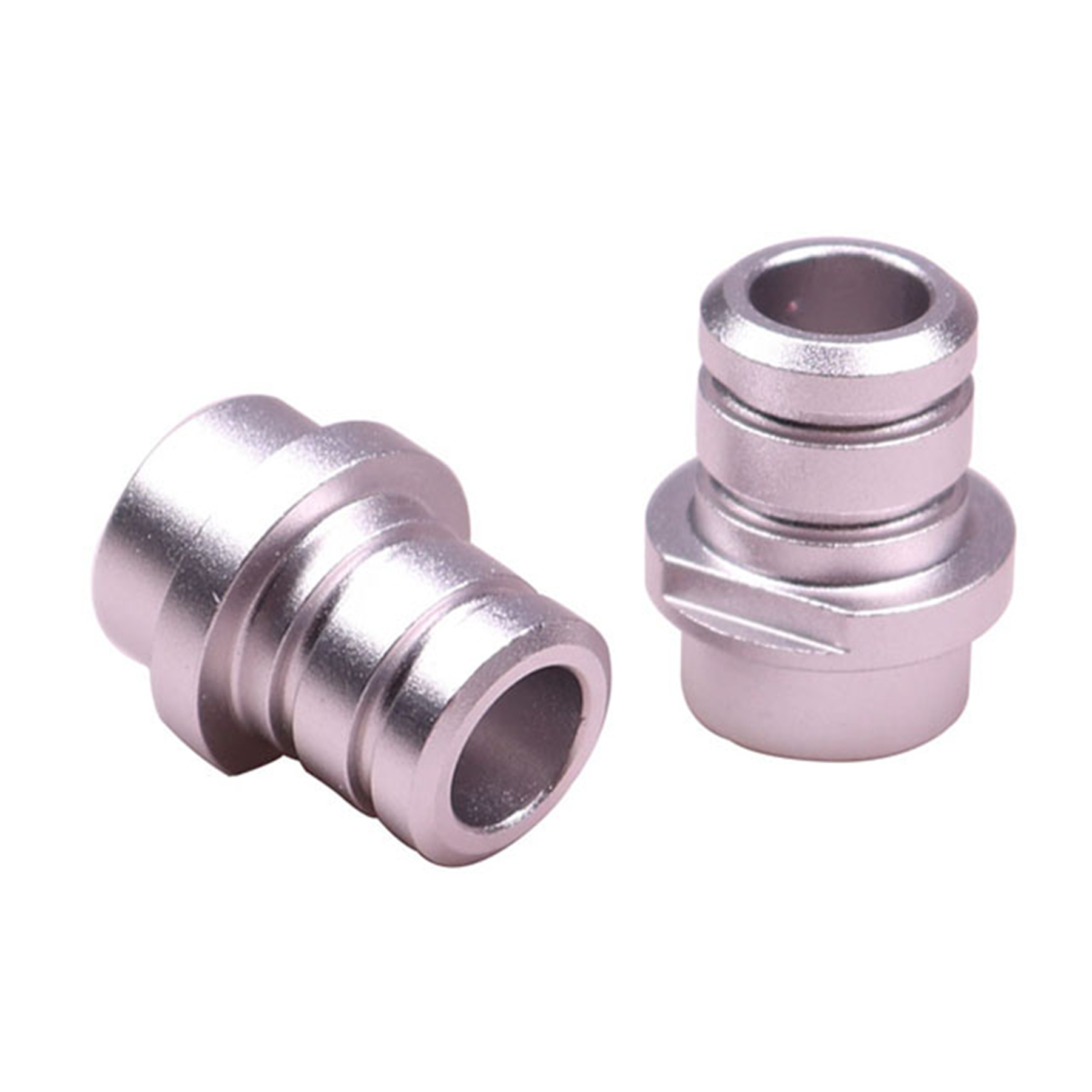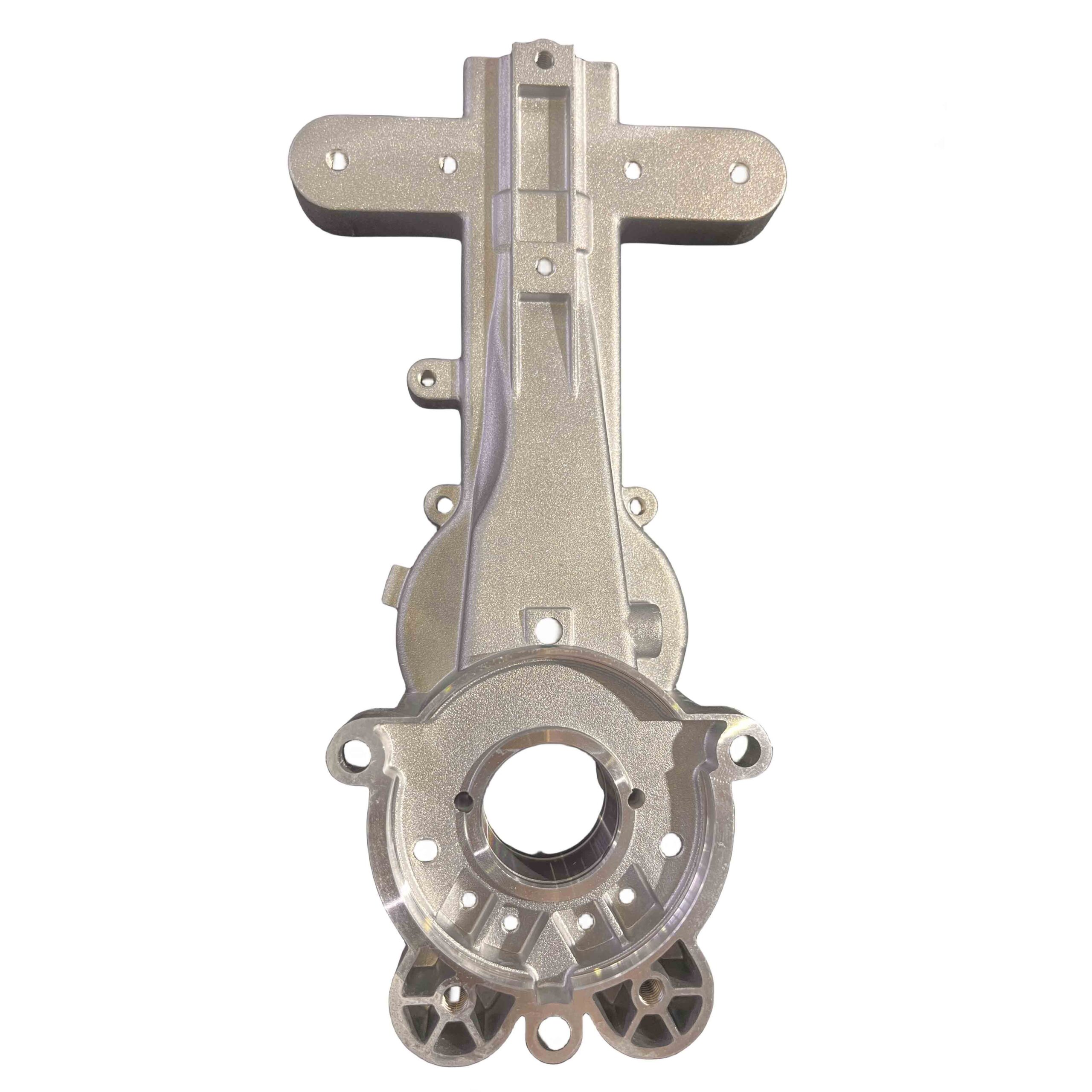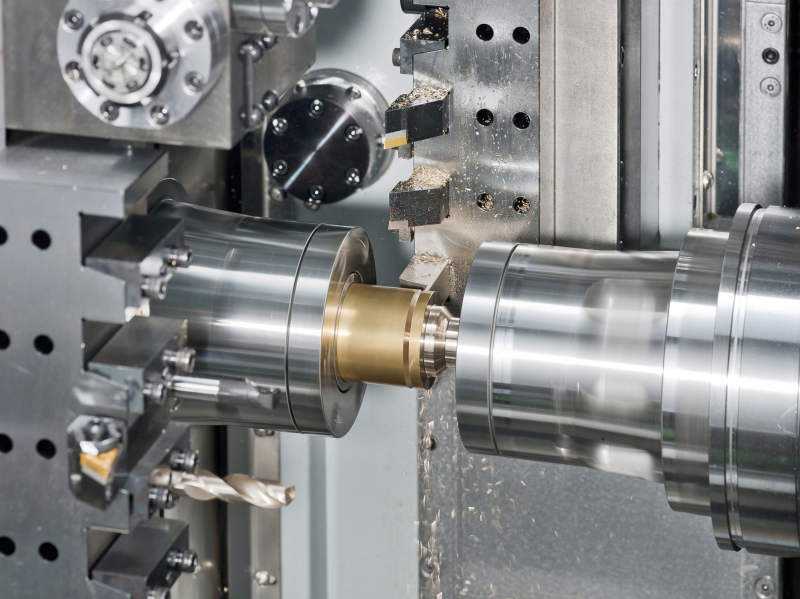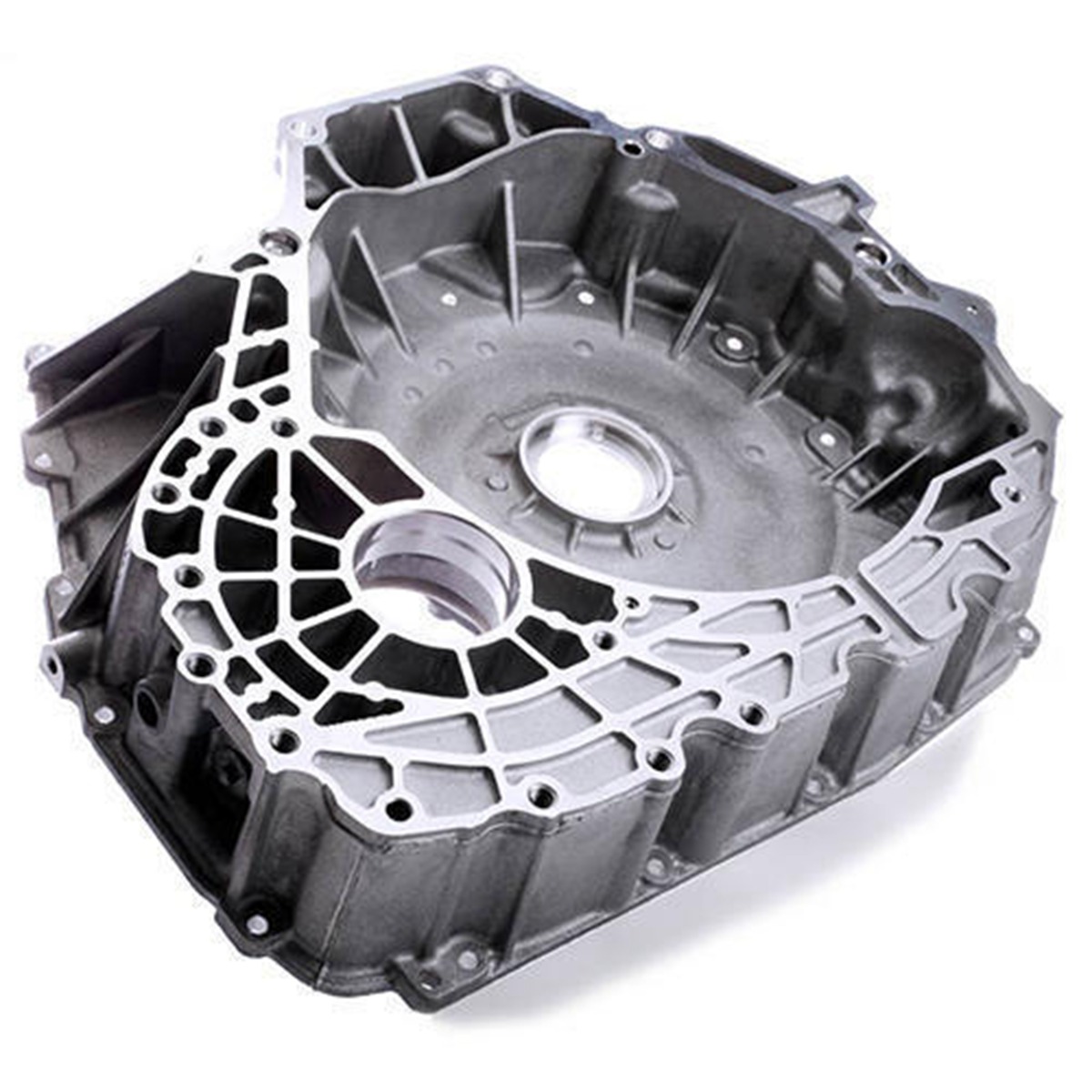
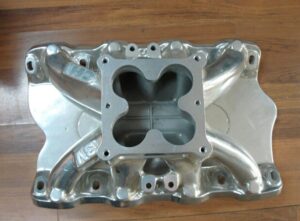
Die casting is a high-pressure metal casting process characterized by forcing molten metal into a reusable steel mold (die) cavity. It is renowned for producing high-volume, dimensionally precise, and complex metal parts with excellent surface finish. The suitability of a metal for die casting hinges on several key properties: low melting point, good fluidity, minimal shrinkage, resistance to hot cracking, and stable mechanical/chemical properties.
The most commonly die-cast metals are non-ferrous alloys. Here’s a detailed breakdown:
1. Zinc Alloys
Most Common: Zamak alloys (e.g., Zamak 3, Zamak 5).
Key Properties:
Very low melting point (~385°C / 725°F), ensuring long die life and energy efficiency.
Exceptional fluidity, allowing for the casting of thin walls (as fine as 0.3 mm), intricate details, and sharp features.
High impact strength and hardness.
Excellent surface finish, ideal for decorative or plated parts (e.g., bathroom fixtures, hardware).
Naturally provides EMI/RFI shielding.
Applications: Automotive components (brackets, handles), consumer electronics housings, gears, locks, toys, and numerous decorative hardware items.
2. Aluminum Alloys
Most Common: A380, A383 (ADC12), A360, A413.
Key Properties:
Excellent strength-to-weight ratio. This is their primary advantage.
Good corrosion resistance and mechanical properties.
High dimensional stability and good thermal & electrical conductivity.
Moderate melting point (~580-660°C / 1075-1220°F), but higher than zinc, leading to shorter die life.
Lower fluidity than zinc, requiring careful gating and venting design.
Applications: The largest segment of die casting. Used extensively in automotive (engine blocks, transmission housings, cylinder heads, structural parts), aerospace, power tools, housings for machinery, and electronic enclosures.
3. Magnesium Alloys
Most Common: AZ91D, AM60B.
Key Properties:
The lightest of all structural die-casting alloys (33% lighter than aluminum, 75% lighter than zinc).
Excellent strength-to-weight ratio and good stiffness.
Good damping capacity and machinability.
Low melting point (~600°C / 1112°F) and low heat content, enabling faster cycling than aluminum.
Requires special handling due to high flammability in molten state (uses SF6 or SO2 cover gases).
Applications: Where weight reduction is critical: automotive (steering columns, seat frames, intake manifolds), laptop/tablet casings, camera bodies, power tool housings, and aerospace components.
4. Copper Alloys (Brass and Bronze)
Less common due to very high melting points (~900-1100°C / 1650-2010°F), which drastically reduce die life and increase process difficulty.
Key Properties:
Excellent corrosion resistance, especially in marine environments.
High strength, hardness, and wear resistance.
Superior electrical and thermal conductivity.
Good antimicrobial properties.
Applications: Used for specialized, high-performance parts: marine hardware, heavy-duty plumbing fittings, gears, bearings, electrical connectors, and decorative architectural elements where appearance is key.
5. Lead and Tin Alloys
Niche applications today, largely due to the toxicity of lead.
Key Properties:
Very low melting point and exceptional fluidity.
High density.
Excellent corrosion resistance.
Applications: Historically used for tire weights and type slugs. Now limited to specialist applications like radiation shielding components, ornamental pieces, or certain industrial bearings where no substitute exists.
Selection Considerations and Trade-offs:
Cost vs. Performance: Zinc is cost-effective for complex, high-precision parts; aluminum offers the best balance of strength and weight; magnesium is premium for extreme lightweighting.
Die Life: Directly related to molten metal temperature. Zinc offers the longest die life, copper the shortest.
Part Geometry: Zinc allows the most intricate designs; aluminum and magnesium require more generous radii and thicker walls.
Post-Processing: Aluminum and zinc are easily plated or painted. Magnesium requires special pre-treatment.
Environmental/Safety: Magnesium requires strict process control for safety. Lead is heavily regulated.
General Design Guidelines for Die Cast Parts:
Uniform wall thickness is critical.
Use generous fillets and radii.
Design drafts (taper) on walls for ejection.
Avoid excessive depth to minimize porosity.
Incorporate ribs for strength rather than thickening walls.
Strategically place and design parting lines, gates, and ejector pin locations.
In summary, zinc, aluminum, and magnesium alloys dominate the die-casting industry, each offering a unique set of properties that make them ideal for specific applications—from high-precision zinc components to lightweight, strong aluminum and magnesium parts for the automotive and consumer electronics sectors. The choice ultimately depends on the specific requirements of the part regarding weight, strength, complexity, cost, and corrosion resistance.