Choosing between investment casting vs die casting isn’t just a technical decision—it’s a strategic move that affects your project timeline, product quality, and long-term profitability. While both methods are proven, each fits very different production goals and conditions. Here’s a clear framework to help you decide which casting method aligns with your business needs.
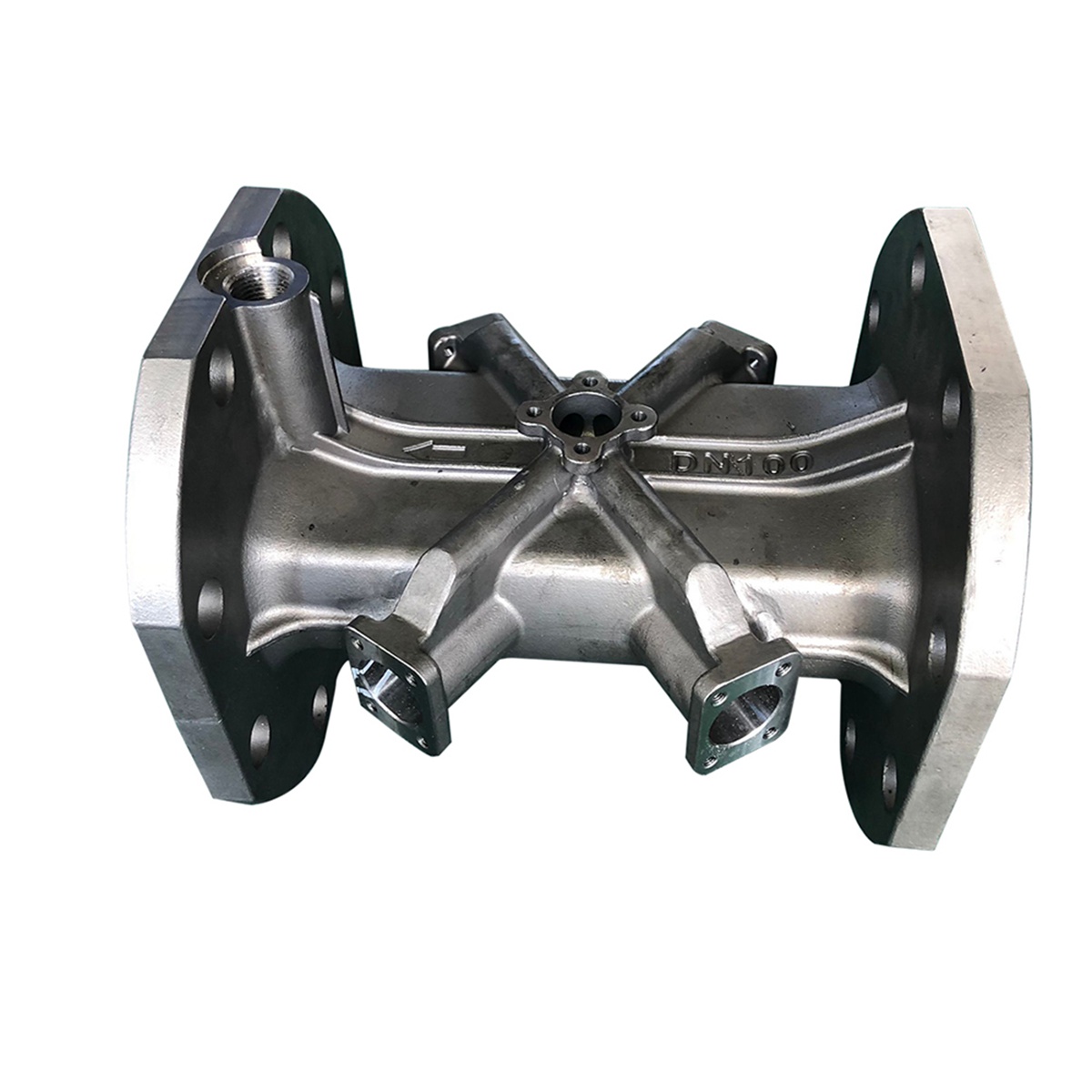
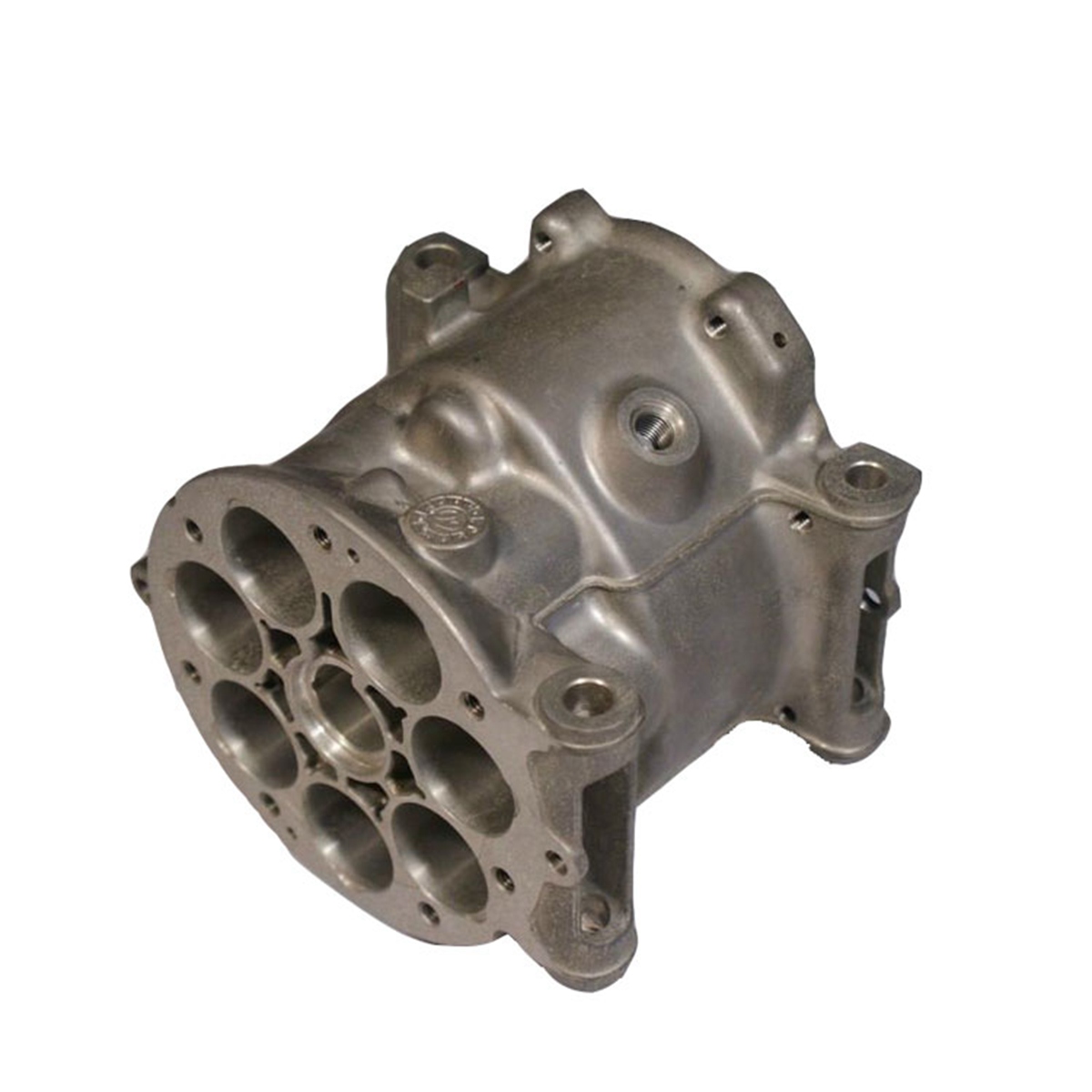
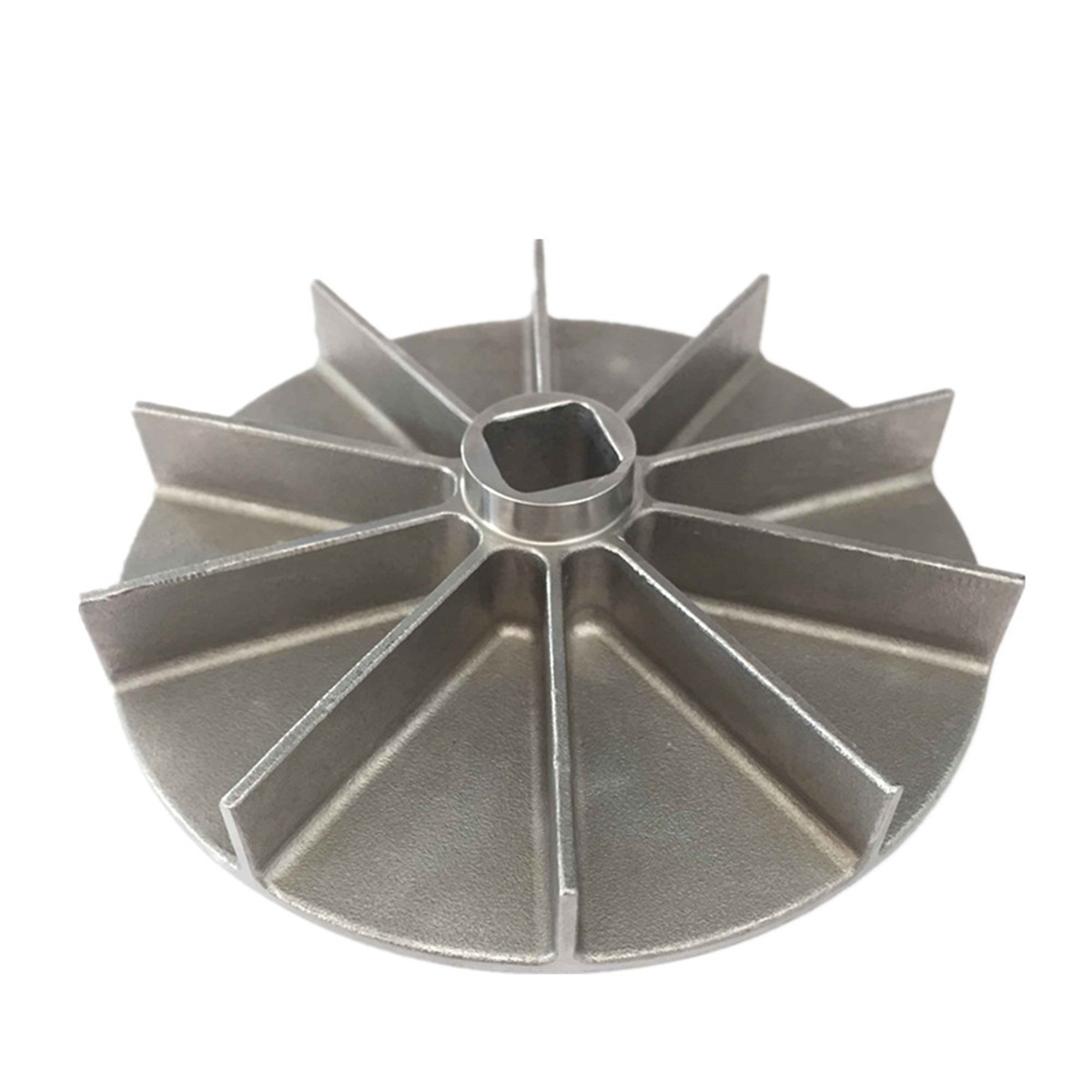
When comparing investment casting vs die casting, investment casting is the preferred method for part designs that feature intricate details, complex internal structures, sharp edges, or thin walls. It offers maximum geometric freedom and delivers high-precision components with superior surface finishes. This makes investment casting ideal for industries such as aerospace, medical, petrochemical, and specialized machinery where reliability and accuracy are critical. It’s also well-suited for smaller batch sizes, evolving designs, or applications requiring high-performance alloys like stainless steel or superalloys.
In the comparison of investment casting vs die casting, die casting stands out when your goal is mass production with consistent tolerances and rapid turnaround. It excels in high-volume manufacturing—particularly when working with aluminum, zinc, or magnesium—and is ideal for stable designs produced in the tens of thousands. Die casting is a preferred choice in automotive, consumer goods, and electronics sectors, where cost control, repeatability, and short lead times are essential for success.
Another key consideration when comparing investment casting vs die casting is budget allocation. Die casting requires significant upfront tooling investment but provides excellent ROI over high production runs. Investment casting is more flexible for smaller batches with lower tooling costs, but the per-part cost is higher. Think of investment casting as the artisan method—precise, customizable, and ideal for specialized applications. Die casting, by contrast, is the industrial powerhouse—fast, consistent, and scalable.
When assessing investment casting vs die casting, it’s important to consider the long-term impact each method can have on your supply chain, quality standards, and customer satisfaction. If your clients prioritize intricate branding, fine surface finishes, and minimal post-processing, investment casting provides superior results. Conversely, if fast delivery and consistent repeatability are crucial—especially in volume-driven markets—die casting offers a significant competitive advantage.
Ultimately, the best way to approach the investment casting vs die casting question is to match the method to your specific product goals—not just based on cost or complexity, but also on end-use, durability, production speed, and market expectations.