How to distinguish silica sol and water glass?
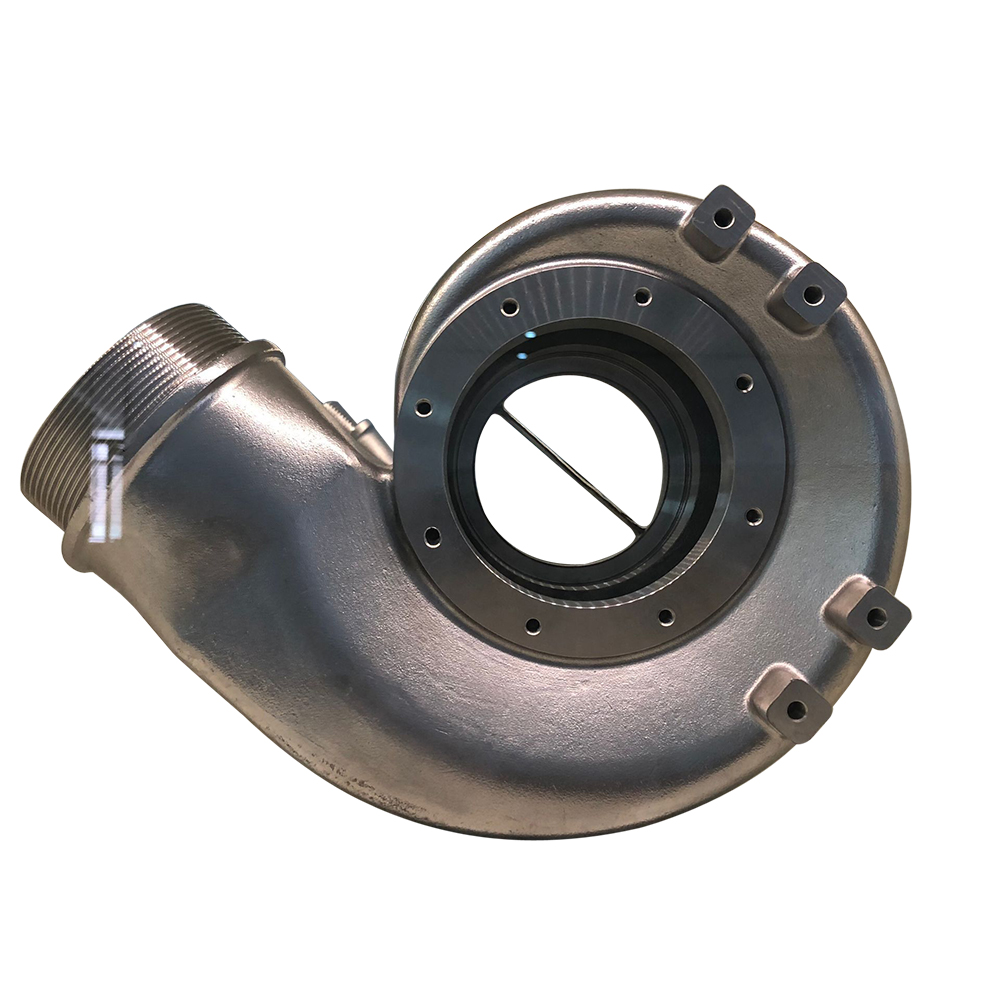
When mentioning adhesives, many people think of water glass, but silica sol can also be used as adhesives. So what is the difference between silica sol and water glass? Now let’s learn this together. Silica Sol Properties: Silica sol is a dispersion of nano-scale silicon dioxide particles in water or solvent, which is a […]
The CNC Machining Process
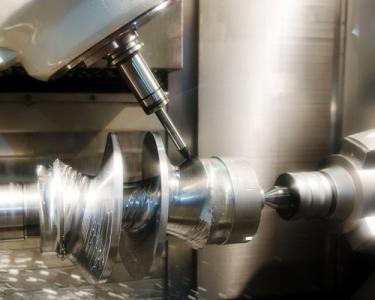
CNC machining is a modern manufacturing technique that uses computer code to control machinery movements. It is widely used to create metal components and when the components have to be identical. The CNC machining method involves the use of programmed commands. These commands control the movements of the cutting tools, ensuring the accurate and repeatable […]
What Is A Sand Casting
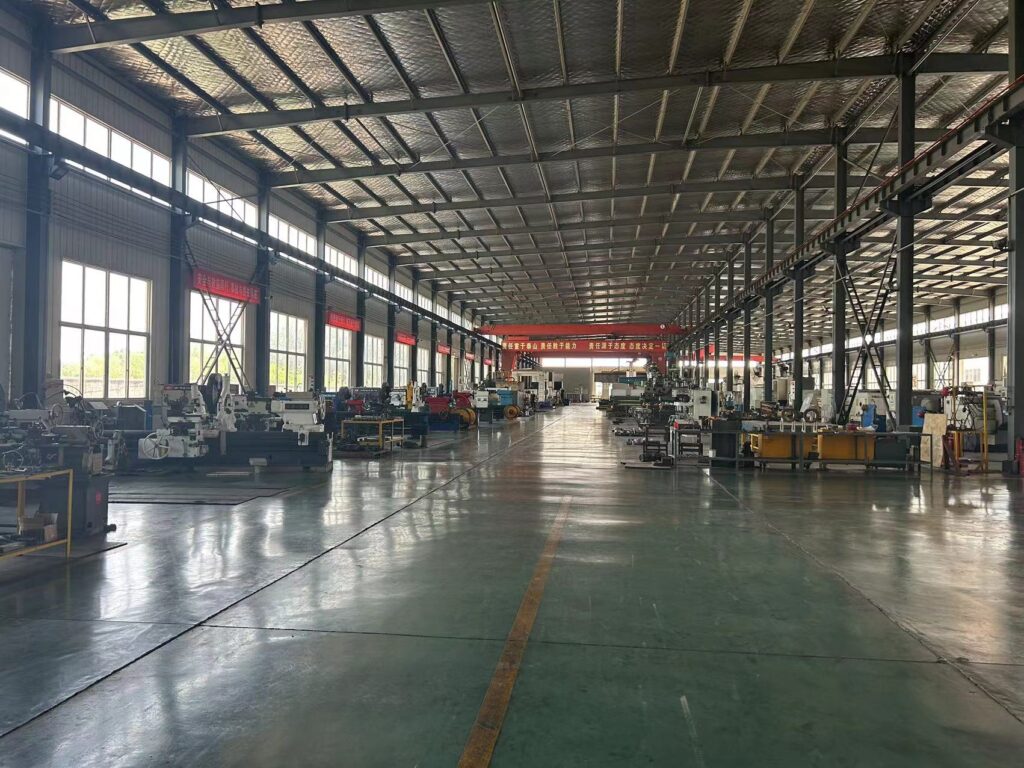
A sand casting or a sand molded casting is a cast part produced by forming a mold from a sand mixture and pouring molten liquid metal into the cavity in the mold. The mold is then cooled until the metal has solidified. In the last stage the casting is separated from the mold. There are […]
What Are the Different Types of Ferrous Metals?
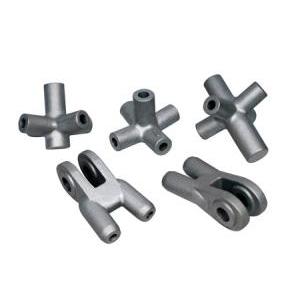
There is a wide range of metals that contain iron as their main component and are considered ferrous metals. Some popular examples include: 1. Stainless Steel Stainless steel is an alloy that crucially includes chromium (over 10.5% by mass) along with iron and carbon. It is renowned for its corrosion resistance, which is due to […]
What Industry Uses Ferrous Metals?
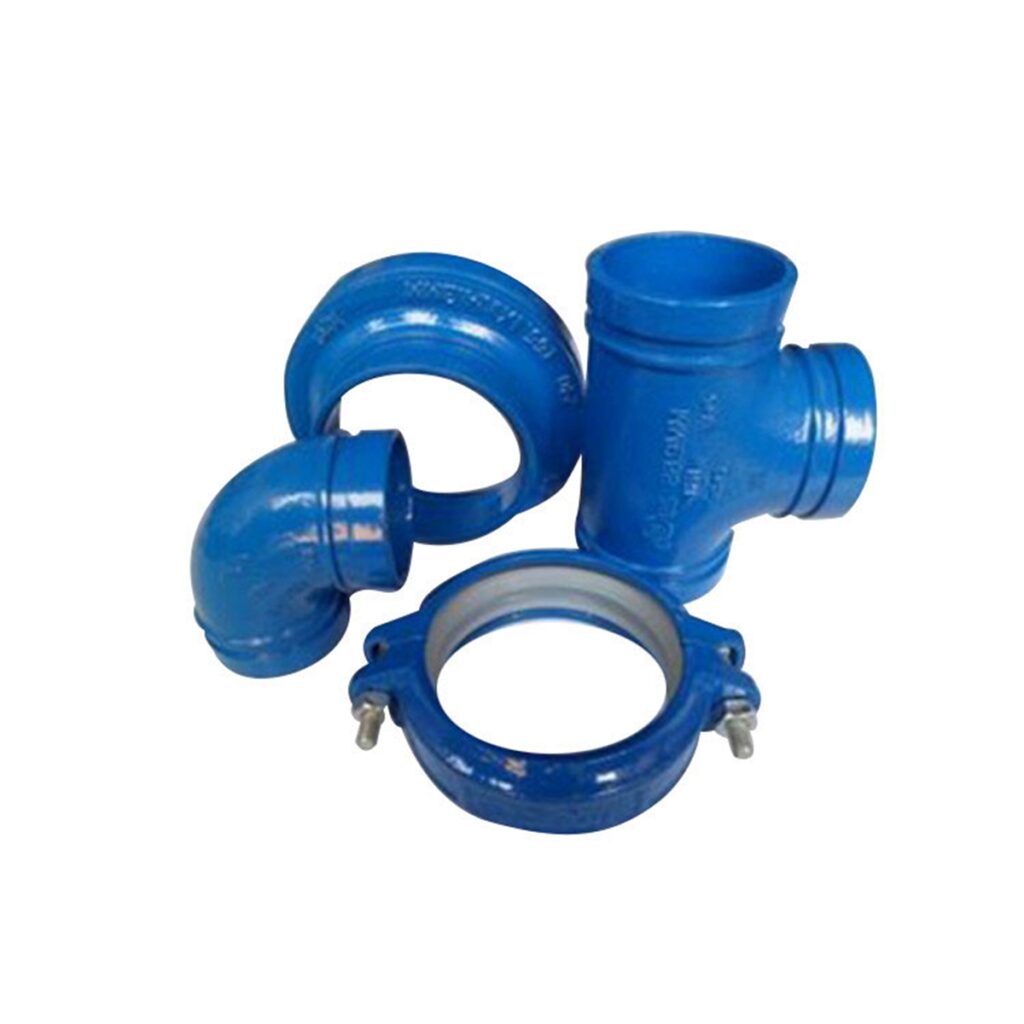
Ferrous metals are extensively used across a wide range of industries due to their versatile properties such as: strength, durability, and magnetism. Some key industries include: Construction:Ferrous metals like steel are fundamental in the construction industry for: building structural frameworks, reinforcements in concrete (rebar), beams, and columns in high-rise buildings, bridges, and other infrastructure projects. […]
Products Crafted Through High Pressure Die Casting
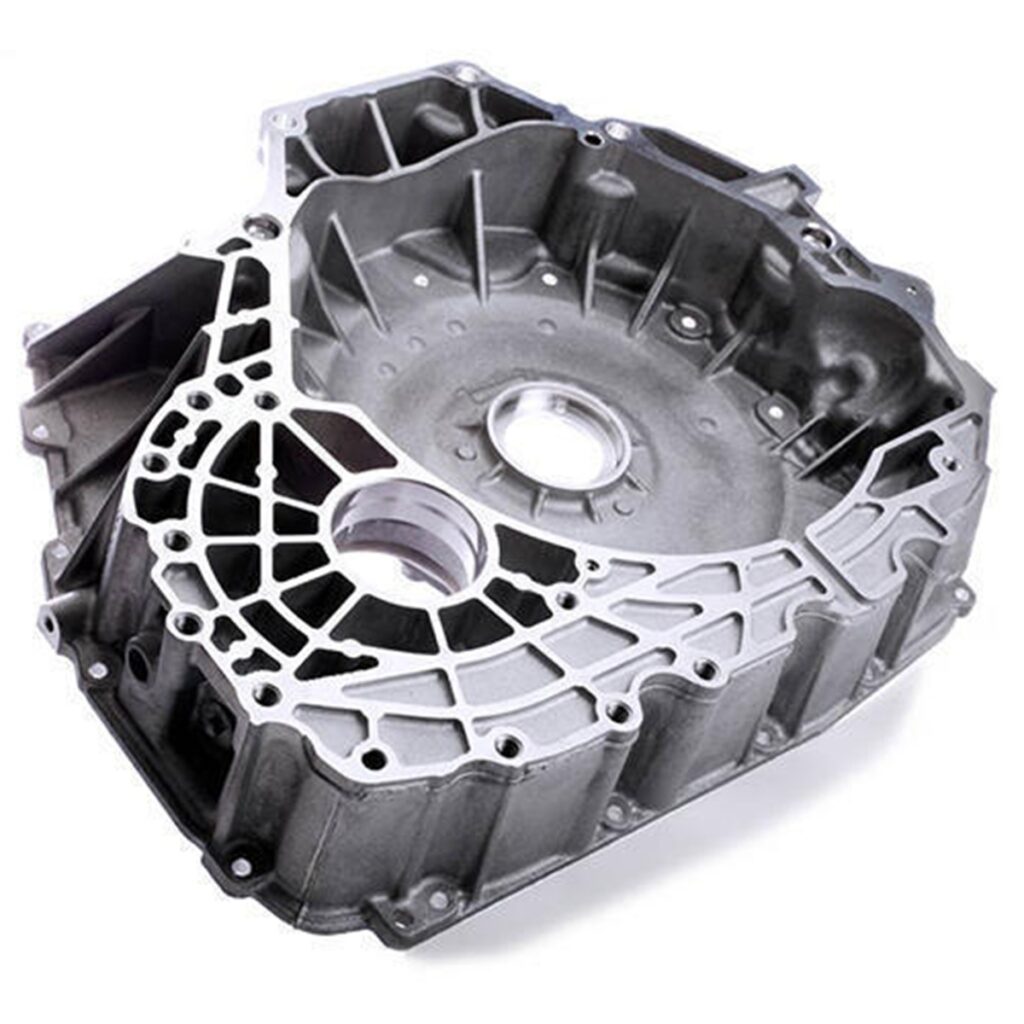
High pressure die casting is a technology that has changed the whole production process of different components in different industries. Whether it`s auto and electronics or household appliances and other, its effect is too much wide. It gives the possibility of a highly precise manufacturing of intricate shapes with very smooth surfaces that today have to meet […]
Costing of High Pressure Die Casting

HPDC or High Pressure Die Casting is usually known as a costly method of manufacturing as the tooling costs needed are the biggest factor. Let’s take a look at the factors which contribute to the cost of HPDC and then evaluate the amount required overall. Initial Tooling Costs: This means that the tooling costs for HPDC […]
What Is the Use of Ferrous Metals?
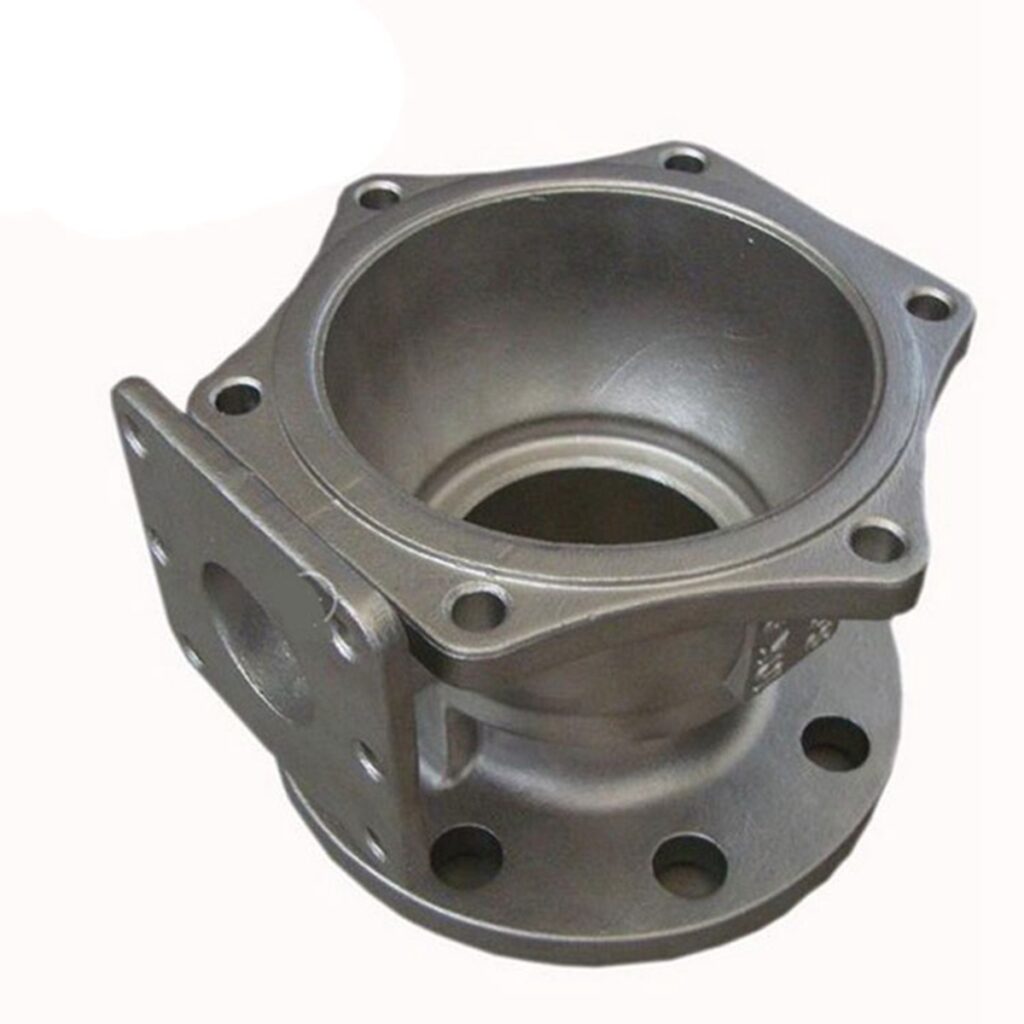
Ferrous metals are highly valued for their strength and durability. With their high tensile strength, they are ideal for structural uses such as: in buildings, bridges, and vehicles. They also possess unique magnetic properties crucial for making electrical components like motors and transformers. Additionally, ferrous metals can withstand high temperatures, which is beneficial for applications […]
Advantages of High Pressure Die Casting
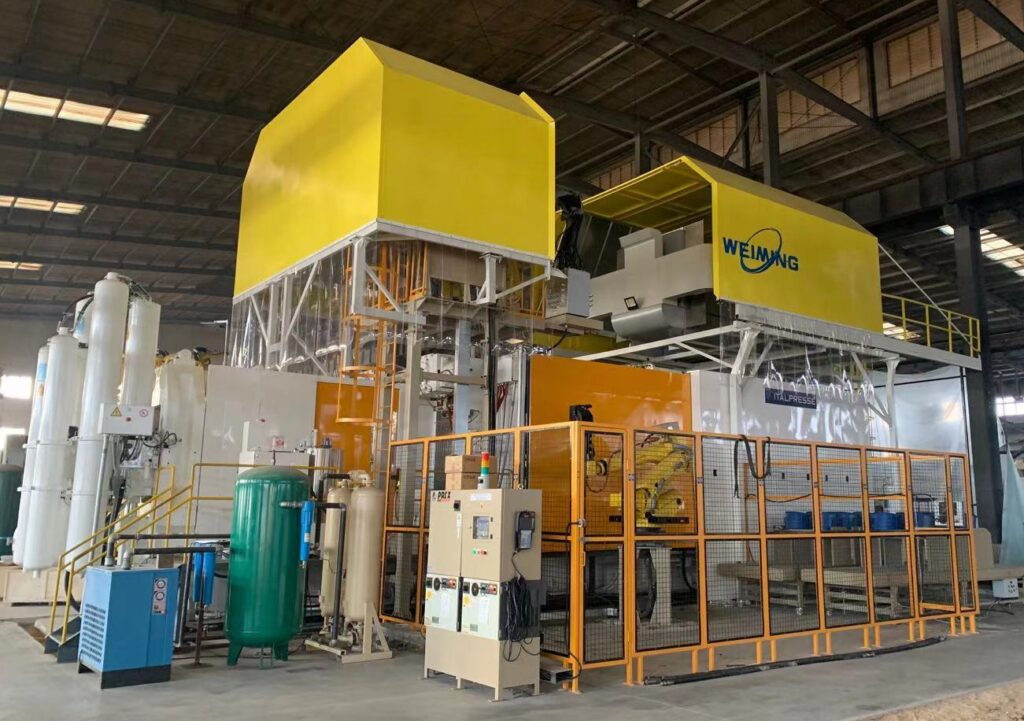
High production efficiency:High Pressure Die Casting (HPDC) optimizes the flow of manufacturing processes and guarantees the delivery of large volumes of parts within the deadline. Excellent dimensional accuracy and surface finish:HPDC provides the precise and error free parts with zero defects, while meeting the stringent quality standard with extraordinary surface finish, there are many type […]
What Are Examples of Ferrous Metals?
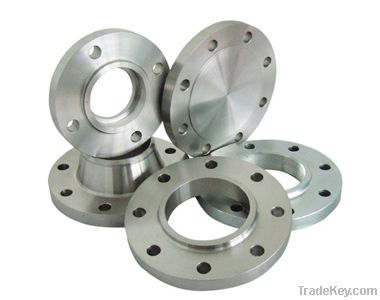
Some examples of ferrous metals include: cast iron, wrought iron, steel, stainless steel, and carbon steel. These metals are used for their strength in the construction and manufacturing sectors. Cast iron finds use in heavy-duty applications like pipes and machinery, whereas stainless steel is used in cutlery or medical instruments due to its favored corrosion-resistance […]