Types of CNC Milling Machines
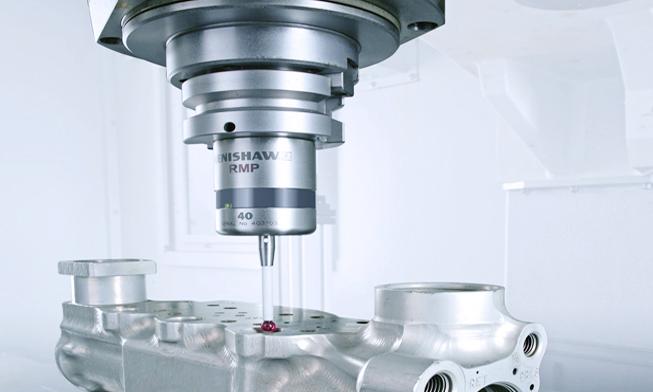
There are various types of CNC milling machines, including vertical and horizontal machining centers, and gantry mills for different machining tasks and workpiece sizes. 5-axis machines enable intricate part milling while micro-milling machines excel in precision for small components. The choice of machine depends on the specific job requirements, including material, part complexity, size, and […]
Design Considerations for Powder Coating
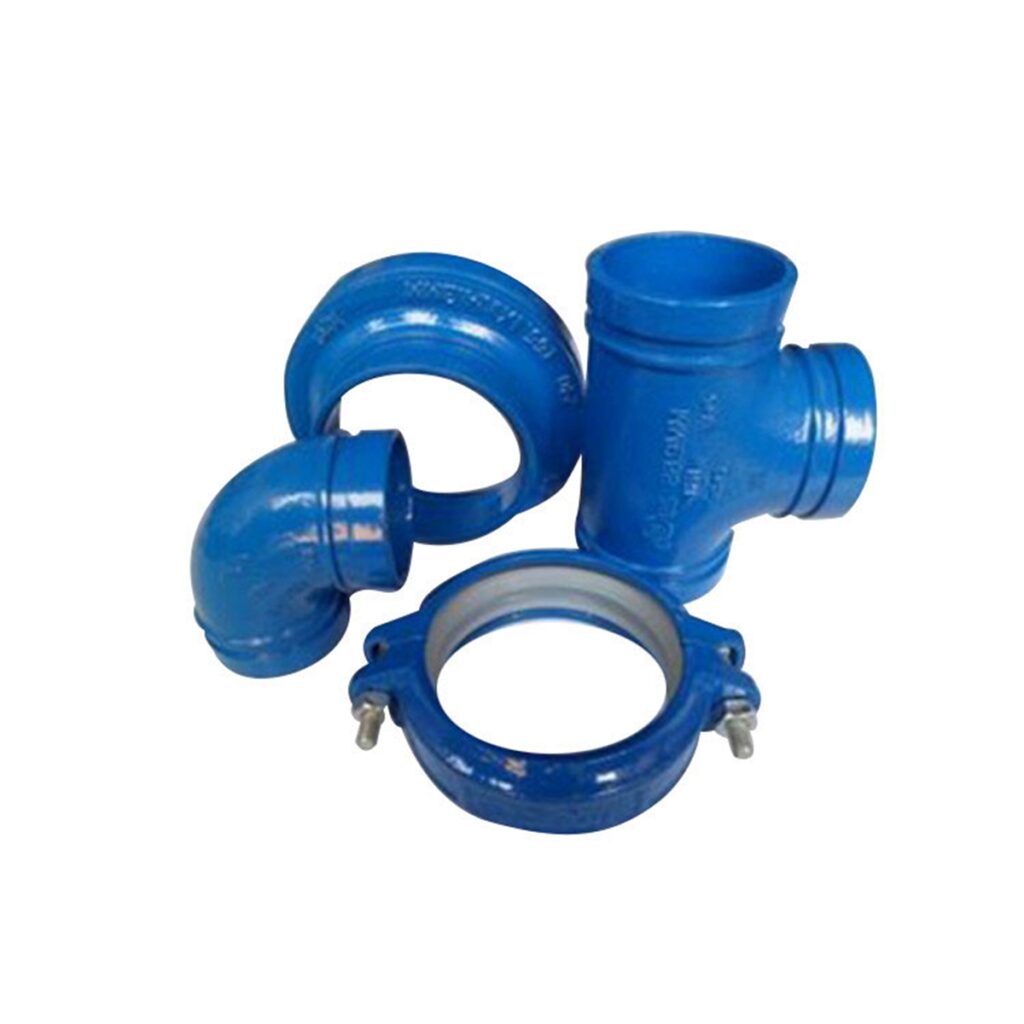
When surface finishing a product with powder coating, there are some key design considerations that must be taken into account, such as: Tolerances & coating thickness Material surface Color Cost Tolerances & coating thickness: The thickness of a typical powder coat adds .006”-.012” of surface thickness, which can throw off some low-tolerance builds or […]
Tolerances and Precision Achievable With CNC Milling
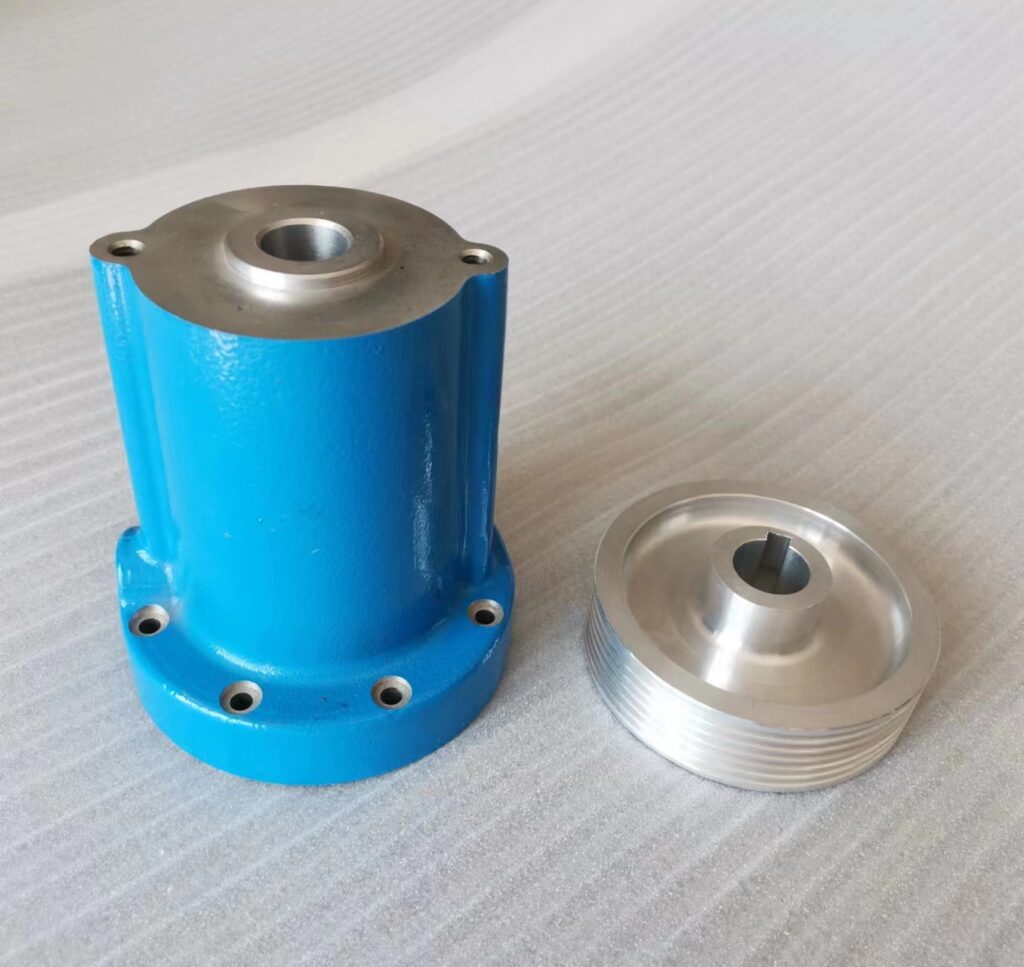
The achievable tolerances and precision typically depend on various factors, including the machine’s capabilities, tool quality, and the material being machined. CNC milling can often achieve tolerances within the range of ±0.005 to ±0.001 inches (0.127 to 0.0254 mm). These are suitable for most common applications.
What Products Can’t Be Powder Coated?

It is important to note that the suitability of powder coating for a particular material may depend on its specific characteristics and the coating process being used. In some cases, it may be possible to apply a powder coating to a material that is not typically suitable, but this may require the use of special […]
Types of Materials Can Be Processed Using CNC Milling
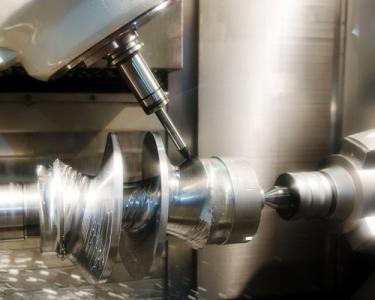
Many materials can be manufactured by CNC milling due to the flexible process ability of CNC machines, including: Metals: Aluminum, steel, stainless steel, brass, and copper. Plastics: ABS, acrylic, poly-carbonate, nylon, and more. Wood: Hardwood, softwood, and wood-based materials like plywood. Composites: Carbon fiber, fiberglass, and Kevlar. Ceramics: Advanced CNC milling can machine ceramics. Foam […]
What Products Can Be Powder Coated?
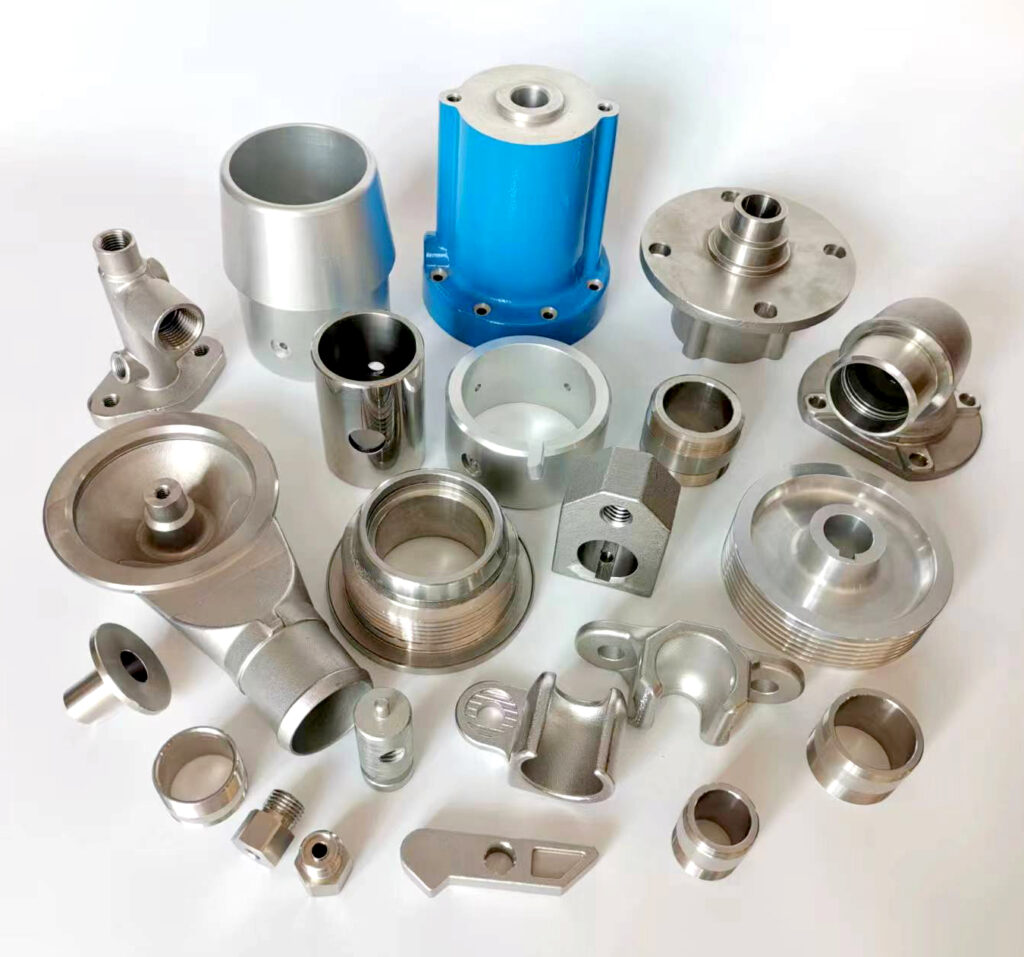
Powder coating can be applied to a wide variety of products, and is only held back by how evenly the dry particles adhere to a given surface. Some examples of products that are regularly powder coated include: Automotive parts like car and truck wheels, bumpers, internals, and other components Appliances such as refrigerators, washing machines, […]
Types of CNC Milling Machines
There are various types of CNC milling machines, including vertical and horizontal machining centers, and gantry mills for different machining tasks and workpiece sizes. 5-axis machines enable intricate part milling while micro-milling machines excel in precision for small components. The choice of machine depends on the specific job requirements, including material, part complexity, size, and […]
Benefits of Powder Coating
Some benefits of powder coating include: Improved Durability & Lifespan Enhanced Aesthetics Environmental Friendliness Cost-Effectiveness Improved Durability & Lifespan Powder coating provides a protective layer on the surface of the material that is more durable and resistant to wear, abrasion, and corrosion than liquid coatings. Powder coating can also extend the lifespan of the material, […]
Components Make Up a CNC Milling Machine
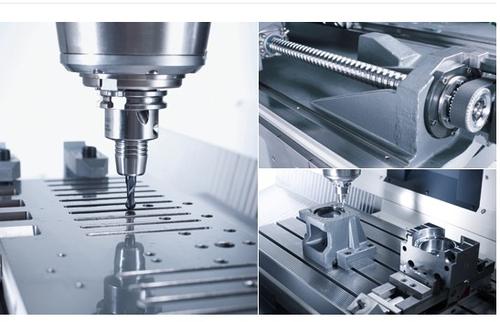
You can broadly categorize a CNC milling machine into eight main components. Further detailed subdivisions are quite complex, and we won’t delve into them here. Worktable Spindle Tool Holder Control Panel Axis Movement System (X, Y, Z axes) Drive Motors CNC Controller Coolant System
Powder Coating Materials

Here are some suitable materials that are commonly powder coated. Note that we will work closely with you to achieve the right combination of material and finish if the below list does not contain your intended material. 5052 H32 Aluminum 6061 T6 Aluminum 7075 T6 Aluminum MIC6 Aluminum AR400 & AR500 Steel 4140 + 4130 Chrome-moly […]