CNC Machining Processes for Plastic Parts
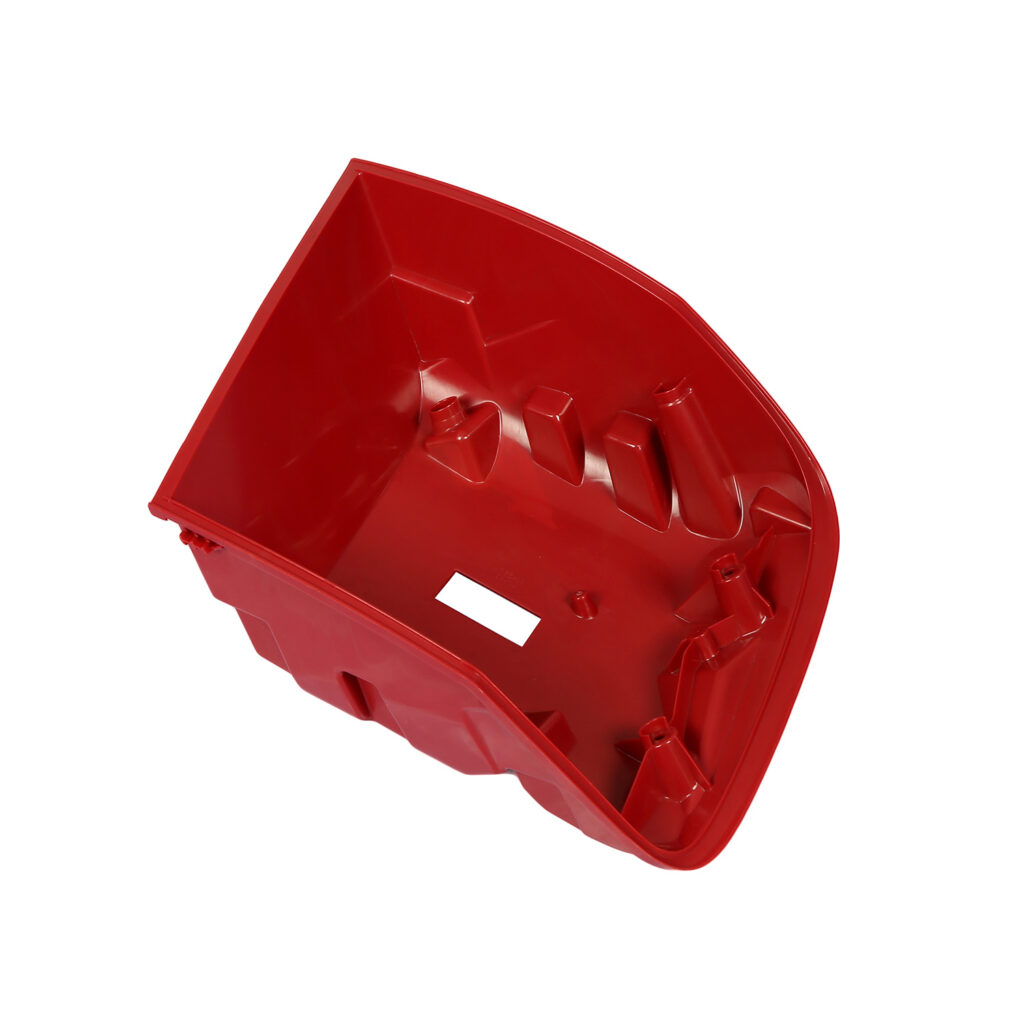
In manufacturing accurate plastic components, Computer Numerical Control is an important factor. The milling technique, which is a flexible tool using a rotating cutter, has incredible success in generating detailed patterns. Drilling and turning are effective for cylindrical figures which includes creating holes that require high speeding. The control of the production process, when larger […]
Key Considerations for Hot Dip Galvanizing
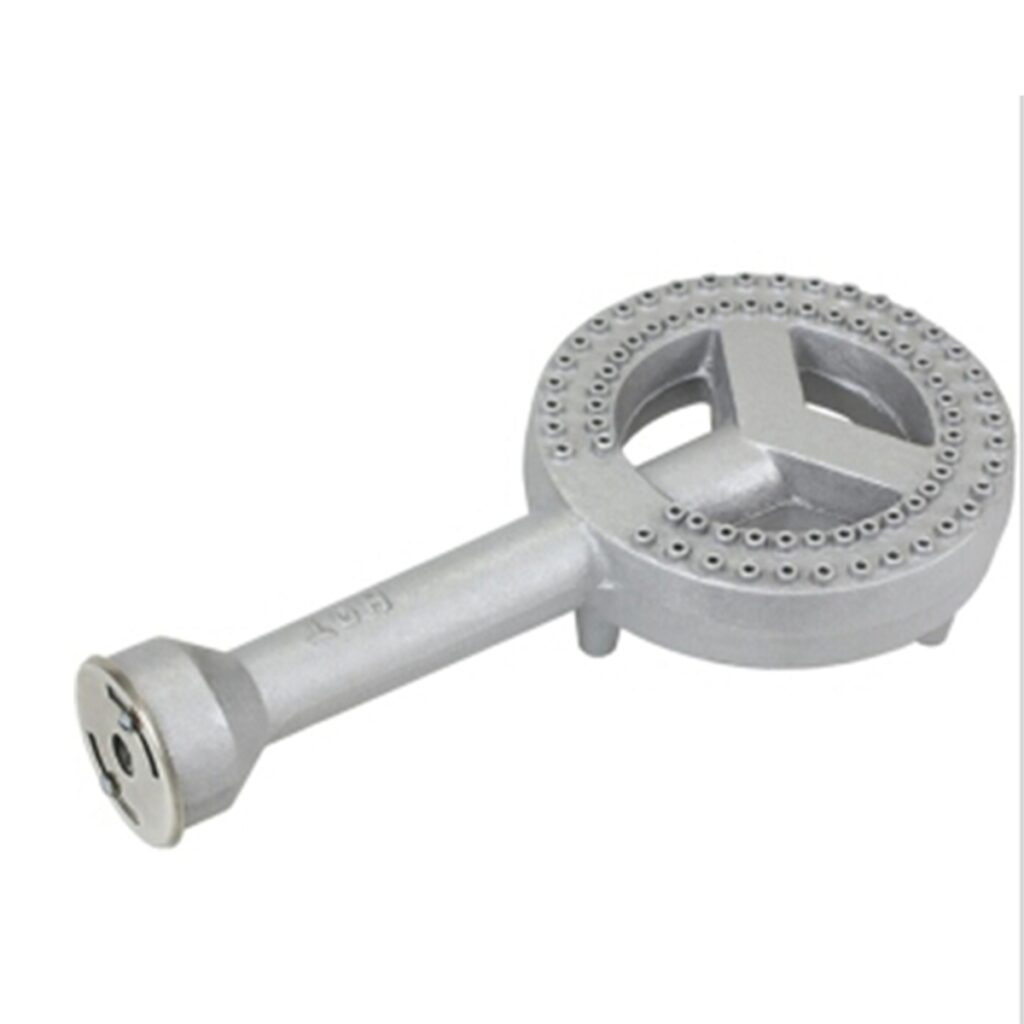
Surface Preparation Cleaning: Ensure thorough removal of oil, grease, dirt, rust, and mill scale. Inadequate cleaning leads to poor zinc adhesion. Pickling: Use hydrochloric or sulfuric acid to dissolve remaining oxides. Monitor acid concentration and temperature to avoid over-pickling (pitting) or under-pickling. Fluxing: Apply a flux (typically zinc ammonium chloride) to prevent re-oxidation before immersion […]
Types of Plastic Used in CNC Machining
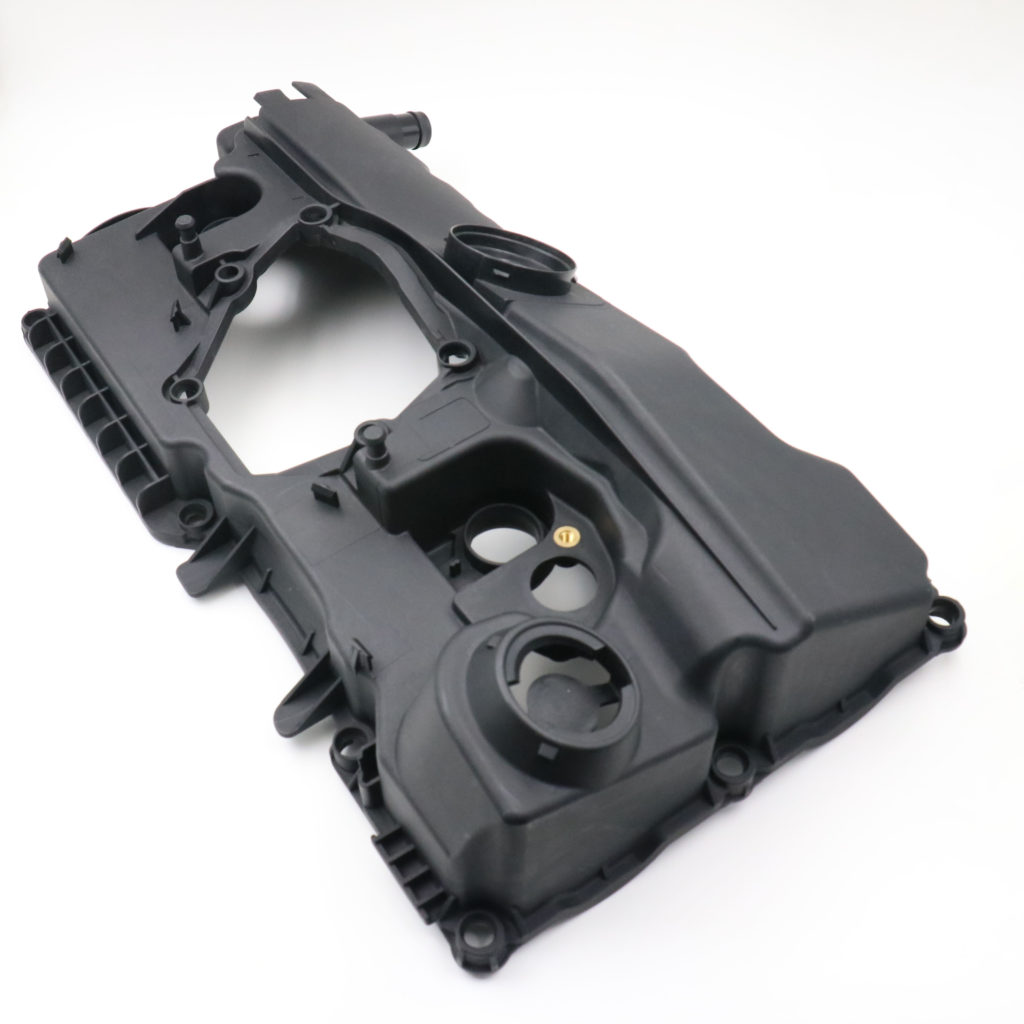
Not all plastics can be CNC machined. However, one thing to note is that the more rigid a plastic is, then, the easier the better machinability it has. On the contrary, the softer and more flexible the plastic, the less suitable they are for machining. In the world of machining, there are about a few […]
Custom Steel Investment Casting Parts
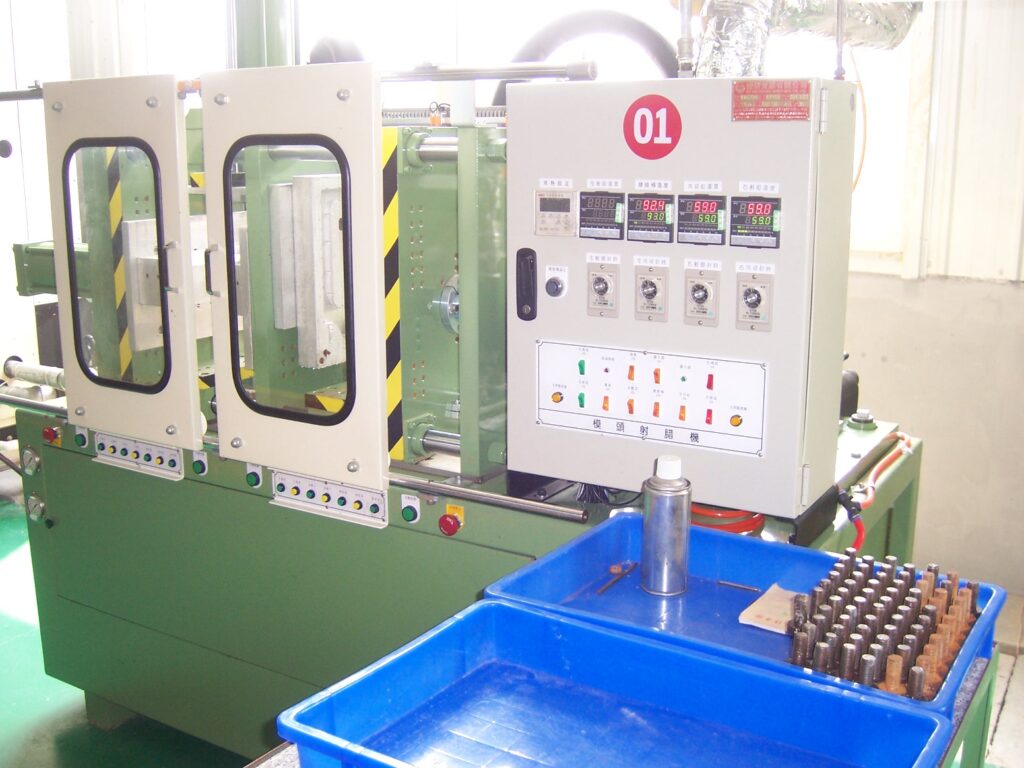
To obtain custom steel investment casting parts, follow these steps: clearly define your requirements, select a reputable manufacturer, provide detailed drawings or models, collaborate on material selection, and engage in tooling and pattern development. After approving prototypes, the manufacturer proceeds with mass production, implementing rigorous quality control measures. Additional finishing processes may be applied, and […]
Challenges in Steel Investment Casting

Challenges in steel investment casting include dealing with intricate designs that can affect pattern accuracy, the initial high cost of tooling, and the complexity of selecting the right steel alloy. Achieving a smooth surface finish, maintaining tight dimensional tolerances, and ensuring the integrity of wax patterns are ongoing challenges. There’s also the risk of ceramic […]
Common Machine Tool Types

Here’s an overview of common machine tool types used in machining processes, categorized by their primary functions and technologies: 1. Conventional Machining Machines Lathe Used for turning operations: Rotates a workpiece while a cutting tool removes material to create cylindrical parts (e.g., shafts, bolts). Subtypes: Engine lathe, turret lathe, bench lathe. Milling Machine Employs rotary cutters to […]
Quality Control in Steel Investment Casting
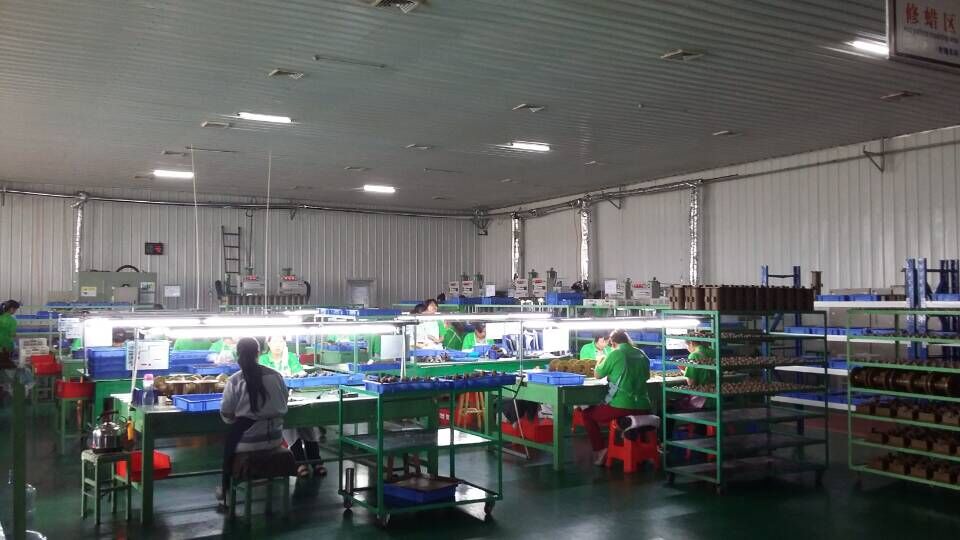
Quality control in steel investment casting is integral to ensuring precise and reliable components. The process begins with a thorough inspection of wax patterns, correcting any deviations from design specifications. Subsequent checks verify the ceramic shell’s integrity and uniform coating, with a keen focus on eliminating wax residues during the dewaxing process. Critical stages like […]
Implementation of Turn-Mill Compound Machining
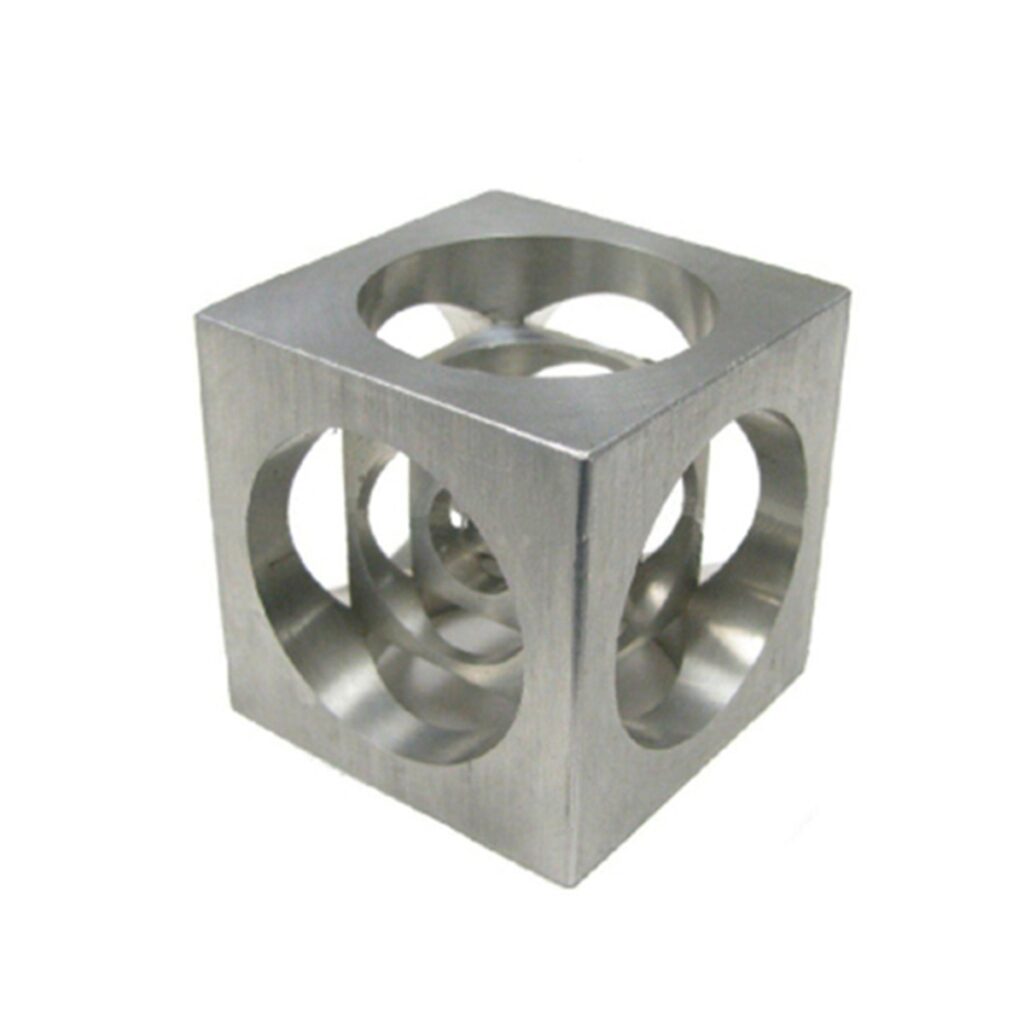
Turn-mill compound machining, also known as multi-tasking machining, integrates turning and milling operations into a single machine tool to perform complex part processing in one setup. Here’s how it is achieved: 1. Integrated Machine Architecture Multi-Axis Control: Modern turn-mill centers feature 5-axis or more capabilities, combining rotary axes (e.g., B-axis for milling head tilting) with linear axes (X, Y, Z). Dual […]
Types of Steel Used in Investment Casting
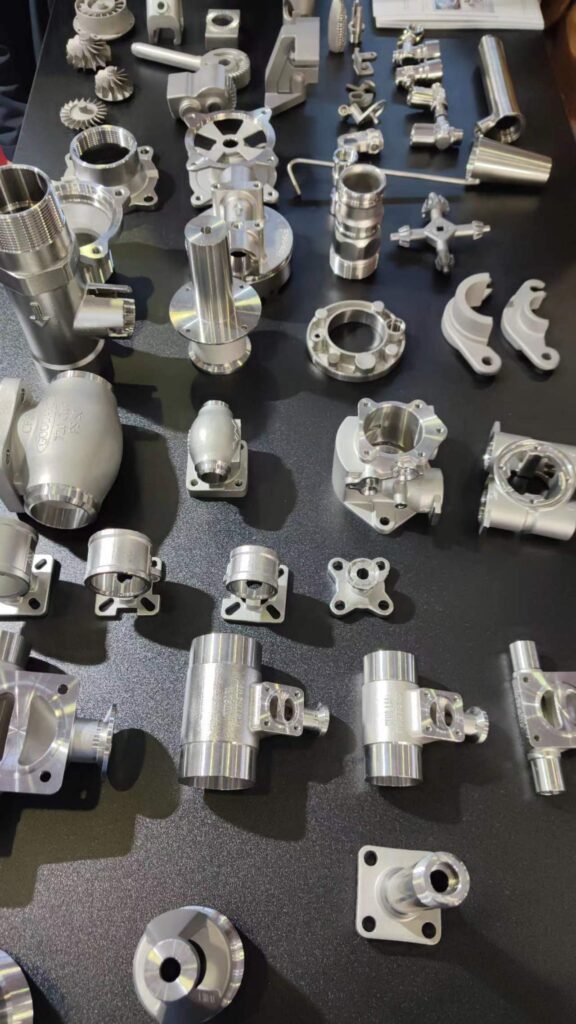
In investment casting, various steel types cater to diverse component needs. Choices, driven by specific product requirements, include: Carbon Steel: General-purpose use. Offers cost-effective strength. Alloy Steel: Enhanced properties with alloying elements. Improved strength, hardness, and corrosion resistance. Stainless Steel: Known for corrosion resistance and high-temperature tolerance. Different grades (e.g., 304, 316) offer varying properties. […]
The Investment Casting Process
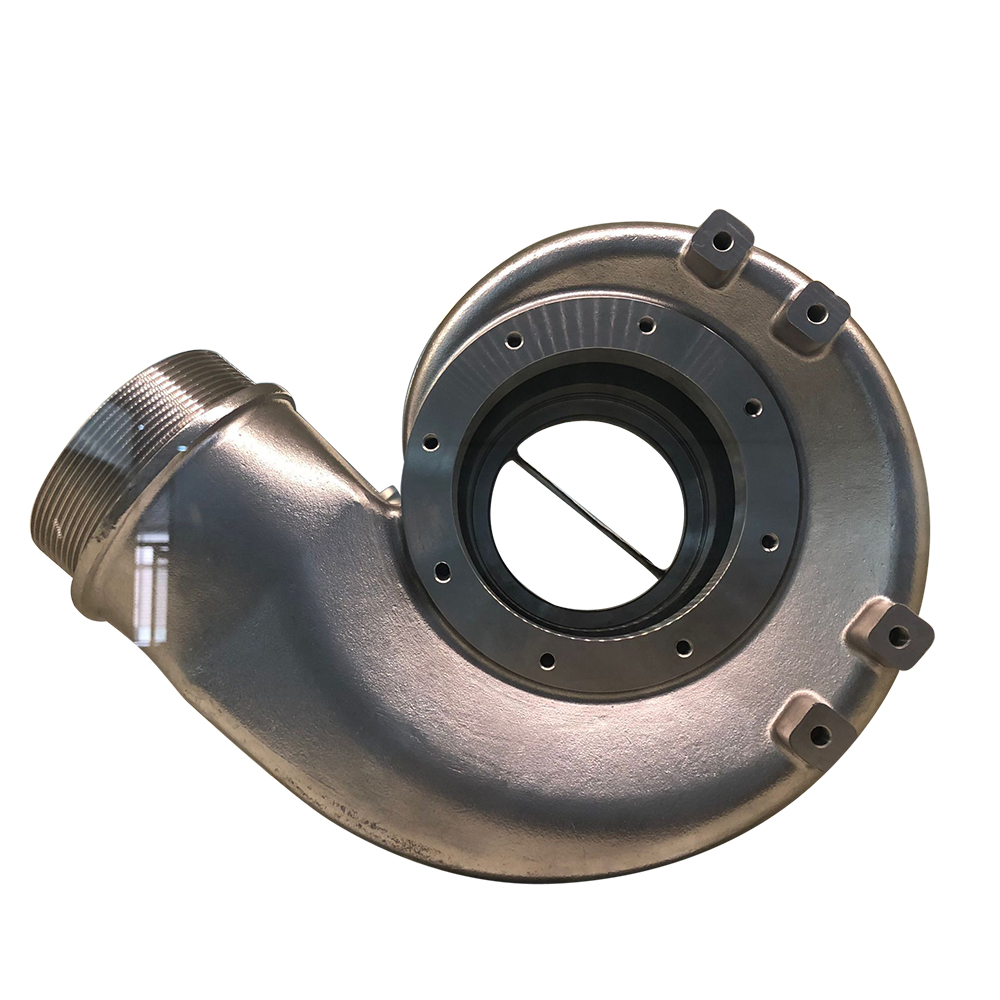
Here are the key steps involved in the investment casting process: Wax Pattern Creation: Injection Molding: Create wax patterns by injecting molten wax into molds. Pattern Assembly: Assemble wax patterns for the next casting stages. Shell Building: Coating: Apply ceramic coatings to the wax assembly. Drying: Thoroughly dry the coated pattern. Stuccoing: Reinforce […]