Will Stainless Steel Rust?
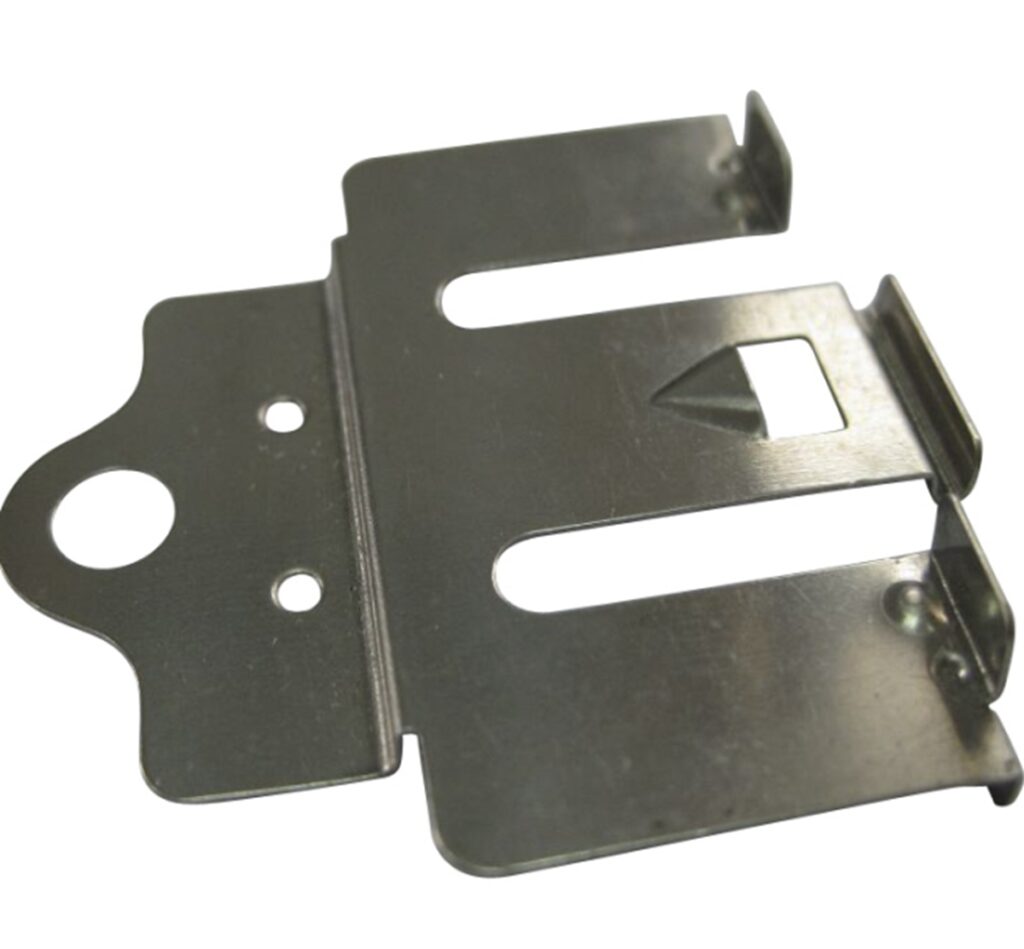
Stainless steel is highly resistant to rust, but it is not 100% rust-proof. Its corrosion resistance depends on its composition, environment, and maintenance. Here’s why: 1. How Stainless Steel Resists Rust Stainless steel contains chromium (at least 10.5%). When exposed to oxygen, chromium forms a thin, invisible chromium oxide layer (passive layer) on the surface. This layer acts as a shield, […]
Challenges and Considerations in Metal Bending

Metal bending, while versatile, presents several challenges that require careful consideration. Material springback is a primary concern, where the metal tends to revert slightly toward its original shape after bending. This can be compensated for by over-bending or using specialized tooling that anticipates the degree of springback based on the metal type and thickness. The […]
Applications of Stainless Steel
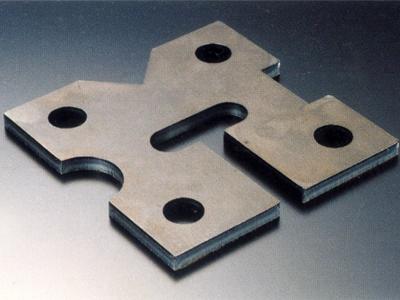
Stainless steel is a versatile and corrosion-resistant alloy composed primarily of iron, chromium (minimum 10.5%), and often other elements like nickel, molybdenum, or carbon. Its unique properties make it indispensable across industries. Below are key applications categorized by sector: 1. Architecture & Construction Structural elements: Bridges (e.g., Helix Bridge Singapore), building façades (e.g., Chrysler Building […]
Advantages of Metal Bending
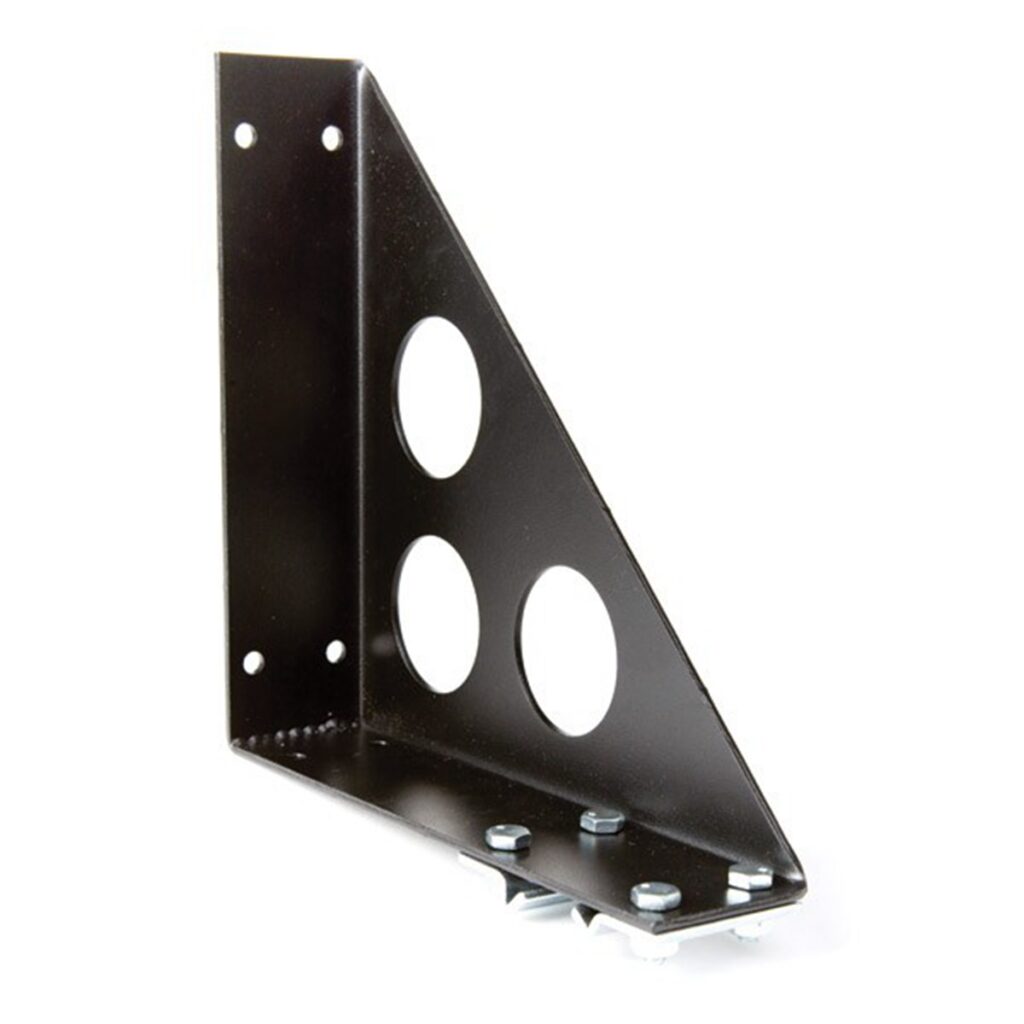
Metal bending offers several distinct advantages that make it a preferred method in various fabrication scenarios. Firstly, it is cost-effective compared to other forming methods. Bending requires fewer steps and less energy, leading to lower production costs and faster turnaround times. Additionally, metal bending allows for the creation of durable and complex shapes, expanding design […]
Applications of Metal Bending
Metal bending finds extensive applications across various industries, each leveraging the process to craft essential components and intricate designs. In the automotive industry, metal bending is crucial for producing frames, brackets, and panels, which are integral to vehicle structure and safety. The construction sector relies on metal bending for creating beams, roofing elements, and architectural […]
How to Choose the Right Stainless Steel: Balancing Corrosion Resistance, Strength, and Cost for Your Application
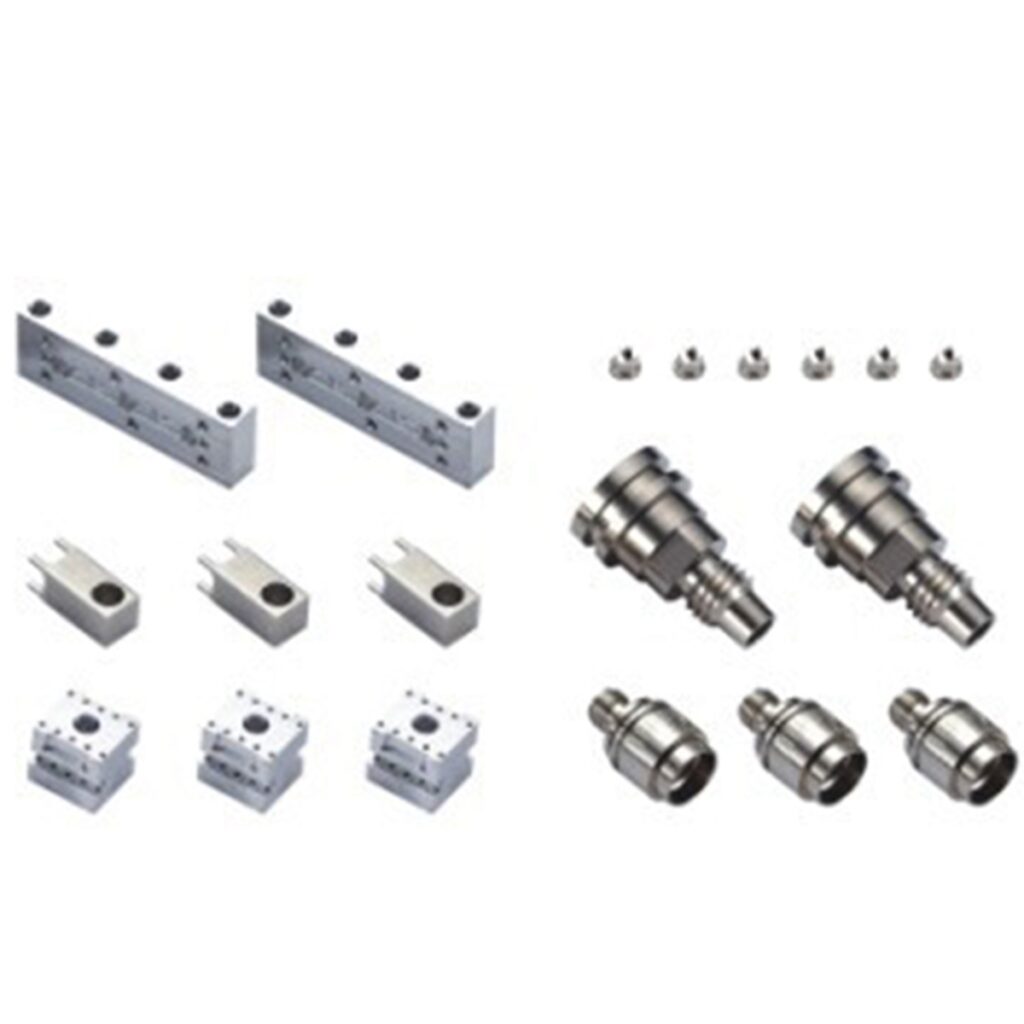
Choosing the right stainless steel grade involves evaluating several factors to match the material’s properties with your application’s requirements. Here’s a structured approach to guide your decision: 1. Assess the Environment Corrosion Resistance: 304 (A2): Good for general use (indoor, mild chemicals). Contains 18% Cr, 8% Ni. 316 (A4): Enhanced with 2-3% Mo for resistance to chlorides and […]
Common Types of Stainless Steel Materials

Austenitic Stainless Steel Common Grades: 304 (A2), 316 (A4), 321, 310 Composition: High chromium (16–26%) and nickel (6–22%), with some grades containing molybdenum (e.g., 316 has 2–3% Mo). Properties: Excellent corrosion resistance (especially in acidic or chloride environments for 316). Non-magnetic in annealed state (may become slightly magnetic after cold working). Good ductility and weldability. […]
What Machine Is Used To Bend Metal
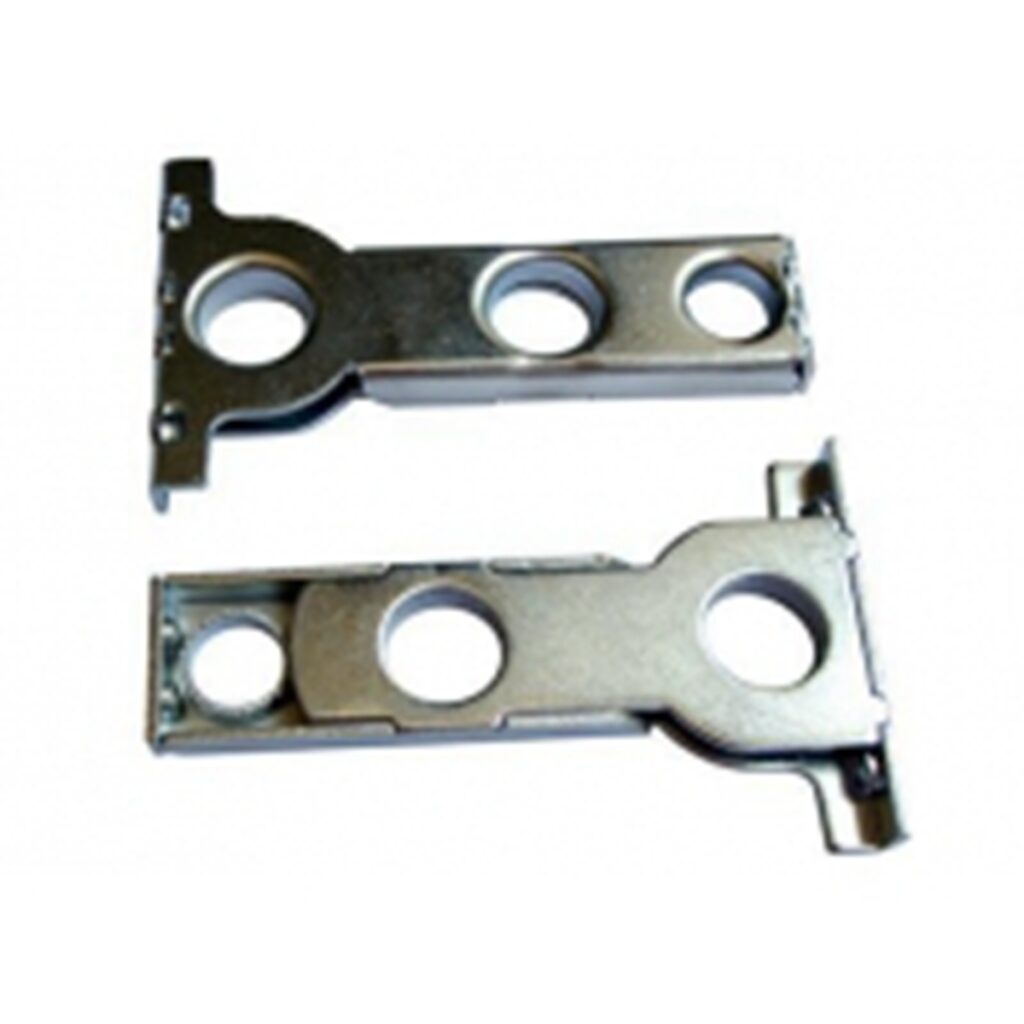
Various machines are employed in metal bending, each suited to different types of jobs. Manual bending brakes are common in smaller workshops and for simpler tasks, requiring physical effort but offering control and simplicity for straightforward bends. On the other hand, hydraulic bending machines provide power and efficiency for larger scale or industrial projects, utilizing […]
Essential Elements of a Metal Component Drawing
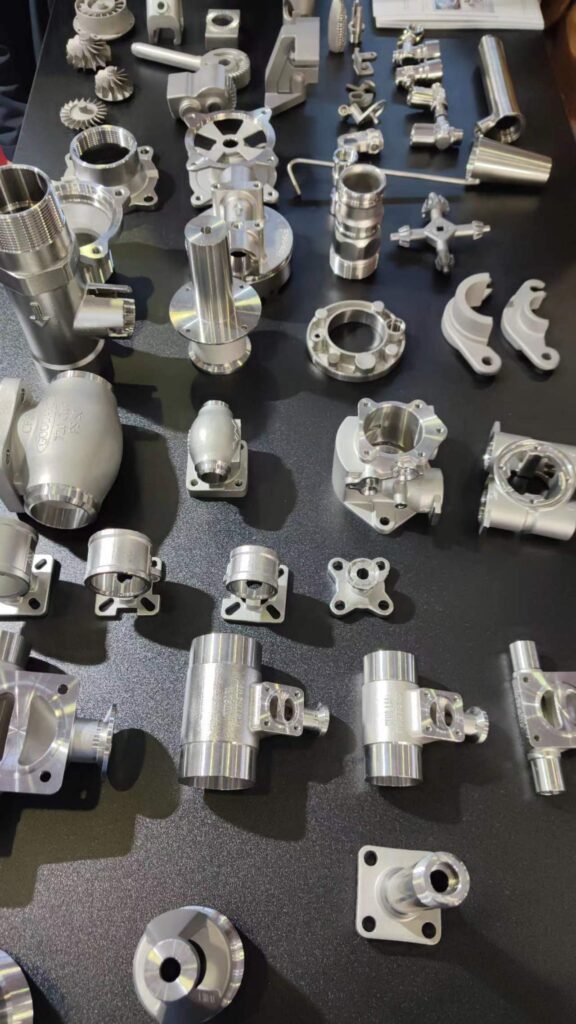
A metal component drawing should include the following essential elements to ensure clarity, manufacturability, and compliance with industry standards: 1. Title Block Contains critical information: Part name/number Material specification (e.g., “Stainless Steel 304”) Drawing scale (e.g., 1:2) Revision history (dates and changes) Company name, designer, and approval signatures. 2. Orthographic Views Primary views: Front, top, side, and […]
How To Bend Sheet Metal
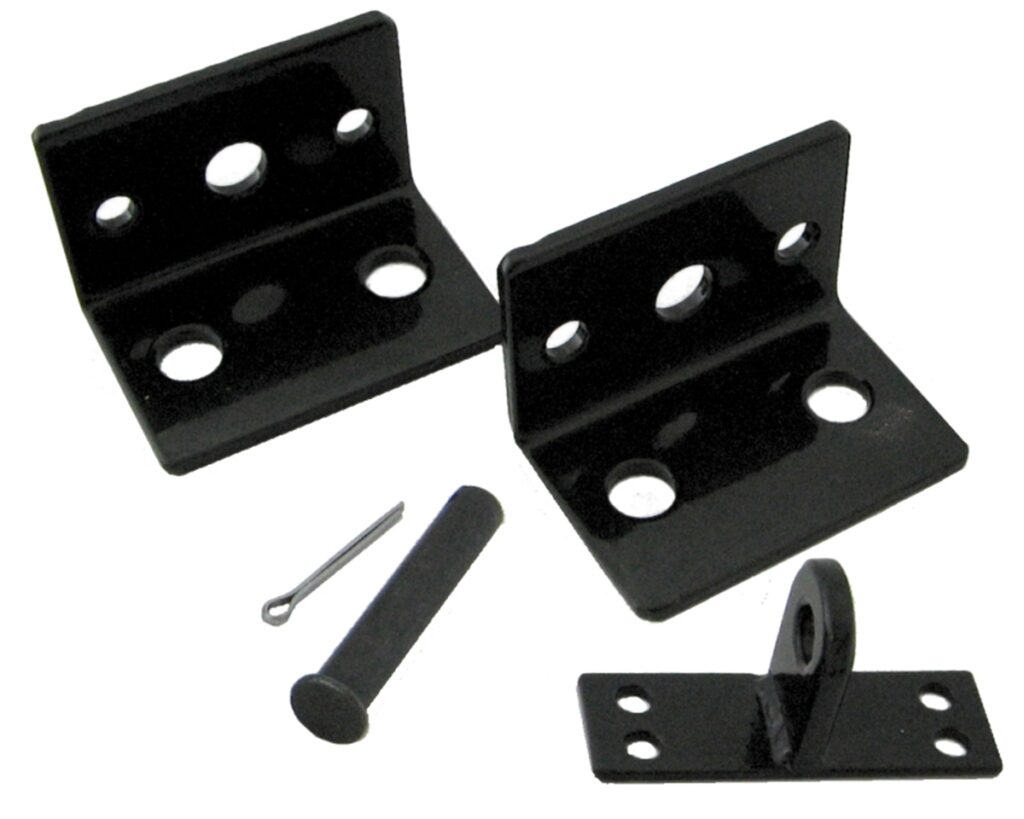
Bending sheet metal is a common practice in both industrial and craft settings, requiring precision and careful planning. Here’s a concise step-by-step guide on how to achieve effective bends: Preparation: Select the appropriate metal sheet based on your project requirements. Common choices include aluminum, steel, and copper due to their pliability and strength. Marking: Clearly […]