Metal Stamping
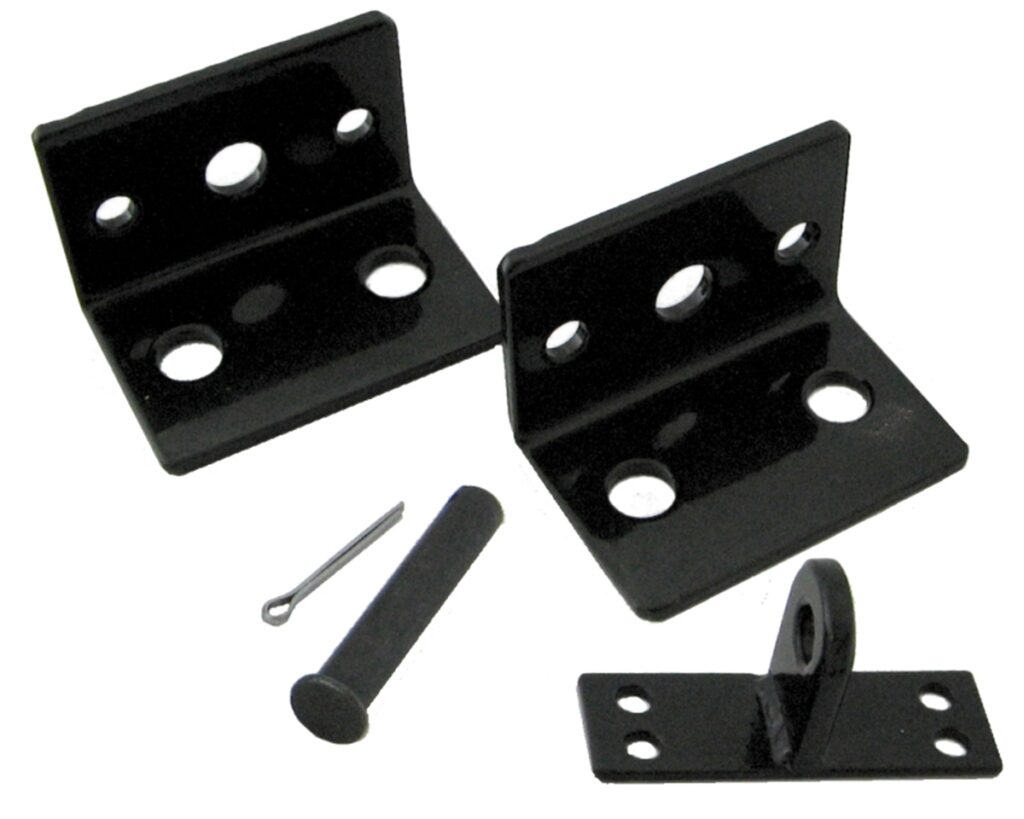
Metal stamping is a type of cold manufacturing procedure that’s purposely used to produce metal sheets into different forms, shapes, and styles of metal. The common misconception that people have with metal stamping is that it is the process of stamping any type of text or design into it. In simpler terms, it is […]
Primary Methods for Preventing Rust on Metal Parts
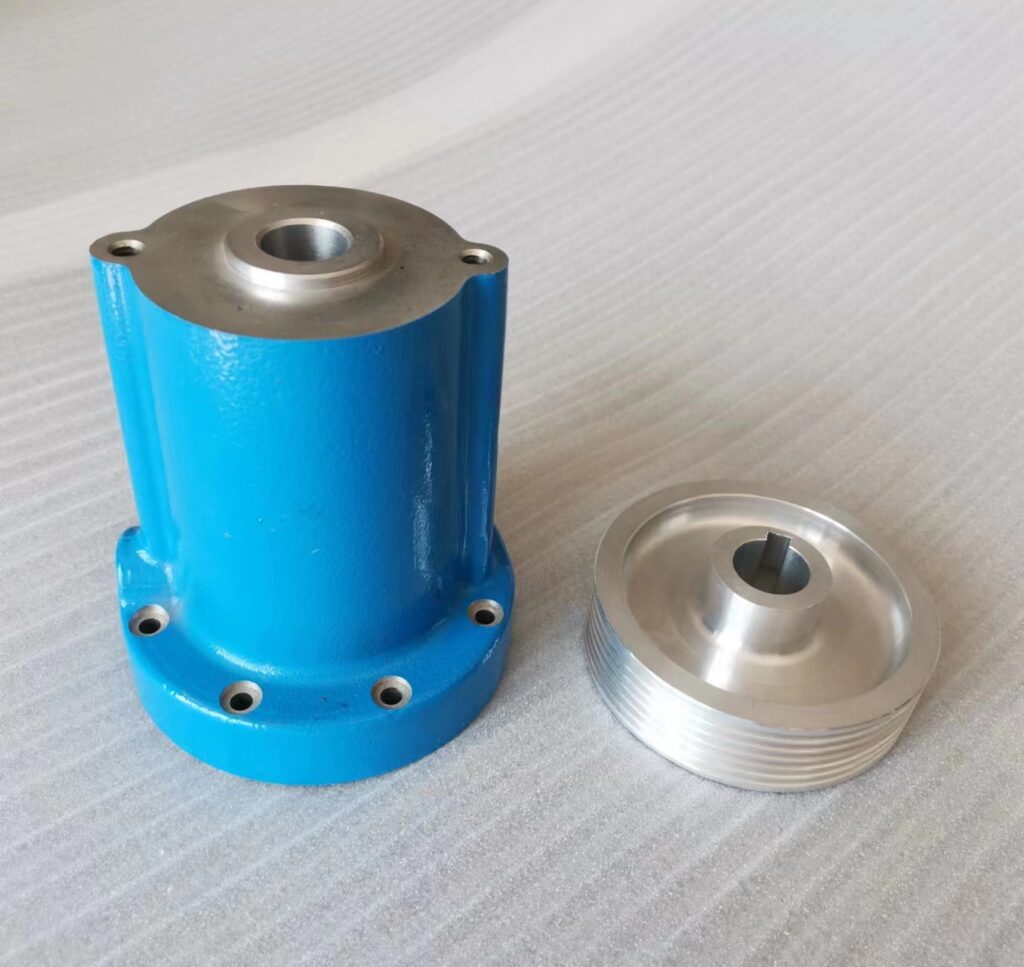
1. Protective Coatings Paints/Powder Coatings: Create a physical barrier against moisture and oxygen. Epoxy, polyurethane, and enamel paints are common. Powder coating offers superior durability. Metal Plating: Electroplating with corrosion-resistant metals: Zinc (Galvanizing): Sacrificial anode protection for steel. Nickel/Chrome: Decorative and corrosion-resistant. Cadmium: Used in aerospace/military (toxic, requires care). Anodizing (Aluminum): Forms a thick, protective oxide layer via electrolysis. 2. Barrier Films & […]
Enhanced Cutting in Harsh Environments
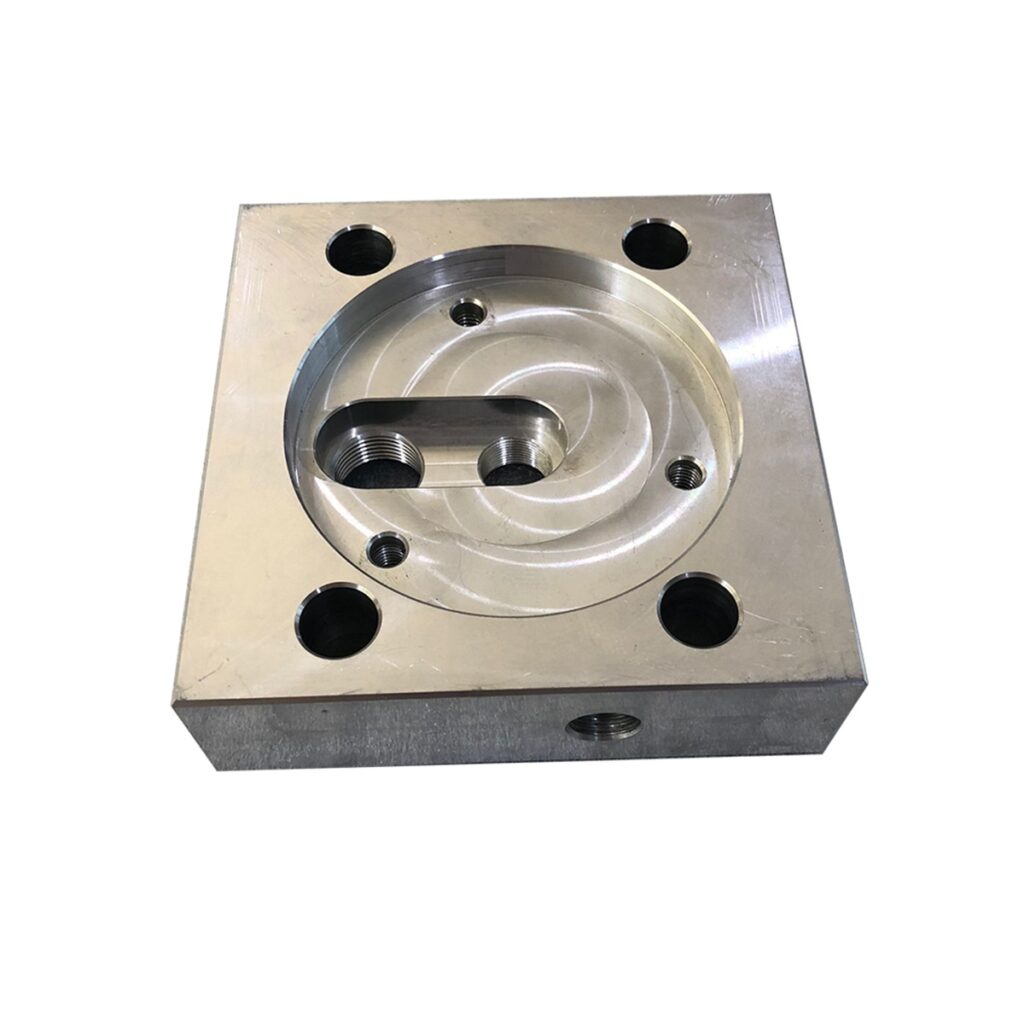
The first and probably the best benefit of CNC plasma cutting is the better and higher quality of cuts. Unlike laser cutters, which require clean and controlled environments, plasma cutting performs well in rugged industrial settings. CNC plasma cutters function efficiently and effectively in dusty, humid, or high-temperature conditions; ideal for field applications such as […]
How The Tariff Window Period Impacts China’s Import-export Dynamics

The tariff window period significantly impacts China’s import-export dynamics, driving short-term surges in trade, reshaping supply chains, and accelerating strategic adjustments. Based on recent developments (as of June 2025), here’s a concise analysis: 1. Surge in Exports (“Front-Loading Effect”) Accelerated Shipments: During tariff windows, Chinese exporters rush to fulfill orders before higher tariffs take effect. […]
CNC Plasma Cutting Machine
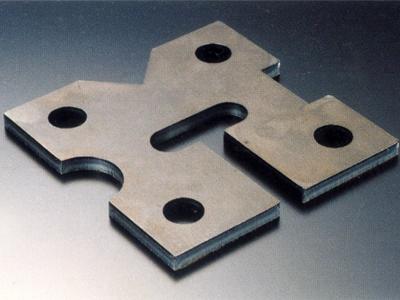
Do you now know and better understand the process of how all the different pieces and components work? If yes, then let’s go ahead and discuss the machine used to conduct the operations. CNC plasma cutting machines are automated systems that use a high-temperature plasma arc to cut through parts and components with accuracy […]
Metal 3D Printing
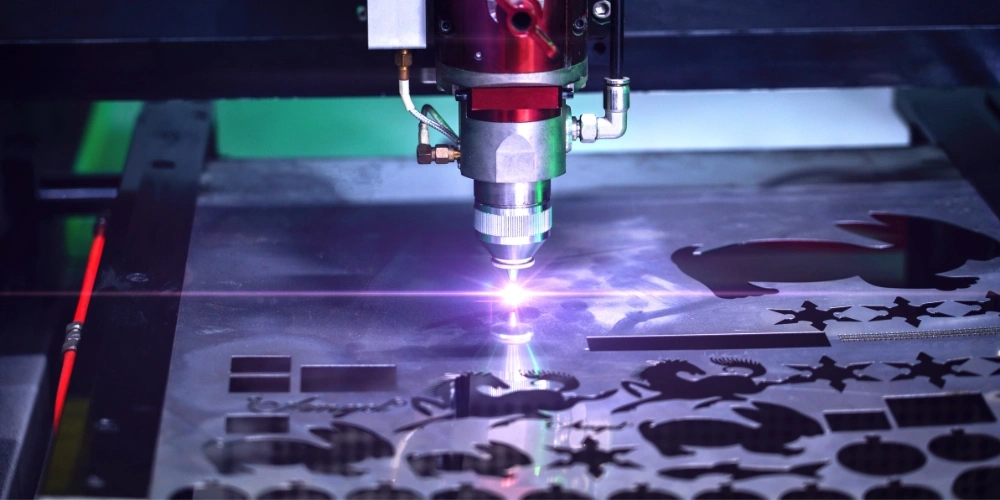
Here’s a comprehensive overview of metal 3D printing, covering key technologies, processes, materials, and applications: Core Terminology Metal Additive Manufacturing (AM) Direct Metal Printing Metal 3D Printing Primary Technologies 1. Powder Bed Fusion (PBF) Selective Laser Melting (SLM) Fully melts metal powder layer-by-layer using a high-power laser. Produces near-fully dense parts (≥99.9%). Common for reactive metals […]
What is CNC Plasma Cutting?
In a nutshell, CNC plasma cutting is a subtractive process using plasma as the cutting material. The term “CNC,” refers to the machine being used. What this means is, the machine uses a plasma torch and moves in a direction controlled by the computer, allowing workers to focus just in setting it up. With […]
Emerging Processing Technologies for Metal Components
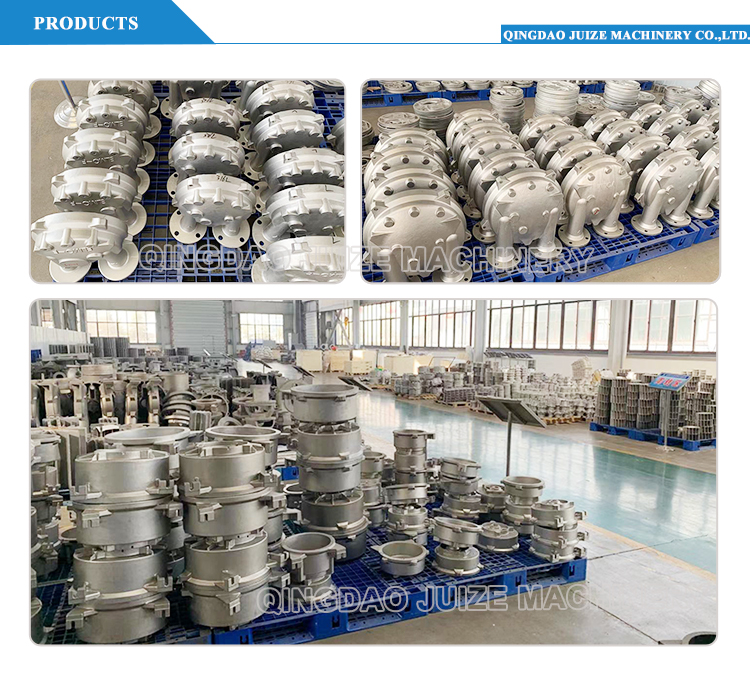
Here’s an overview of emerging processing technologies for metal components, highlighting key innovations and their industrial significance: 1. Additive Manufacturing (AM) of Metal Parts Powder Bed Fusion (PBF): Laser-Based (SLM/LPBF): Uses high-power lasers to selectively melt metal powder layers (e.g., titanium, Inconel). Achieves complex geometries (e.g., internal channels, lattice structures) impossible with traditional methods. Post-process heat […]
What is rapid prototyping?
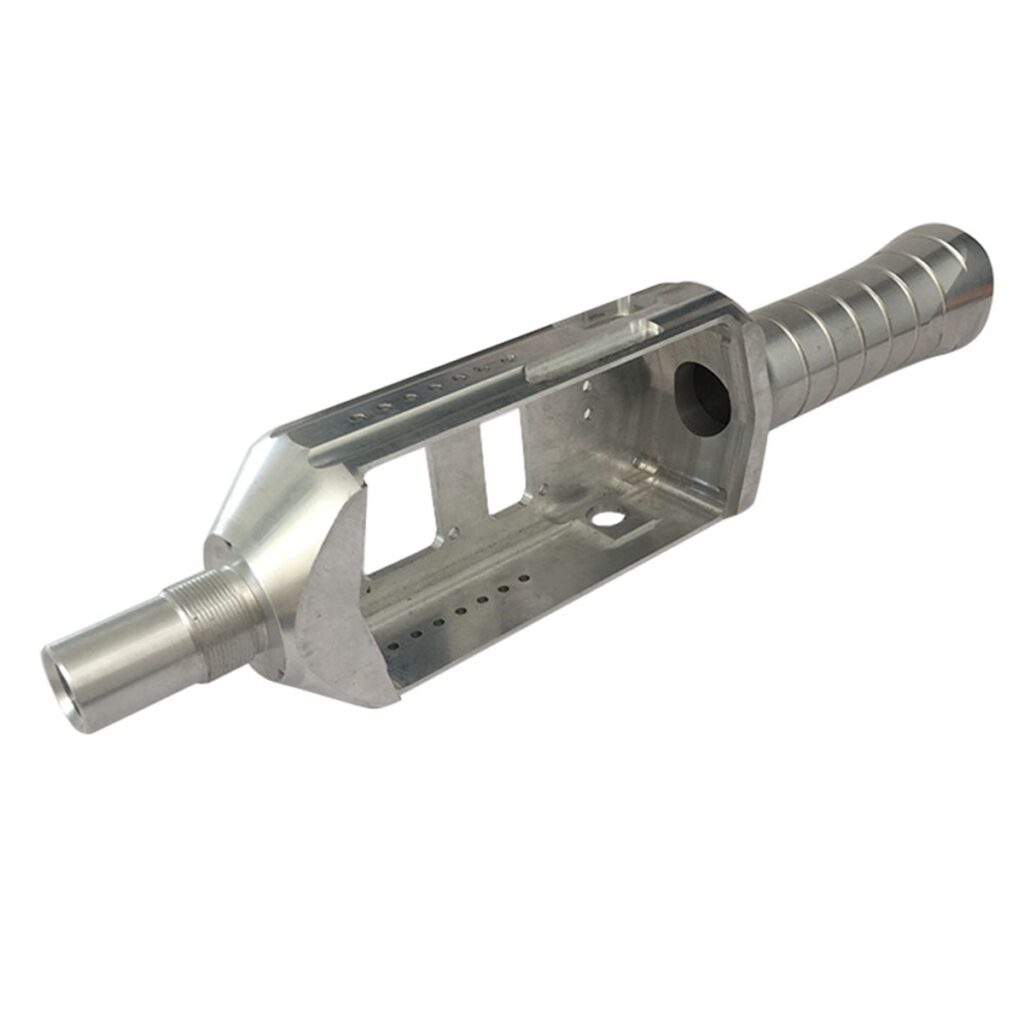
When we say “rapid prototyping”, it is a procedure that will let you produce a part rapidly and examine the capability and the possibility of error prior to ultimate fabrication. It can also be completed using different practices like CAD, 3D printing, CNC machining, etc. CNC Rapid Prototyping is a well-known method (also known […]
Parts Inspection Tools

Purpose & Function: These tools are used to examine, measure, test, and verify the quality, specifications, dimensions, functionality, and integrity of parts or accessories. Their goal is to ensure components meet design requirements, standards, and are free from defects before assembly or sale. Key Methods & Technologies: Dimensional Measurement: Calipers, micrometers, coordinate measuring machines (CMM), optical comparators, profilometers, gauges (go/no-go). […]