Cold Drawing
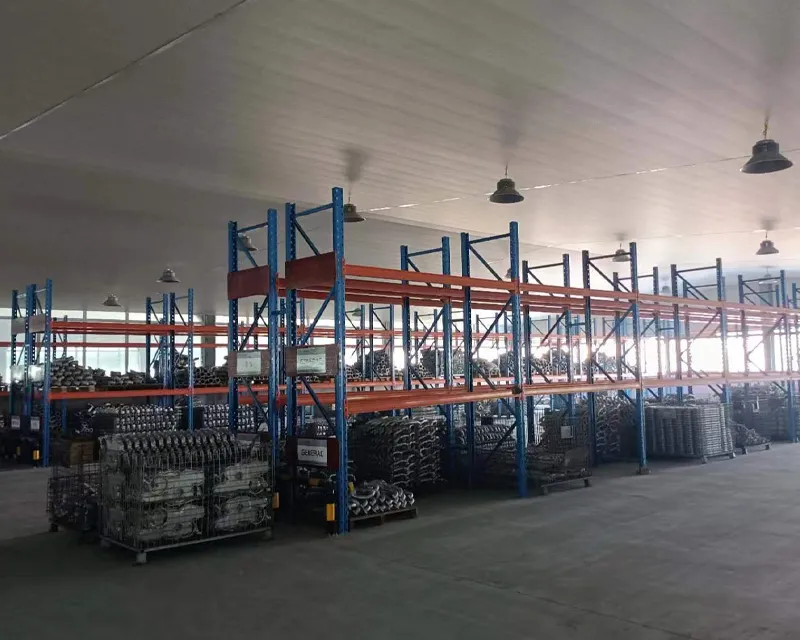
Cold Drawing: A Precision Metal Forming Process Cold Drawing is a fundamental metalworking process used to reduce the cross-sectional area and increase the length of metal stock (wires, rods, tubes, bars) by pulling it through a converging die at room temperature or slightly elevated temperatures (significantly below the metal’s recrystallization point). It’s a type of cold working or strain hardening. Key Characteristics Temperature: Performed cold (ambient […]
Key Differences between Forging and Casting
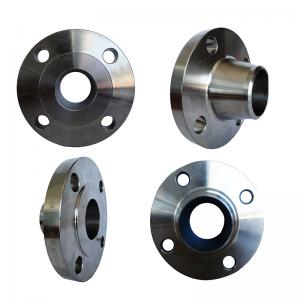
Feature Forging Casting Grain Structure Forging keeps the grain aligned with the shape of the part, which improves its strength. This forms a new crystalline structure, which can lead to porosity and weaken the part from the inside. Strength & Durability Forged parts have better tensile strength, fatigue resistance, and impact toughness. Cast parts generally […]
Rubber Component Processing Methods

Here’s a comprehensive overview of rubber component processing methods: Rubber Component Processing Methods Rubber manufacturing transforms raw elastomers into functional components through distinct stages. Key processing methods include: 1. Mixing & Compounding: * Purpose: Homogenize raw rubber with additives (fillers, curatives, oils, antidegradants). * Primary Equipment: * Internal Mixers (e.g., Banbury Mixers): High-intensity, enclosed mixers for efficient large-scale compounding. * Open […]
What is Casting?

Process In the casting process, a metal is heated until it melts. The molten metal is then poured into a mold, which can be made of sand, metal, or ceramic. After that, the metal is allowed to cool down, and it takes the shape of the mold. When it is done cooling, the mold […]
Metal Surface Treatment Processes
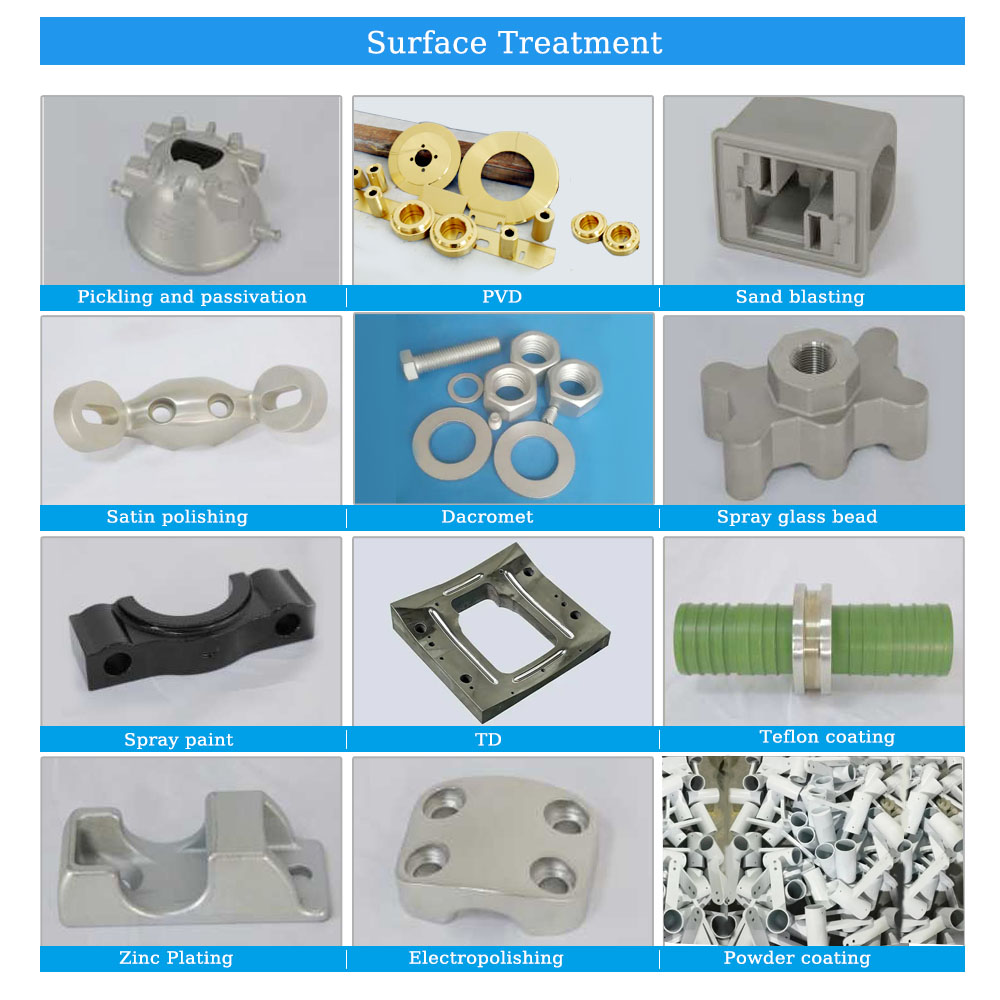
Here’s a comprehensive overview of metal surface treatment processes, categorized by their primary function and mechanism: Purpose of Surface Treatment: Corrosion Protection: Forming barriers against environmental degradation. Wear & Abrasion Resistance: Increasing surface hardness and durability. Improved Aesthetics: Enhancing appearance (color, gloss, texture). Enhanced Adhesion: Preparing surfaces for painting, bonding, or coating. Altered Electrical Properties: Improving conductivity or providing […]
What is Forging?

Process The forging process involves heating the metal, then pressing or hammering it into shape. It starts by cutting a metal billet to the needed size. The billet is then heated in a furnace until it becomes very hot. Once it is hot, the billet is placed between two dies. A press or hammer is […]
Nickel Alloy
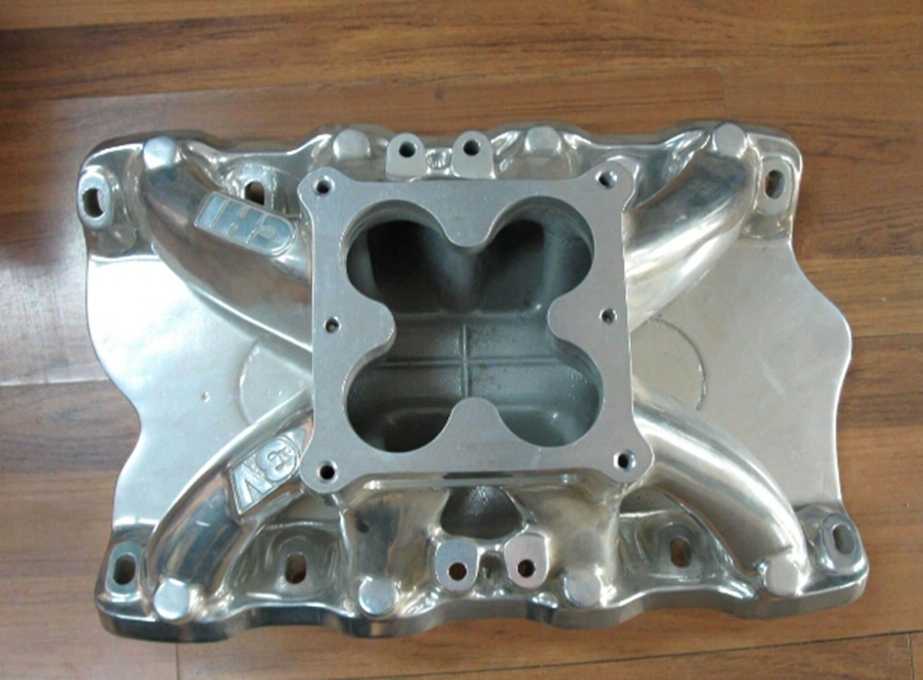
Nickel Alloy: A metallic material composed primarily of nickel (Ni), intentionally combined with one or more other alloying elements (such as chromium, iron, molybdenum, copper, cobalt, titanium, aluminum, etc.). The purpose of alloying is to achieve specific properties that pure nickel alone does not possess sufficiently. (Key Characteristics): Exceptional High-Temperature Strength and Stability: Many nickel alloys retain significant strength and […]
Advantage analysis of Bead Blasting

Bead Blasting Advantages Bead blasting is gentle. It won’t change the part’s shape or size. The finish looks better because it is uniform and polished. It is much safer because it doesn’t create harmful silica dust. Bead Blasting Disadvantages Bead Blasting is much slower because of low air pressure, which makes it less effective […]
Advantage analysis of Sand Blasting

Sand Blasting Advantages Sand blasting removes rust, paint, and buildup fast. The media is cheap and easy to find. It covers large areas in less time. It is very effective for rough surfaces as opposed to parts that need a smooth finish. Sand Blasting Disadvantages It is very aggressive and too harsh for thin […]
Key Standards and Concepts for Metal Part Surface Roughness

Here’s an overview of key standards and concepts for metal part surface roughness. Core Standards Organizations: ISO (International Organization for Standardization): The primary global source. ISO 21920-1:2021: Geometrical product specifications (GPS) — Surface texture: Profile — Part 1: Indication of surface texture in technical product documentation (Replaces ISO 1302:2002). This is the fundamental standard for specifying roughness symbols, parameters, and […]