Key Elements of a Process Flow Chart
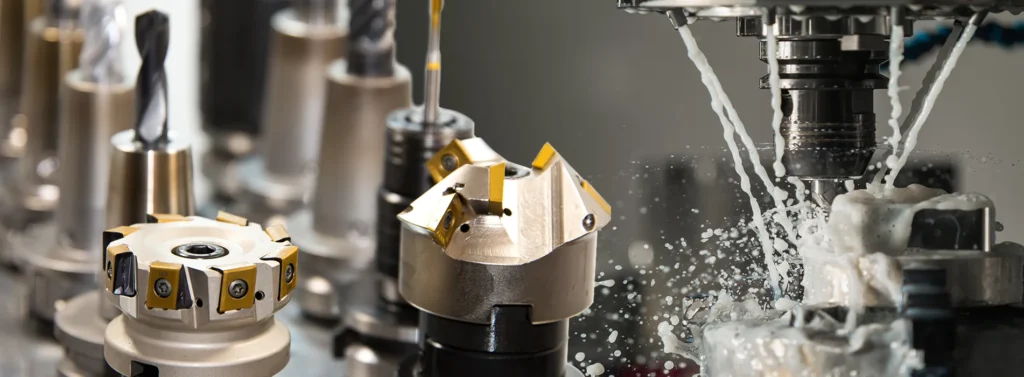
A process flow chart (or flowchart) is a visual representation of the steps, sequences, and decisions involved in a process. Its core purpose is to communicate how a process works clearly and concisely to all stakeholders. The essential elements can be broken down into two main categories: Symbols (Shapes) and Connecting Elements & Best Practices. Core Symbols (The […]
Process Control in Hot Forging

Hot forging is a complex metal forming process where metal is shaped at high temperatures (typically above the recrystallization temperature). Precise control over every step of the流程 (process flow) is critical to achieving parts with the desired mechanical properties, dimensional accuracy, and microstructure, while minimizing defects and production costs. The control strategy can be broken […]
Aluminum surface finishing and laser engraving effects
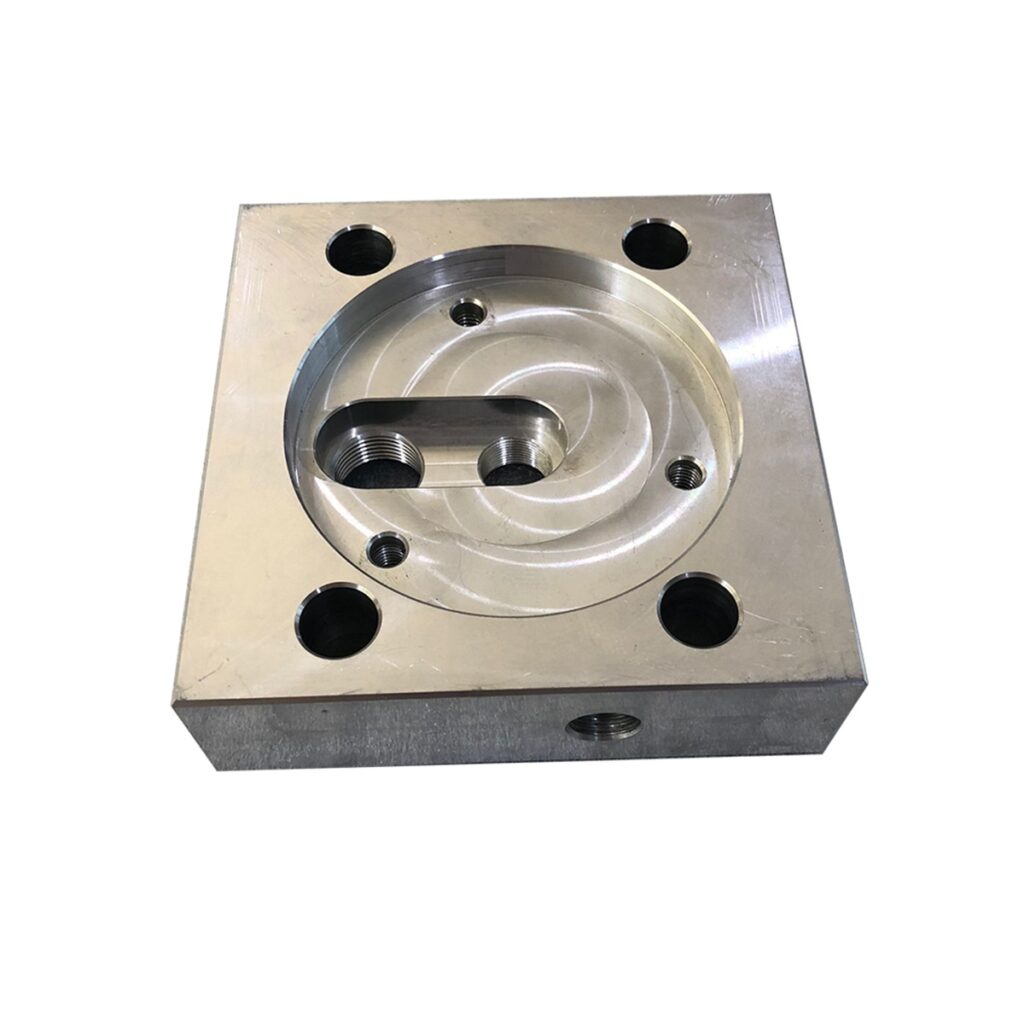
The laser engraving effect on aluminum material does not depend on the type of substrate, but rather on its surface finishing condition. Here are three kinds of aluminum with different surface treatments that are commonly used for laser engraving: Anodized aluminum Based on the anodizing process, the thickness of the anodized layer typically ranges […]
The Performance Advantages of Brass Alloy
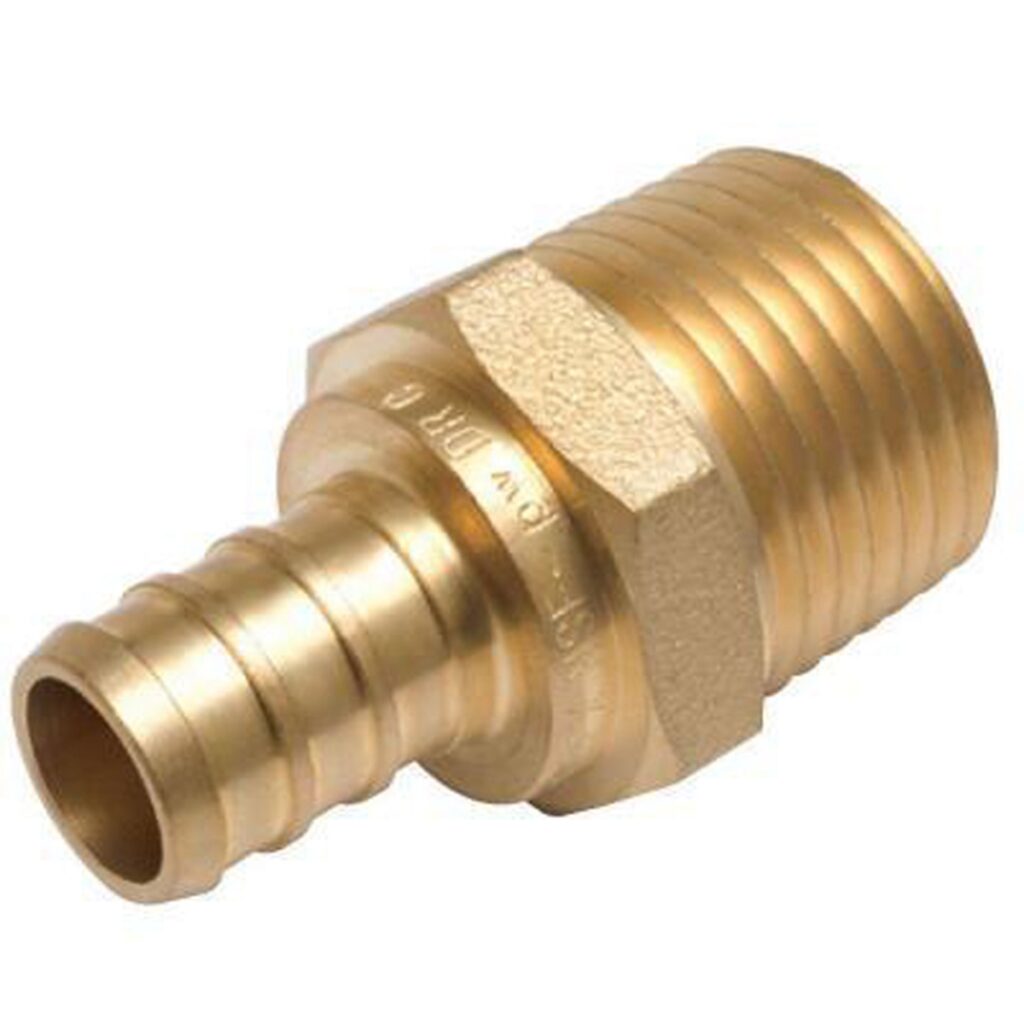
Brass, an alloy primarily composed of copper (Cu) and zinc (Zn), is one of the most versatile and widely used copper-based alloys. Its properties can be finely tuned by varying the proportions of copper and zinc and by adding other alloying elements like lead, tin, aluminum, or silicon. This results in a family of alloys […]
Normalizing vs. Annealing
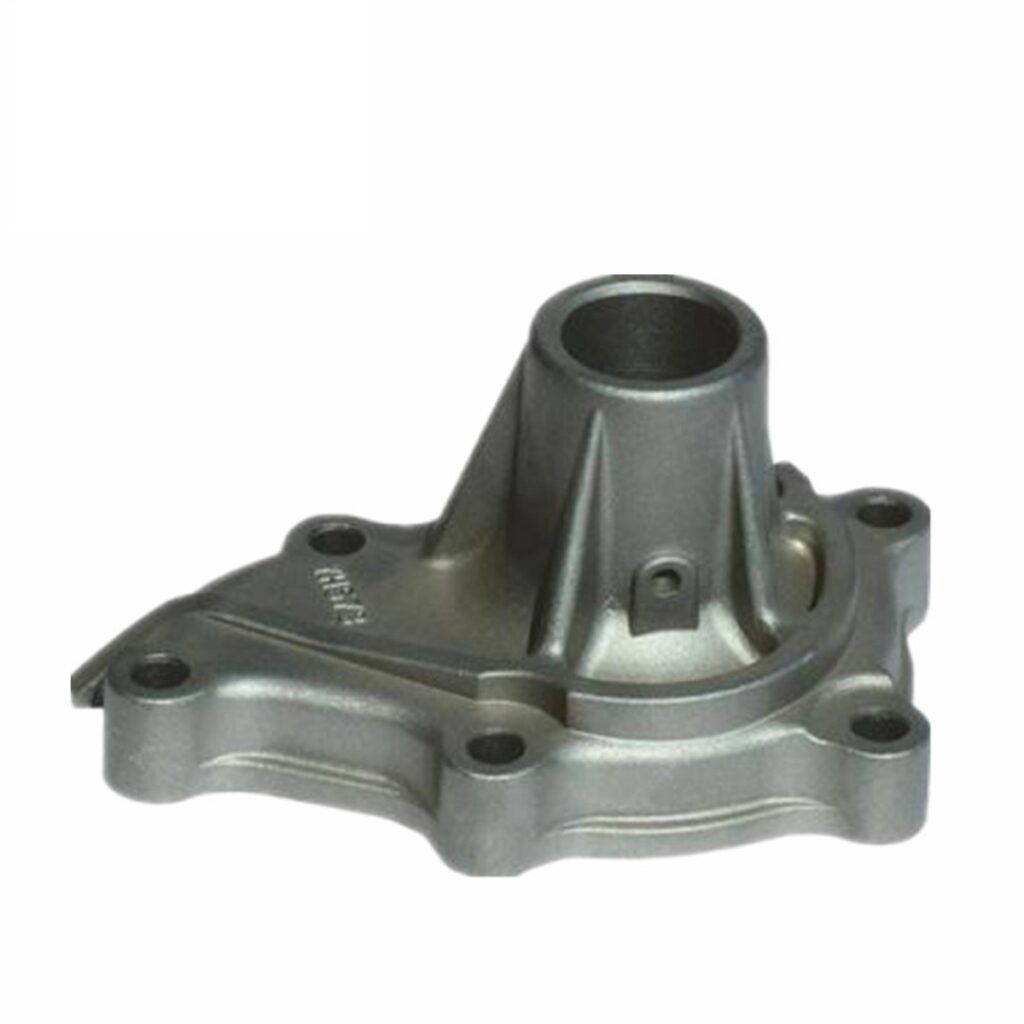
In this section, you learn about the difference between normalizing and annealing. Cooling Differences: One major difference between annealing and normalizing is the rate of cooling. During normalizing, we cool the material in still air to produce a fine and tough grain structure. On the other hand, the workpiece is slowly cooled inside the […]
Corrective and Preventive Actions (CAPA) in the Custom Processing Industry
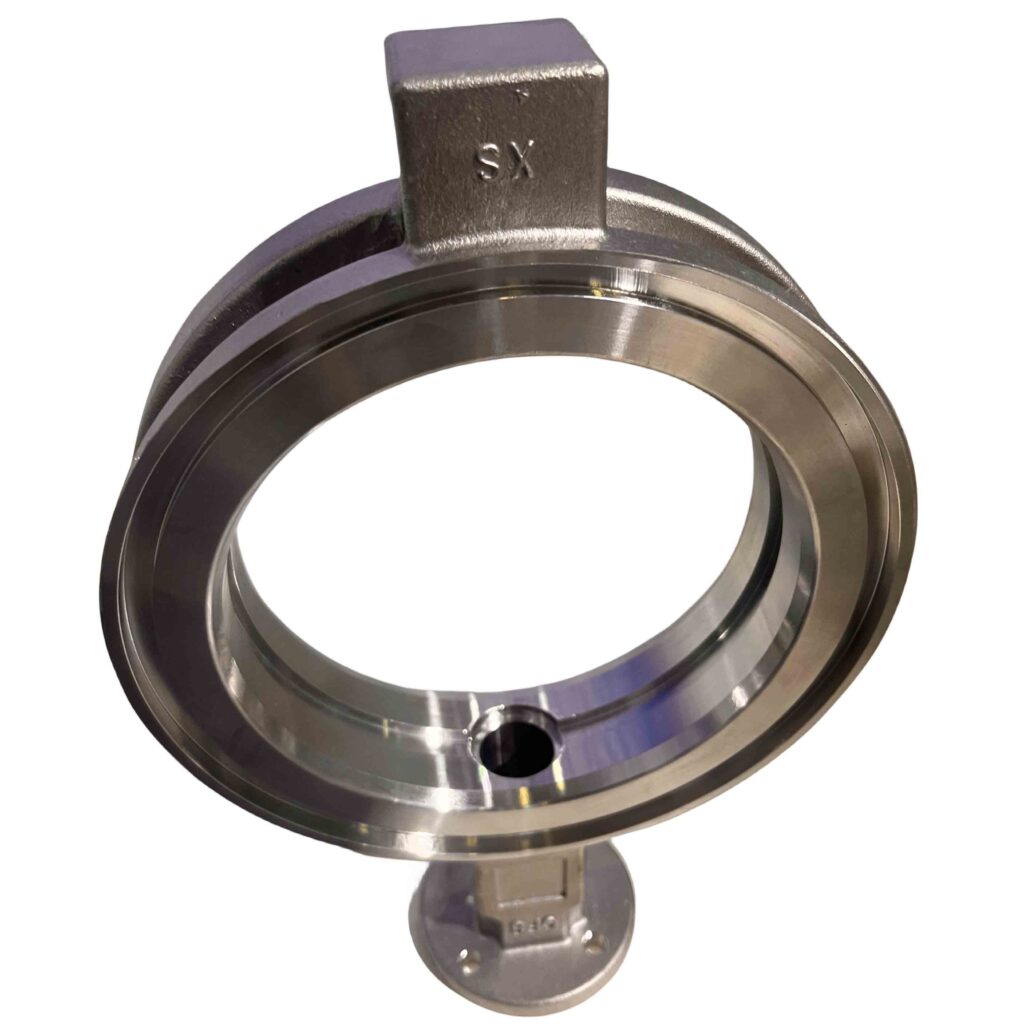
The custom processing industry, which includes job shops, CNC machining, precision molding, and specialty fabrication, is inherently defined by variable orders, unique specifications, and often, low-volume, high-mix production. This variability makes a robust CAPA system not just a quality standard (like ISO 9001) requirement, but a critical business practice for survival and growth. CAPA is […]
Types of Sand Casting
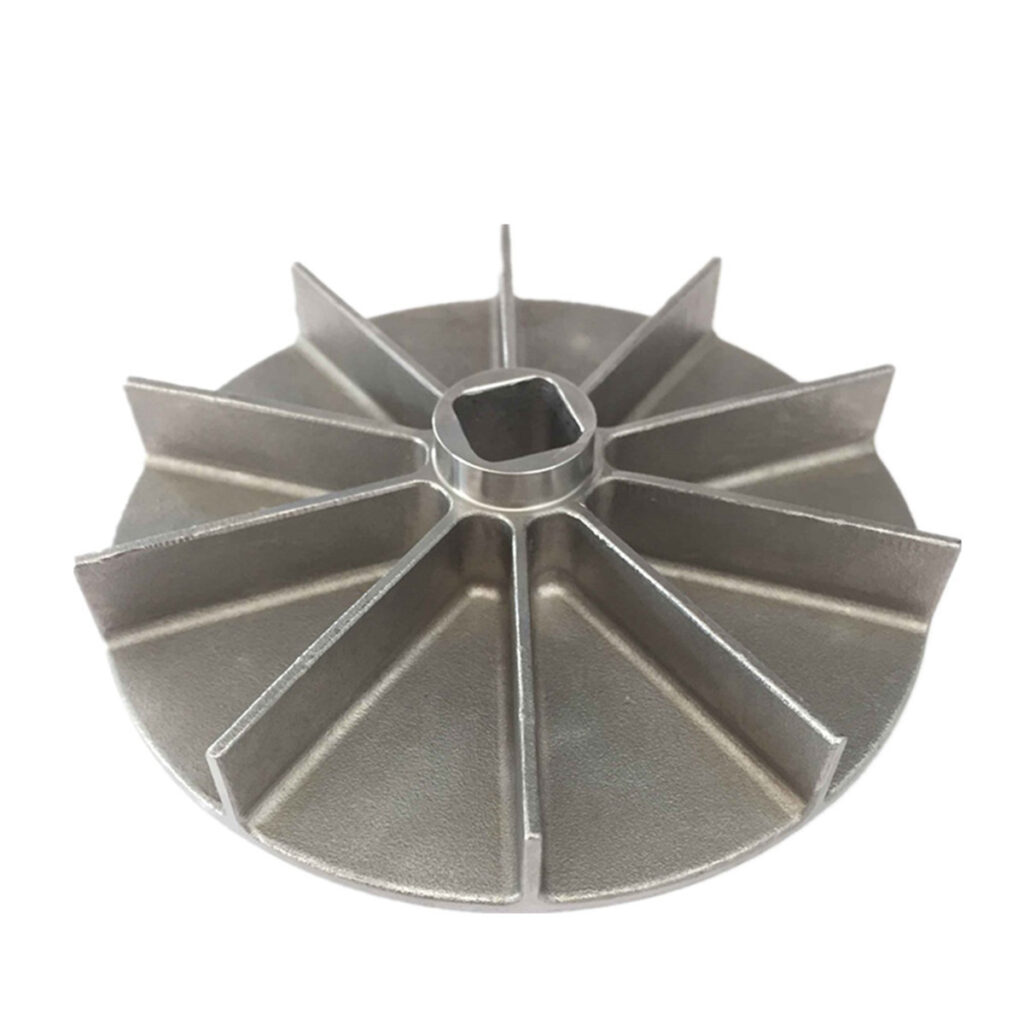
Sand casting is one of the oldest and most versatile metal casting processes. It involves creating a mold from a sand aggregate and pouring molten metal into the mold cavity. The different types are primarily classified based on the sand used and the method of mold production. 1. Classification by Sand Bonding Method & Mold […]
How the Normalizing Process Works
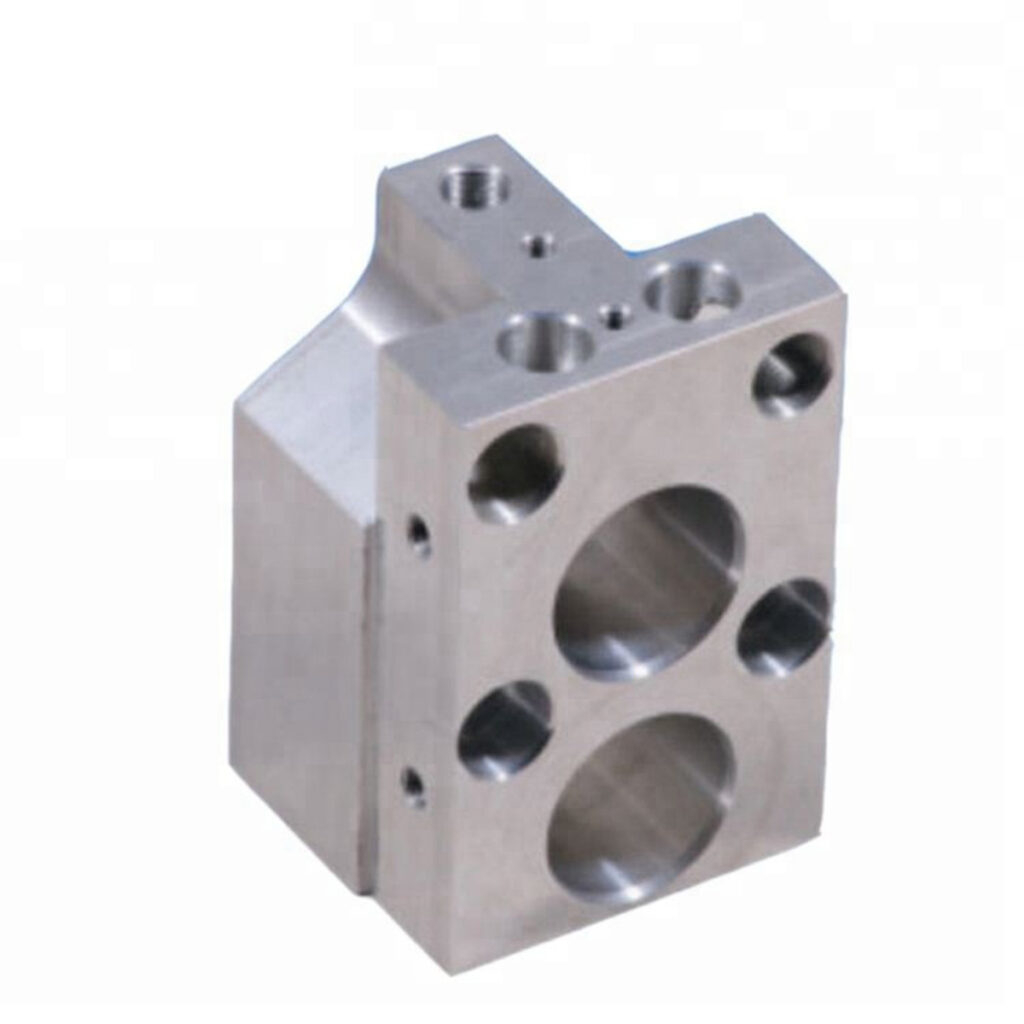
Normalizing is performed after fabrication techniques such as stamping or casting. This is because metals that have been quenched for hardness typically exhibit reduced ductility. Normalizing transforms your metal’s crystal structure to a ductile state, enhancing toughness and brittleness. Consequently, normalized steels and nickel alloys are easier to machine than their untreated counterparts. Normalizing […]
Hot Rolling Process

Hot rolling is a fundamental metalworking process where metal is plastically deformed above its recrystallization temperature. This key differentiator from cold rolling allows the metal to be shaped and formed more easily with less force, resulting in significant changes to its microstructure and properties. 1. The Core Principle: Recrystallization Temperature The recrystallization temperature is the critical […]
Common Applications of Heat Treatment
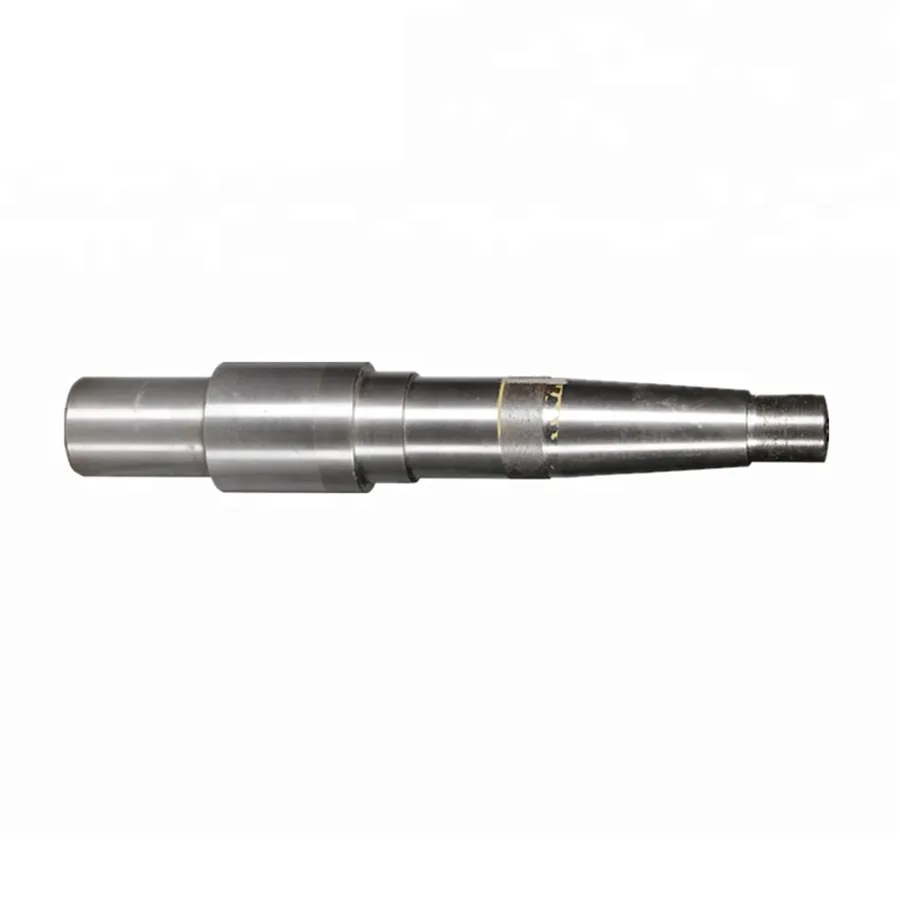
Automotives A lot of heat-treated parts are used in the automotive industry for their strength. Some of these parts are: Gears Crankshafts Axles These parts needed to be heat-treated because they usually carry heavy loads. If the process is not done, the parts would wear out quickly. Aerospace Parts used in aircraft usually […]