What Does CNC Prototyping Mean?
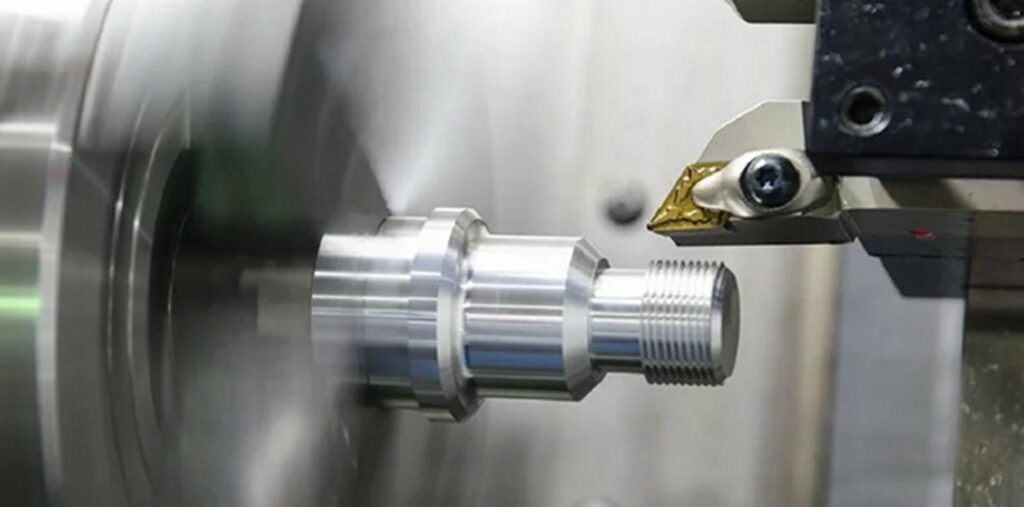
In the simplest of terms, CNC prototyping is a type of machining process that is used before producing or manufacturing a single piece or a small batch of a product. The necessity of CNC prototyping lies within the effectiveness and efficiency of a product. Let’s say that your product has successfully been market researched […]
Applications of CNC Prototyping
The idea behind CNC prototyping is so relevant that without it, many of the businesses and industries today would not prosper and continue to develop. To name and cite a few of the MANY different applications of CNC prototyping, they include: The Medical, Medicinal, and Pharmaceutical Industries Automotive, Motorcycle, and Aerospace Industries Military and Defense […]
The Advantages of Powder Metallurgy in Modern Manufacturing
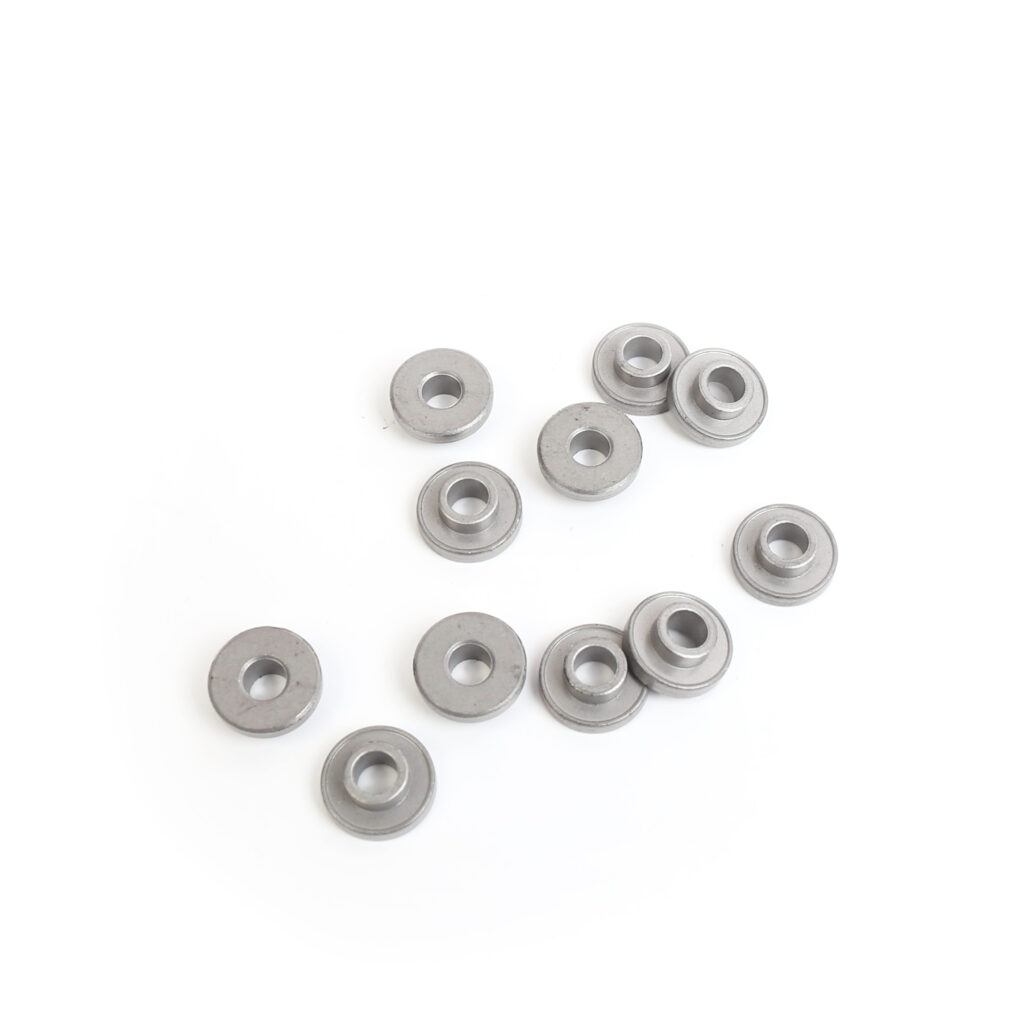
In today’s fast-evolving industrial landscape, selecting the right manufacturing process can significantly impact product performance, cost, and lead time. At Juize Machinery, while we excel in casting, forging, machining, and stamping, one of our standout capabilities is powder metallurgy (PM) – a versatile and efficient method that continues to gain traction across industries. What is Powder […]
Advantages of CNC Machining Prototyping
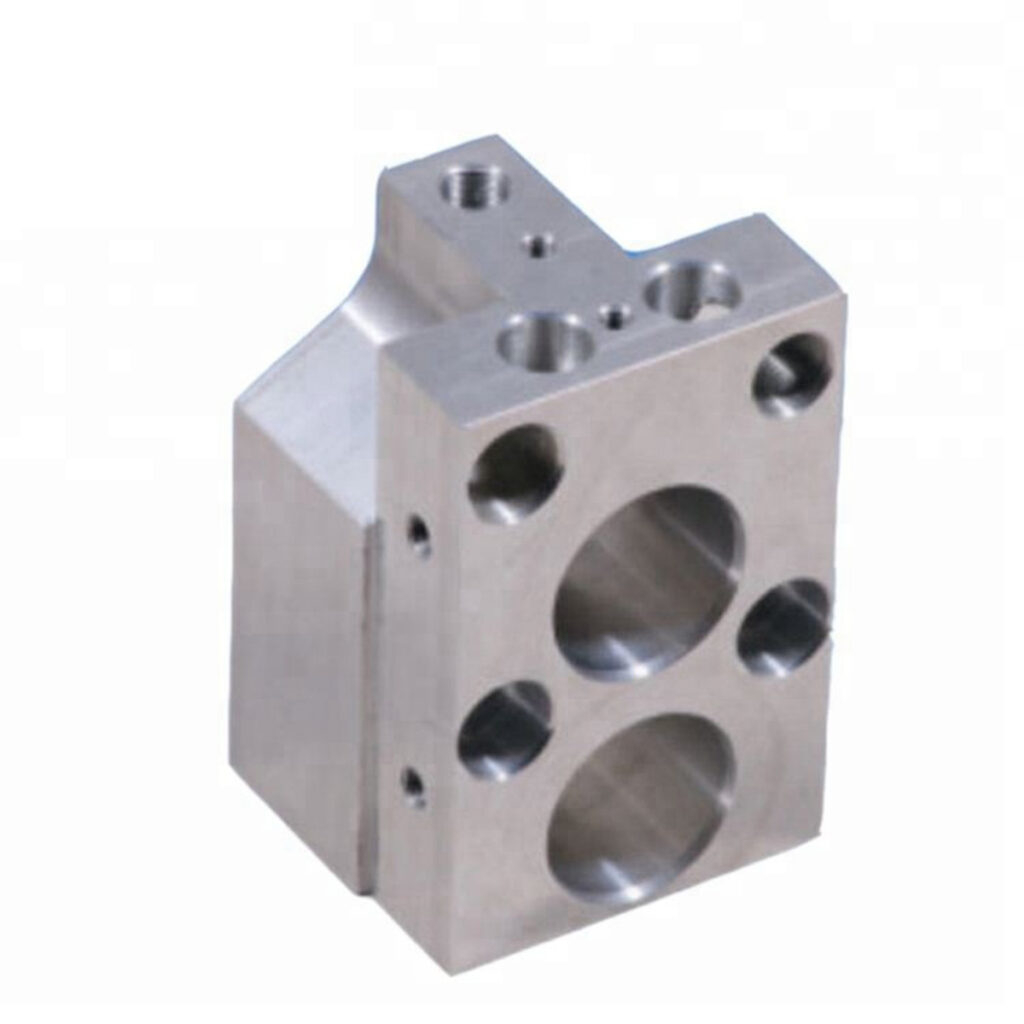
CNC machining prototyping has its own fair share of pros or advantages. The most common of these are: The prototypes are highly precise and accurate All processes have urgency They’ll surely be compatible with a lot of different materials and components Quality will never be an issue
The Synergy of Multiple Metalworking Processes in Complex Component Manufacturing
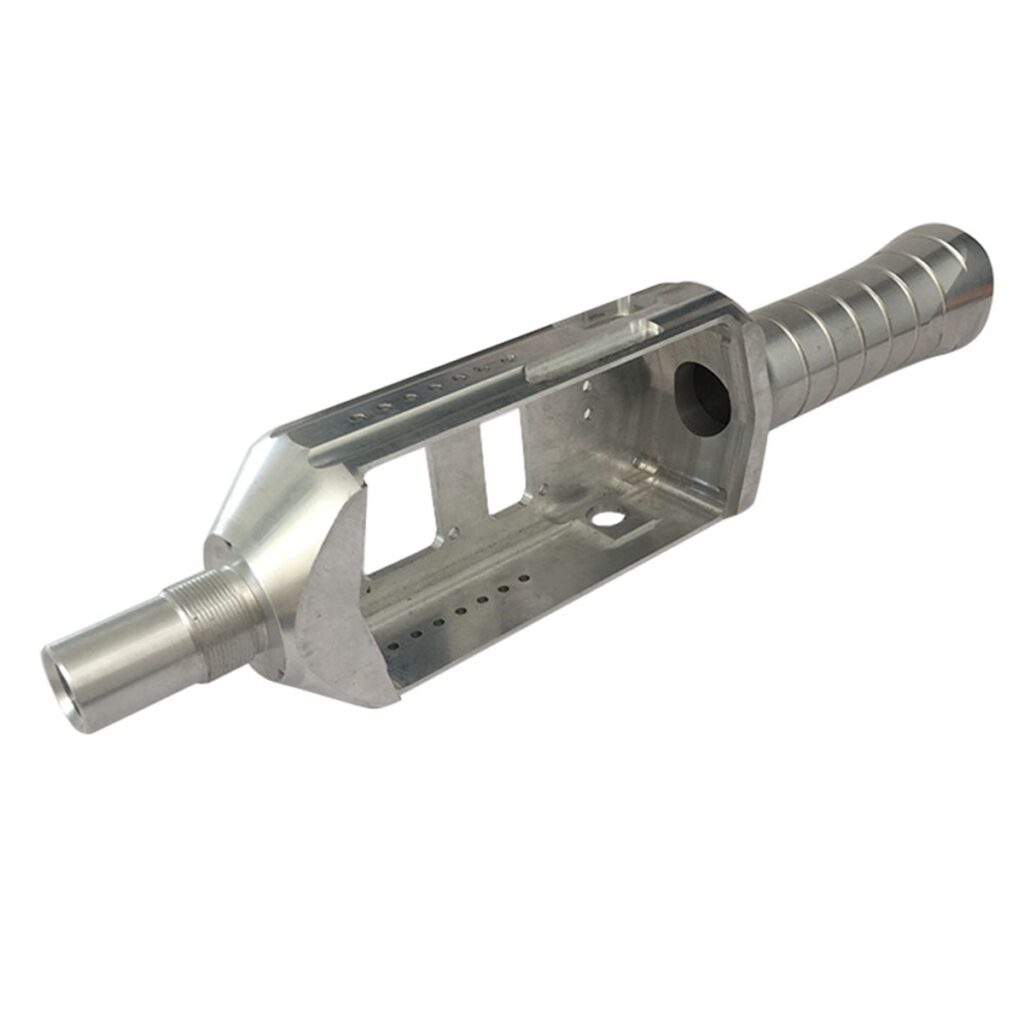
In the world of precision metal parts manufacturing, no single process holds the answer to every design challenge. The most durable, efficient, and cost-effective components are often the result of a strategic combination of different manufacturing techniques. At JUIZE, our expertise as a one-stop supplier across casting, forging, stamping, and precision CNC machining allows […]
Steps in CNC rapid prototyping
Design planning- the initial step in CNC rapid prototyping. This may incorporate dimensioning and placing the detail, planning for the fabrication and assembly, etc. Creation of 3D files- the chosen styles are turned into a 3D file, which characterizes the configurations, quality, and decorative specifications of the result component. Distinguishing of Manufacturing Sequence- […]
Materials for Intercooler
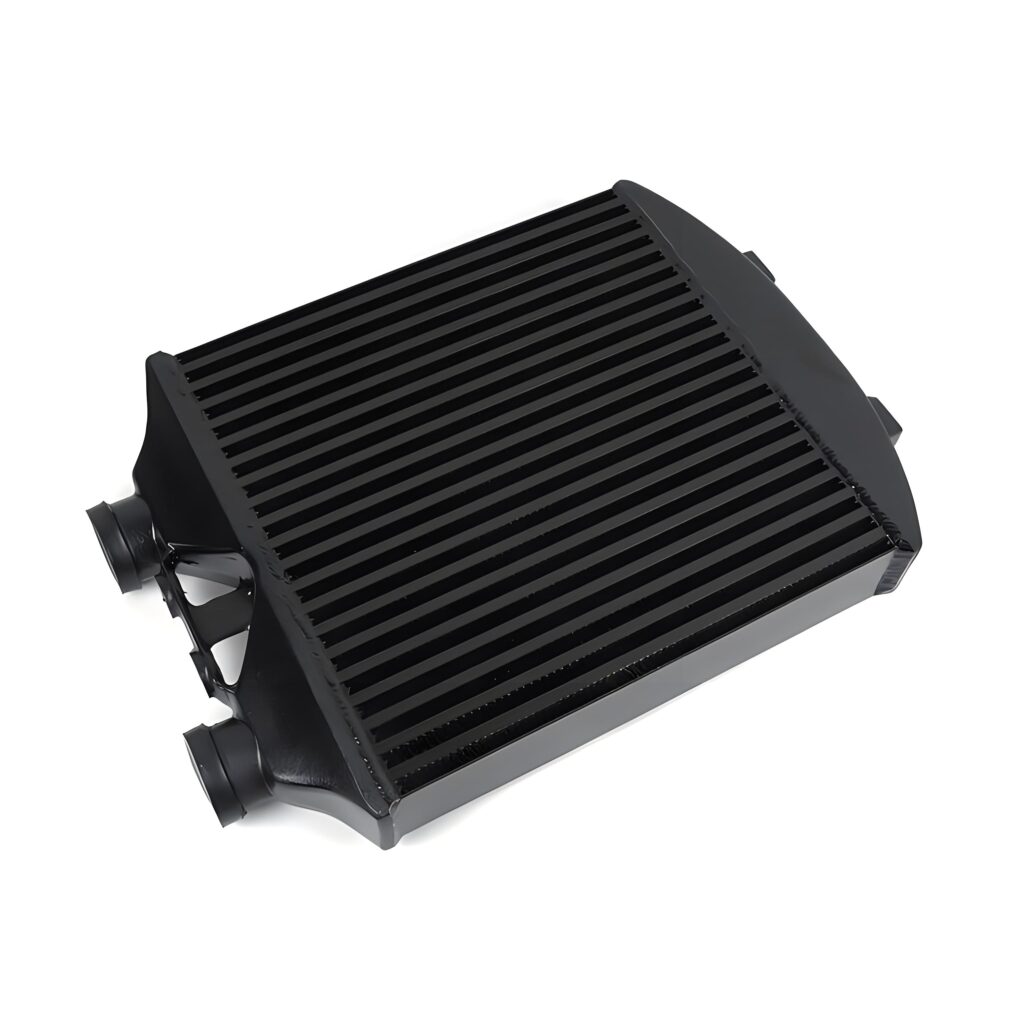
Core Function & Material Requirements An intercooler’s primary job is to cool compressed intake air from a turbocharger or supercharger. The ideal material must excel in: Thermal Conductivity: Efficiently transfer heat from the air to the fins and then to the ambient air. Strength & Durability: Withstand high pressure (boost), thermal cycling (heating/cooling), and vibration. Weight: Be as […]
Advantages of CNC rapid prototyping
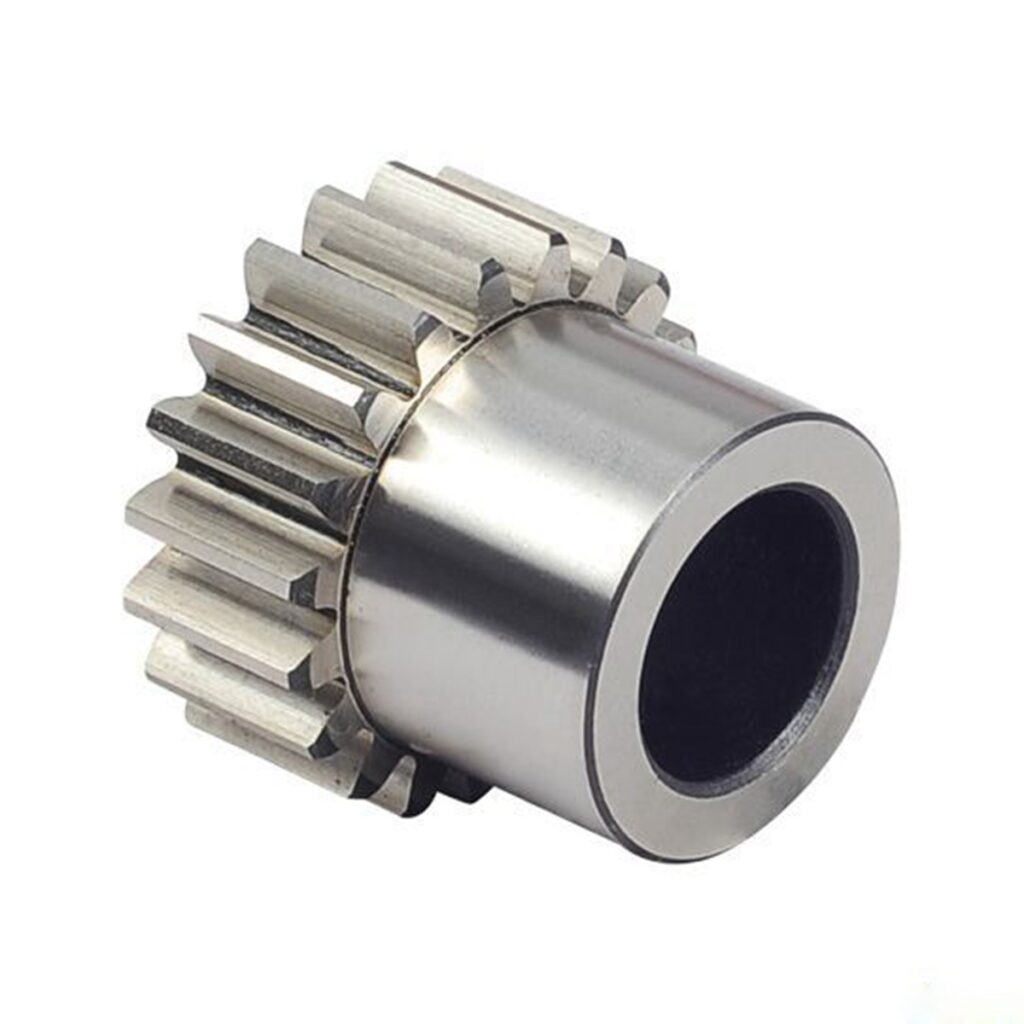
We may have a long list of prototyping methods in the field of machining, however, CNC rapid prototyping is one of the most credible. Thanks to its superiority, we can now enjoy the best prototyping process. Below are some of the advantages CNC rapid prototyping provides. Repeatability- CNC machines are a computer-controlled fabricating procedure. […]
Intercooler: Principle and Function
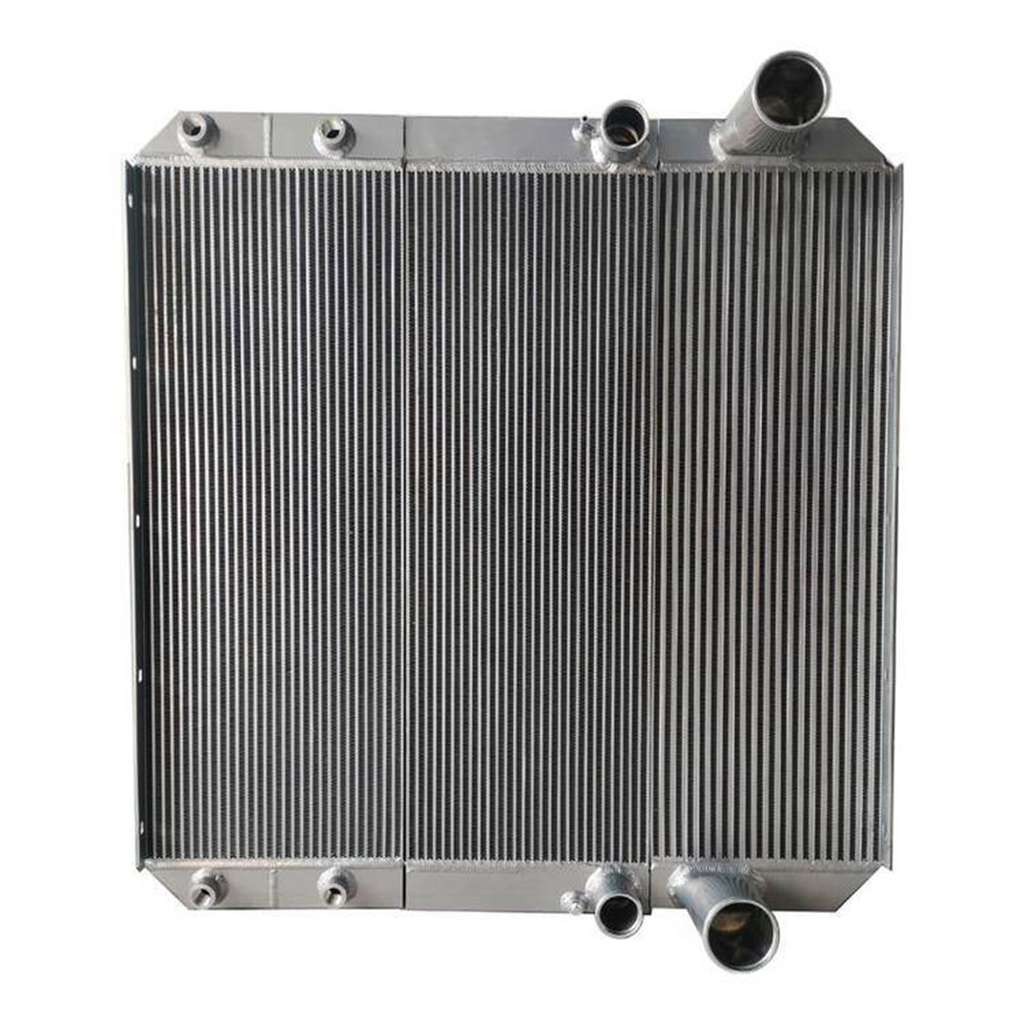
An intercooler is a mechanical heat exchange device used in forced-induction internal combustion engines, primarily those equipped with a turbocharger or supercharger. Its core purpose is to cool the compressed intake air before it enters the engine’s combustion chambers. Core Principle: The Gas Law The operation is fundamentally governed by the Ideal Gas Law (PV = nRT). When air […]
Powder Metallurgy: Key Application Scenarios
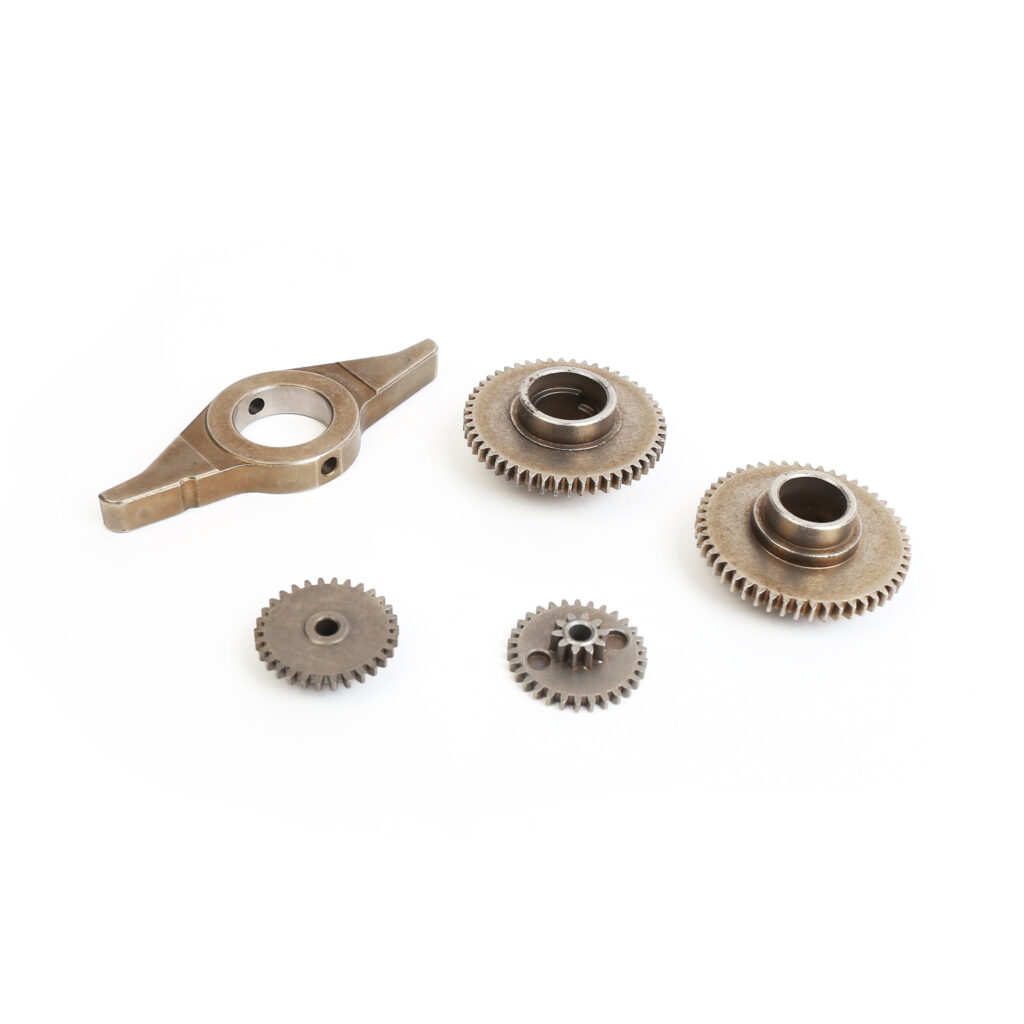
Powder Metallurgy (PM) is not a single-purpose technology but a versatile manufacturing platform selected for its unique combination of economic, design, and material advantages. Its use cases span virtually every industrial sector, primarily where complex geometry, material efficiency, controlled properties, and high-volume production intersect. Here is a detailed breakdown of its principal application domains. 1. Automotive Industry […]