The Backbone of Precision: Proper Fixturing in CNC Machining

In CNC machining, the cutting tool gets all the attention. But behind every accurately machined component lies an unsung hero: the fixture. This workholding device—often custom-designed for a specific part—determines whether machining succeeds or fails. At Juize Machinery, we treat fixture design as seriously as toolpath programming. As a Gold Verified Supplier on Alibaba, our machined components […]
The Cornerstone of Success: How Clear Communication Drives Manufacturing Excellence
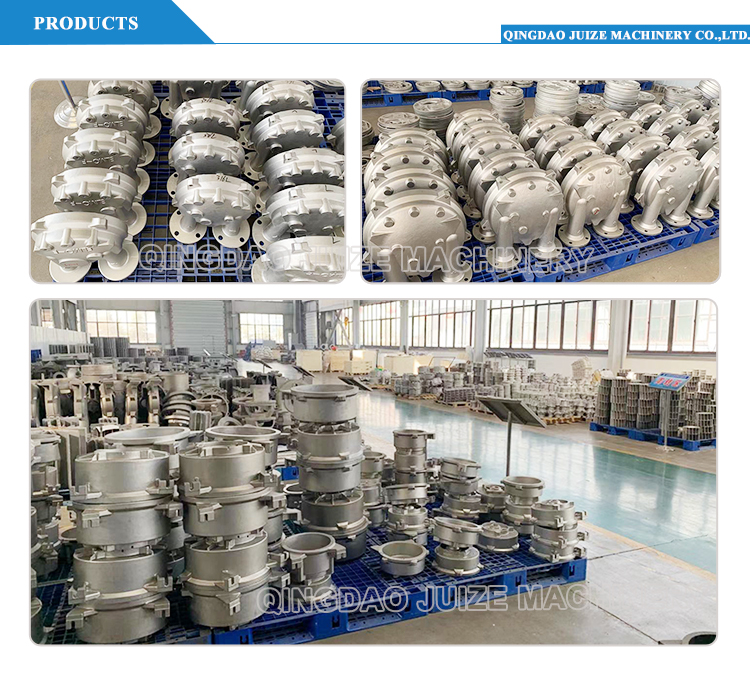
In the world of custom manufacturing, where complex specifications meet precise execution, one factor consistently determines project success or failure: communication. It is the invisible thread that connects your vision to our execution, your requirements to our quality controls, and your timeline to our production schedule. At Juize Machinery, we have built our entire operational philosophy around […]
Industries Benefiting from OEM CNC Machining
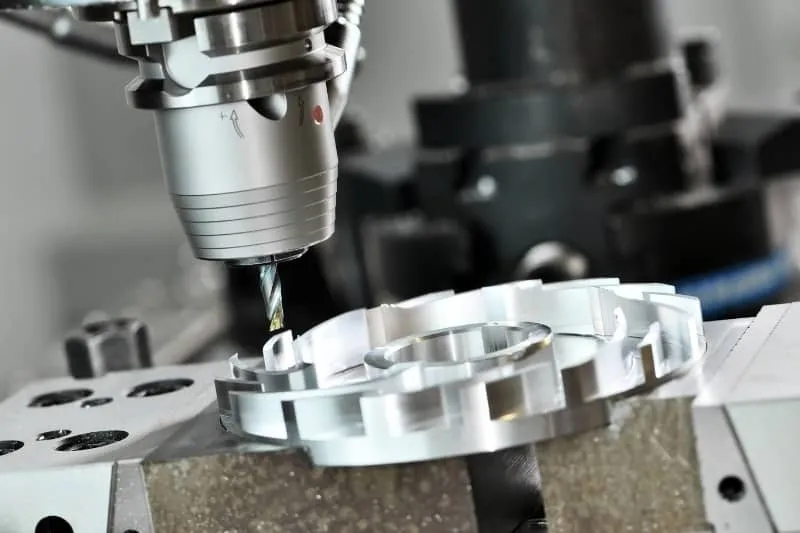
OEM CNC Machining proves indispensable across diverse industries. In aerospace, it ensures the precision of critical components for aircraft safety. Automotive manufacturers rely on it for enhanced vehicle performance, while the medical field benefits from intricate and customized components for devices. The electronics industry utilizes OEM CNC machining to manufacture precise components for electronic devices, […]
Standard Process of OEM CNC Machining Service
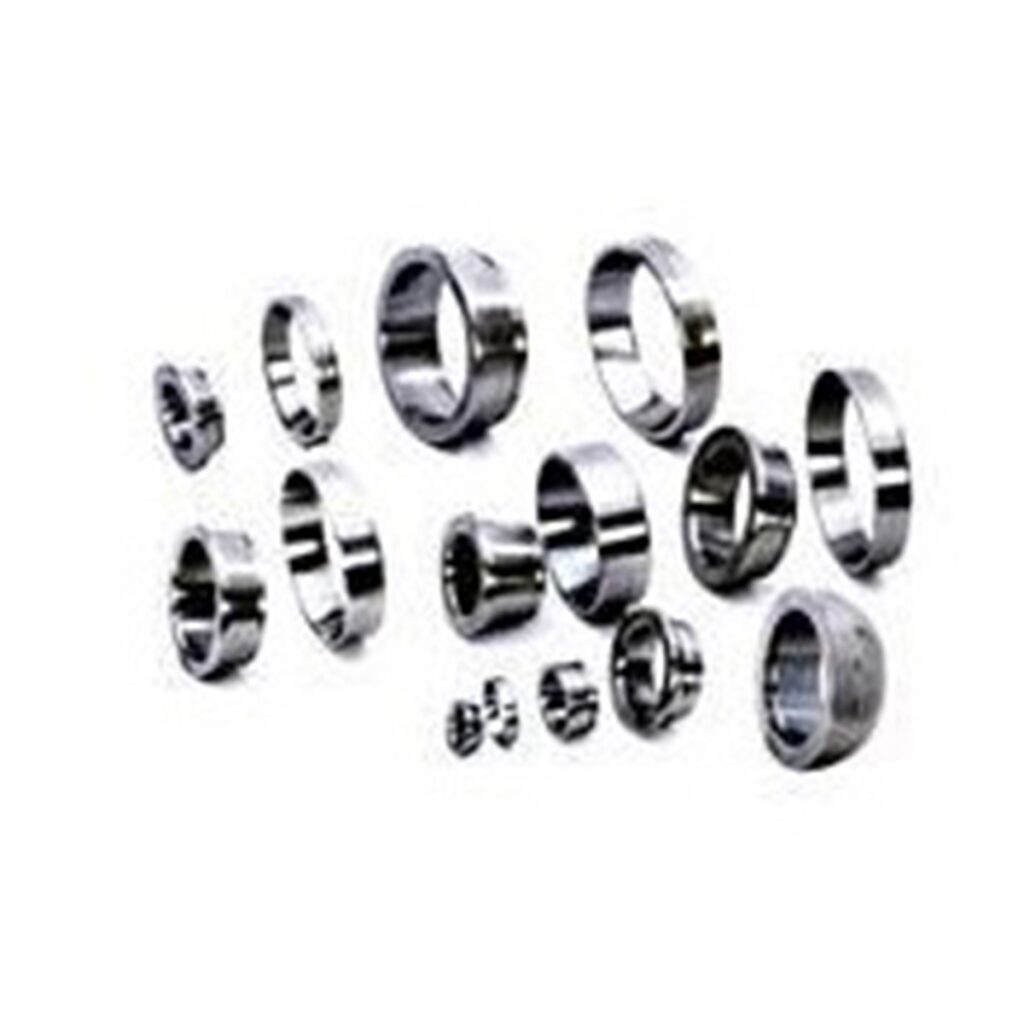
The standard process of OEM CNC Machining Service follows a systematic and precise approach, ensuring the production of high-quality components. Let’s break down the key stages of this process: Design Analysis: Thoroughly analyze component design requirements. Computer-Aided Design (CAD): Translate the design into a digital format using CAD software. Material Selection: Choose […]
Advantages of OEM CNC Machining Service
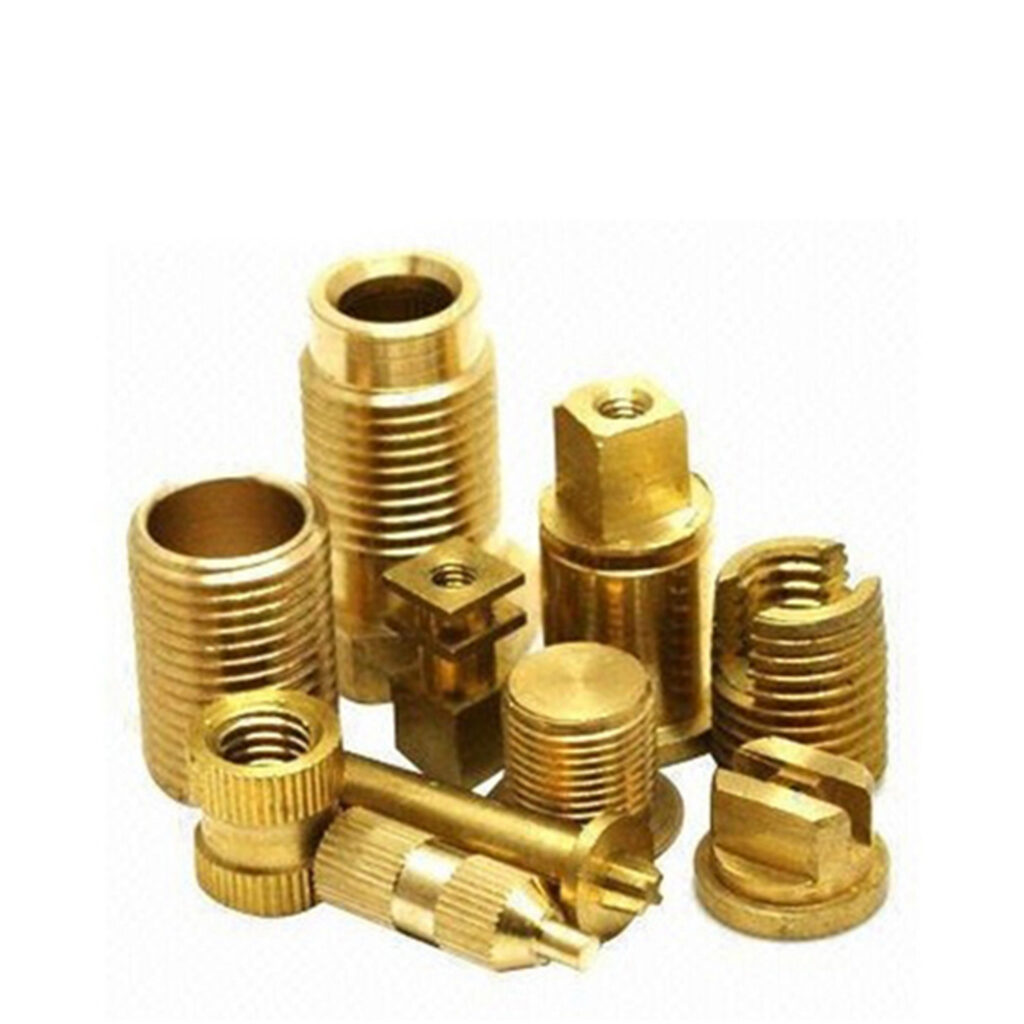
OEM CNC Machining Service offers a multitude of advantages that make it a preferred choice for many industries seeking precision and efficiency in manufacturing processes. Let’s explore some key benefits: Precision Excellence: Leveraging CNC technology, OEM CNC machining ensures meticulous accuracy, meeting exact specifications for components. Cost-Efficiency: Outsourcing to OEM services provides cost […]
Why Choose Juize Machinery: The Experience of Working with a Trusted Partner
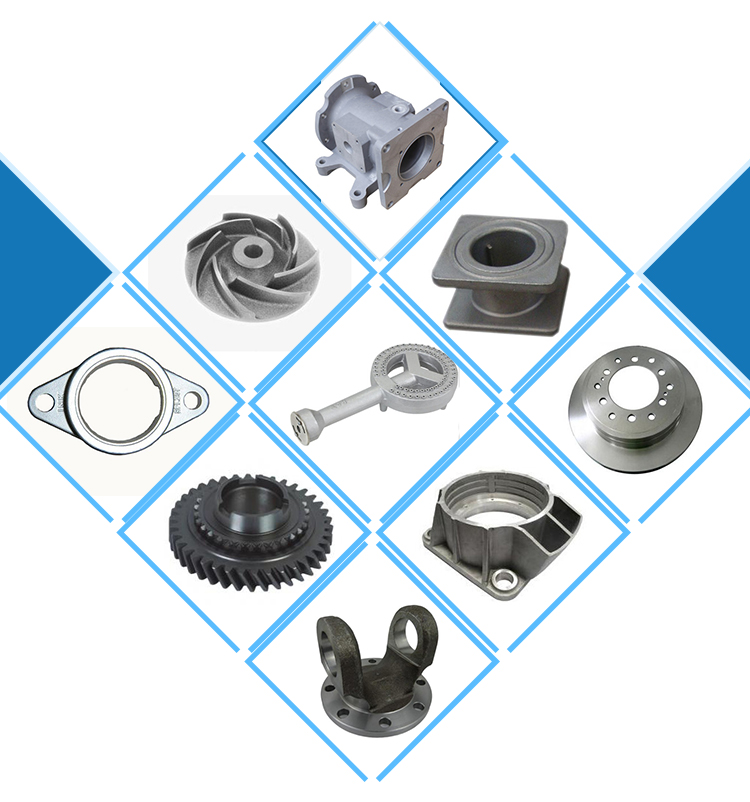
In a global marketplace filled with manufacturing options, the decision of who to partner with for your custom components is rarely simple. Price comparisons, capability matrices, and certification checkboxes only reveal part of the story. What truly distinguishes one supplier from another is the experience of working together—the daily interactions, the problem-solving dynamics, the reliability when […]
Meaning of OEM
OEM, an acronym for Original Equipment Manufacturer, refers to companies that design and produce components or products that are then sold and used by another company. In this context, the manufacturer creating the original product is referred to as the OEM. These components or products are often integrated into the end product of the second […]
From RFQ to Reality: The Art of Translating Requirements into Precision Parts
Every great product begins not on the assembly line, but as a concept—a sketch on a napkin, a 3D model on a screen, or a set of specifications in a request for quotation. Yet between the initial idea and the finished component lies one of manufacturing’s greatest challenges: accurately translating requirements into reality. At Juize Machinery, we […]
The Human Element: Expertise, Experience, and Partnership in Precision Manufacturing
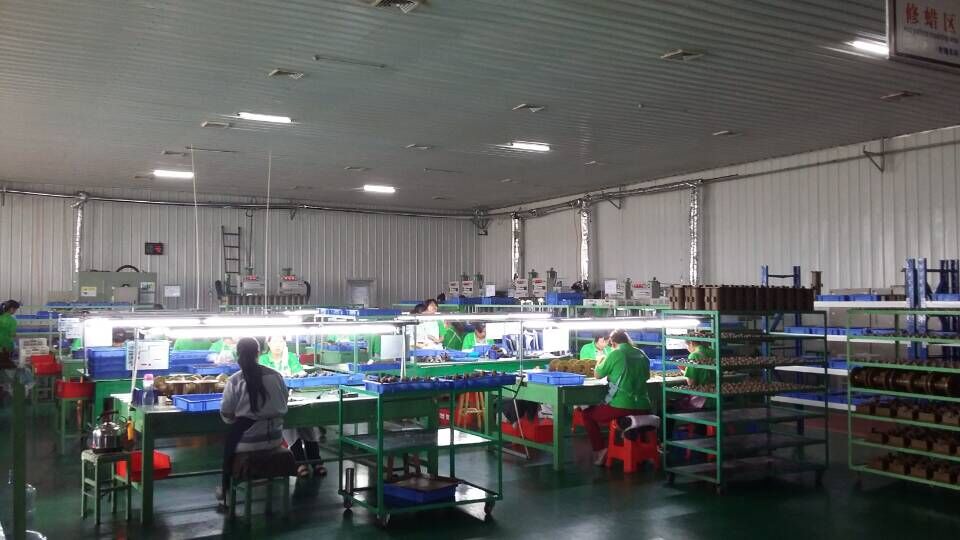
In an age of automation, artificial intelligence, and digital transformation, it is easy to assume that manufacturing has become a purely mechanical endeavor—a world of lights-out factories and algorithms optimizing every cut. While we embrace advanced technology wholeheartedly at Juize Machinery, we firmly believe that the human element remains the true differentiator between adequate suppliers and exceptional […]
Advantages of Die Casting
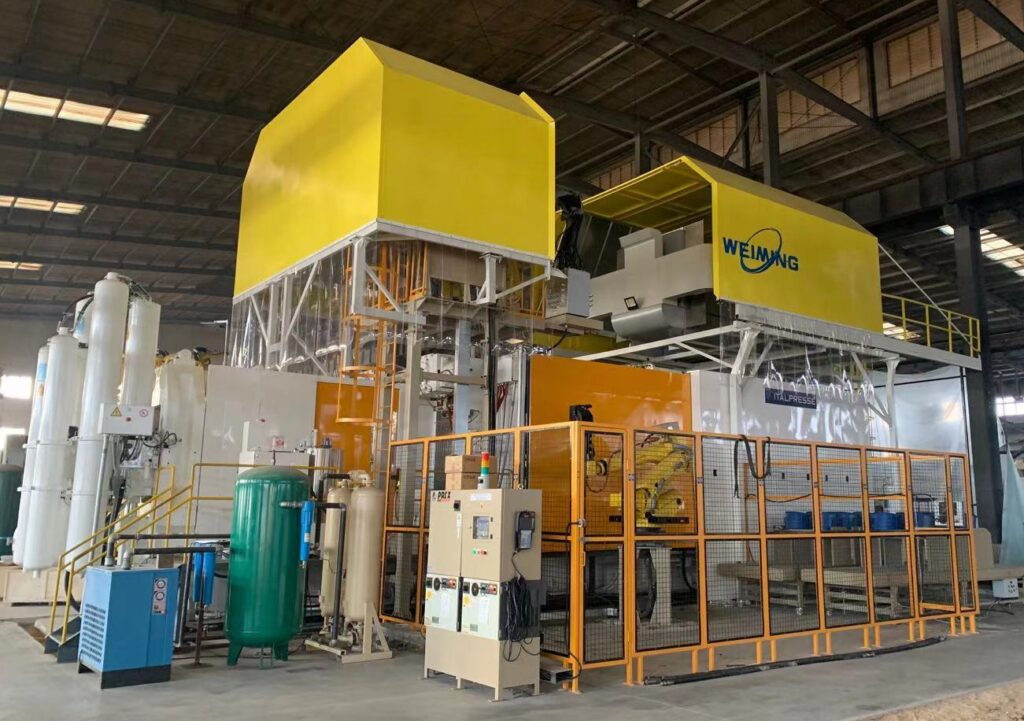
Die casting stands out for its cost-effectiveness and efficiency, making it particularly suitable for high-volume production. The process allows for the manufacturing of complex parts with minimal need for additional machining, which significantly reduces per-unit costs. Aluminum die casting further enhances these benefits; when compared with traditional cast aluminum, die-cast aluminum exhibits superior mechanical properties […]