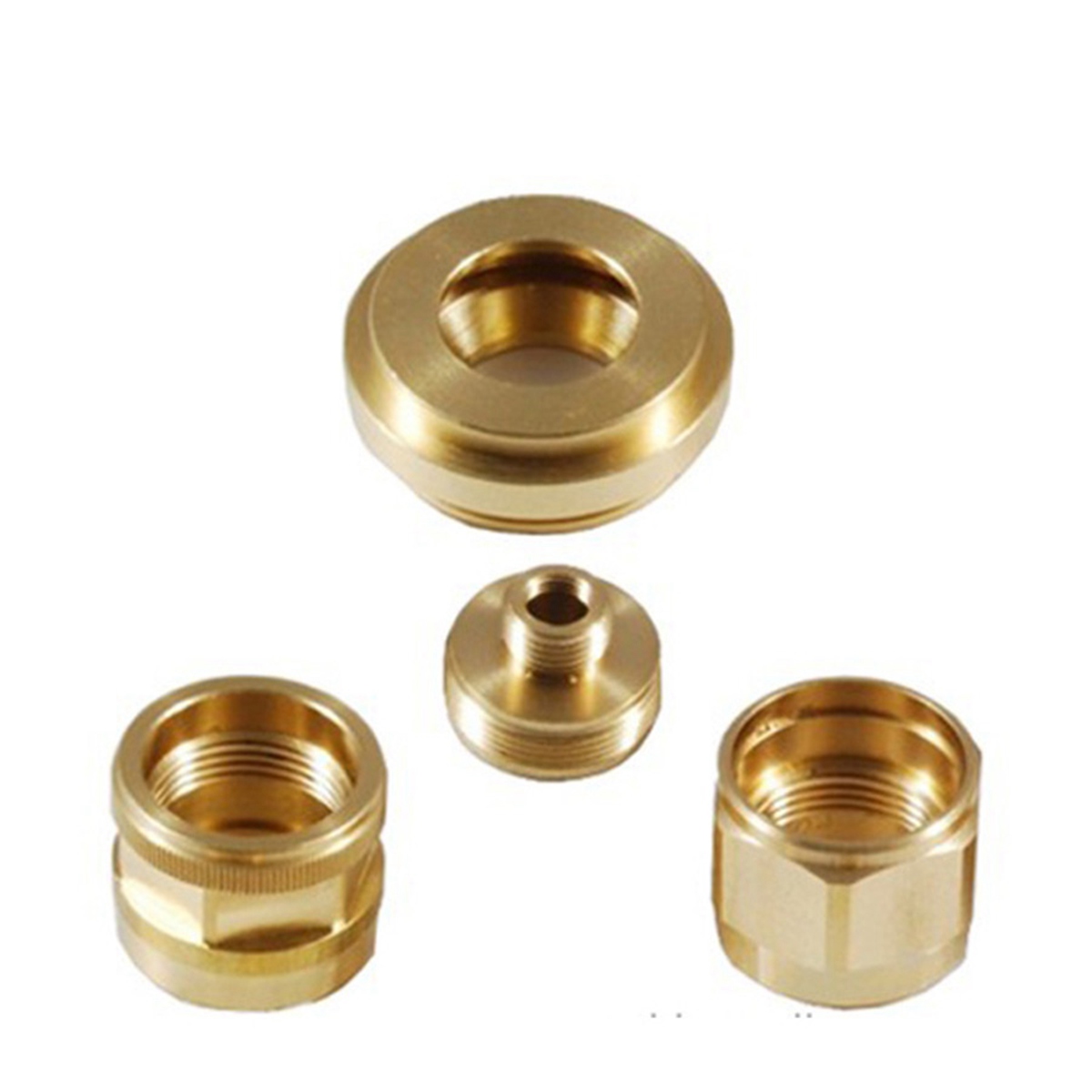
Turning
First up to the plate is a type of machining that can make many different shapes thanks to a lathe that rotates your material while

First up to the plate is a type of machining that can make many different shapes thanks to a lathe that rotates your material while

The CNC machining of parts made from stainless steel offers accuracy, adaptability and speed. It provides accuracy promising high levels of precision for complex geometries and

Rapid plastic injection molding is a process that results in a very durable set of identical parts for testing with multiple backup parts. Rapid injection molding
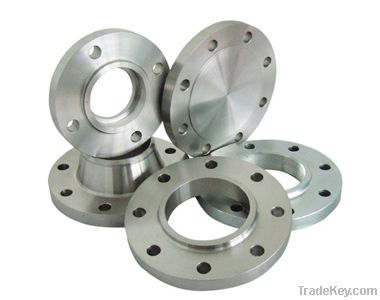
Galvanized steel is widely used in various industries due to its durability and cost-effectiveness. In the construction sector, it is commonly used for roofs, structural
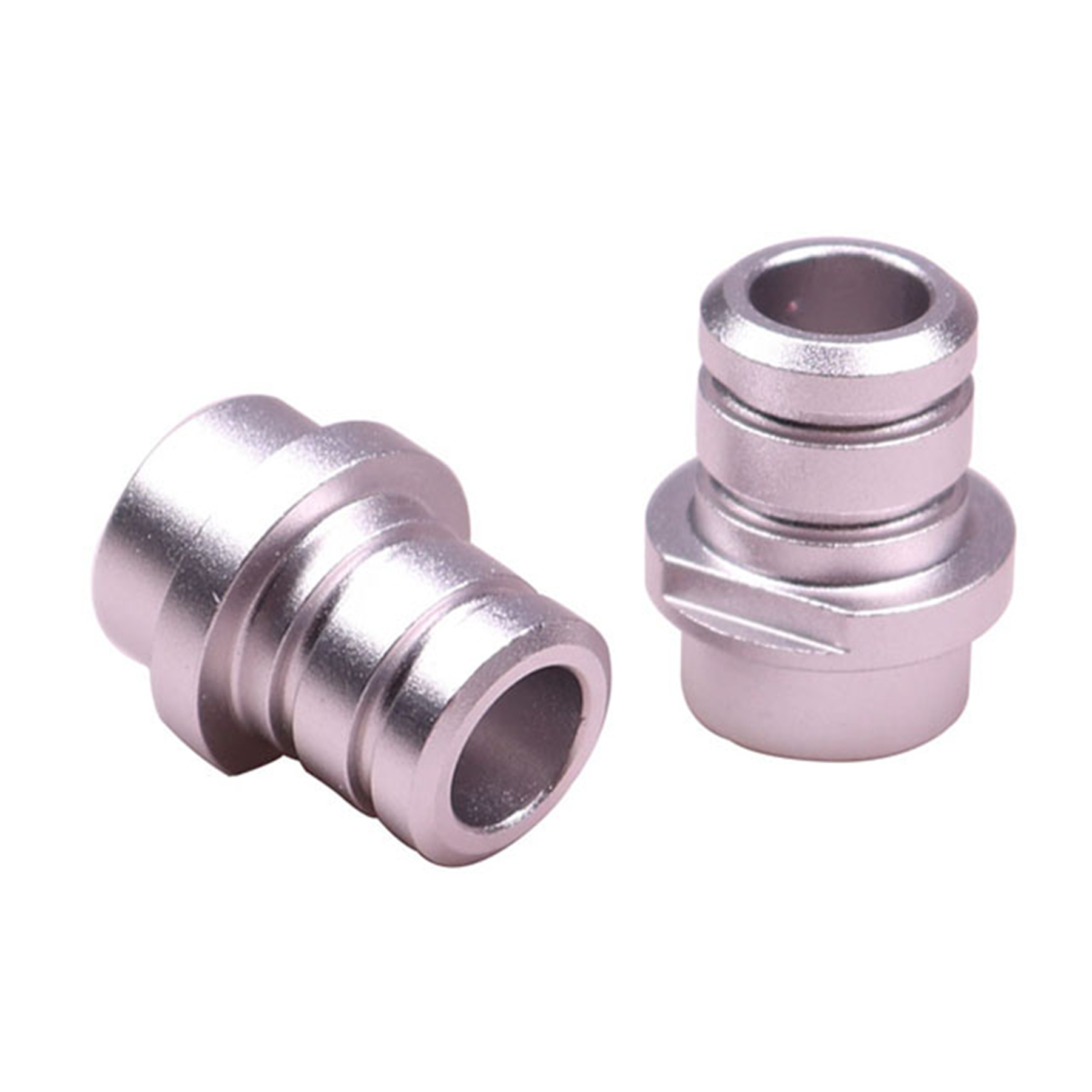
1. Corrosion resistance Stainless steel is superior to galvanized steel in terms of corrosion resistance. Its chromium based passivation layer remains effective even if scratched
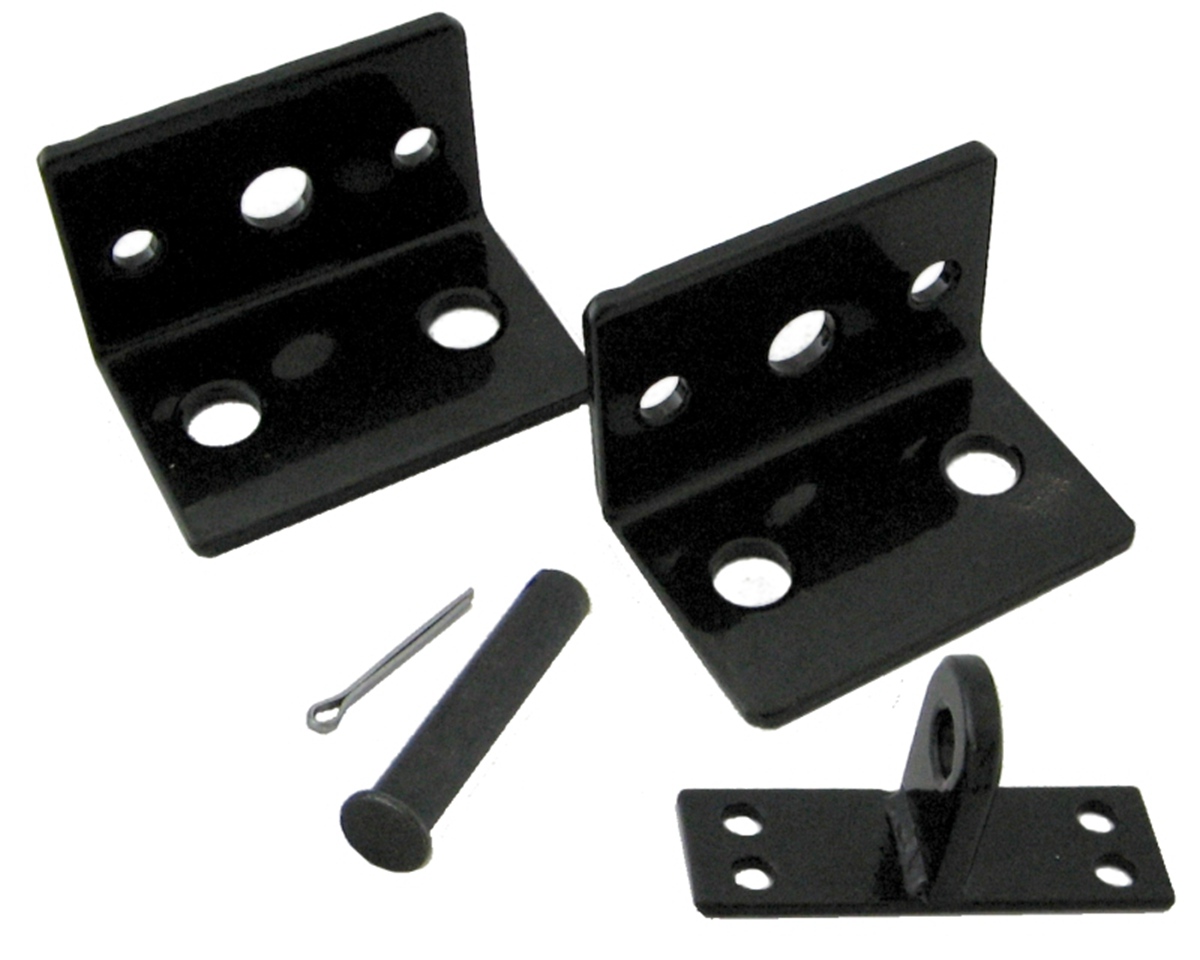
Rapid sheet metal fabrication can be a great option for quick-turn flat parts that require the prototype to be evaluated in its final metal material.
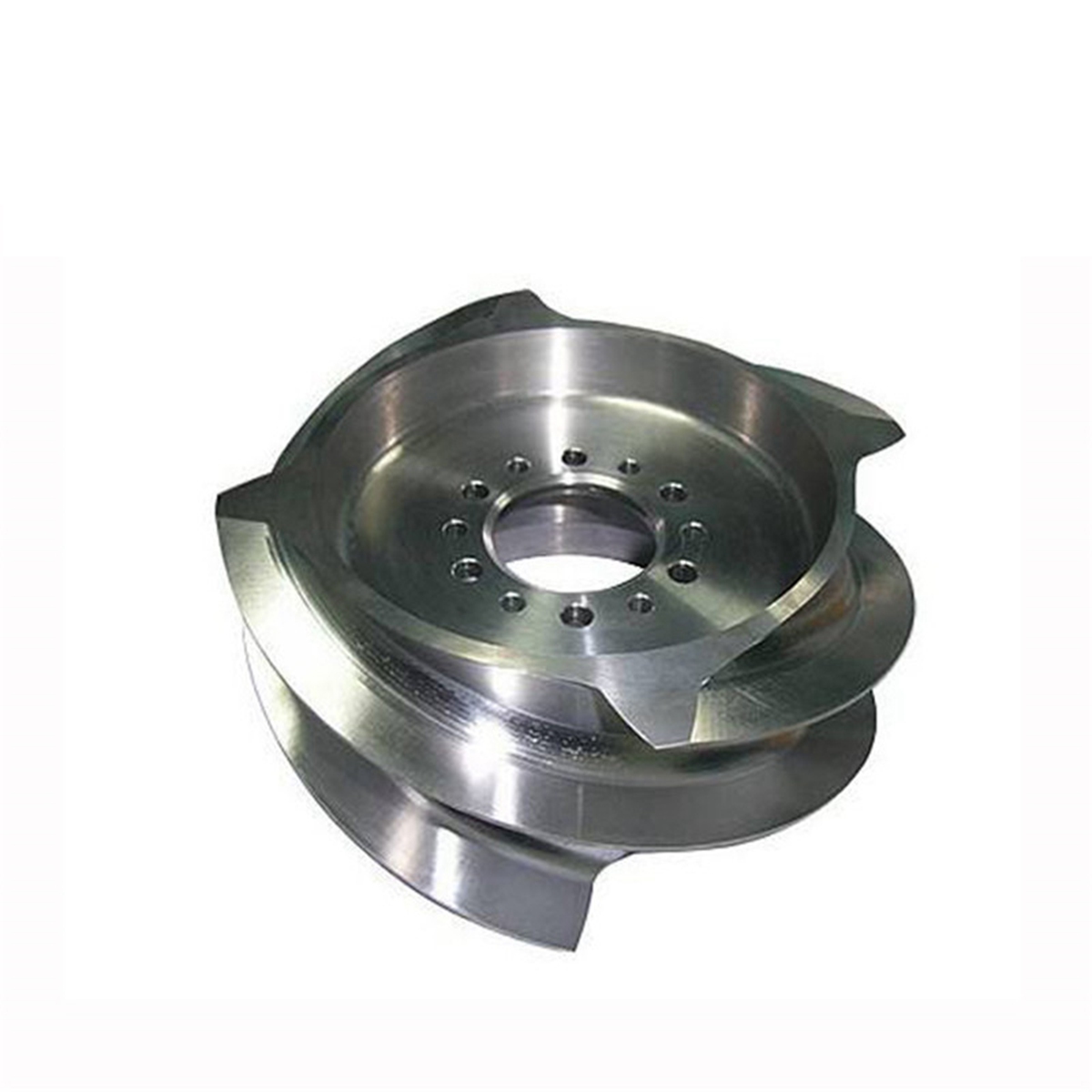
Excellent corrosion resistance: Stainless steel can withstand extreme conditions, including high humidity, salt environments, and exposure to chemicals. Strength and Durability: Stainless steel has high
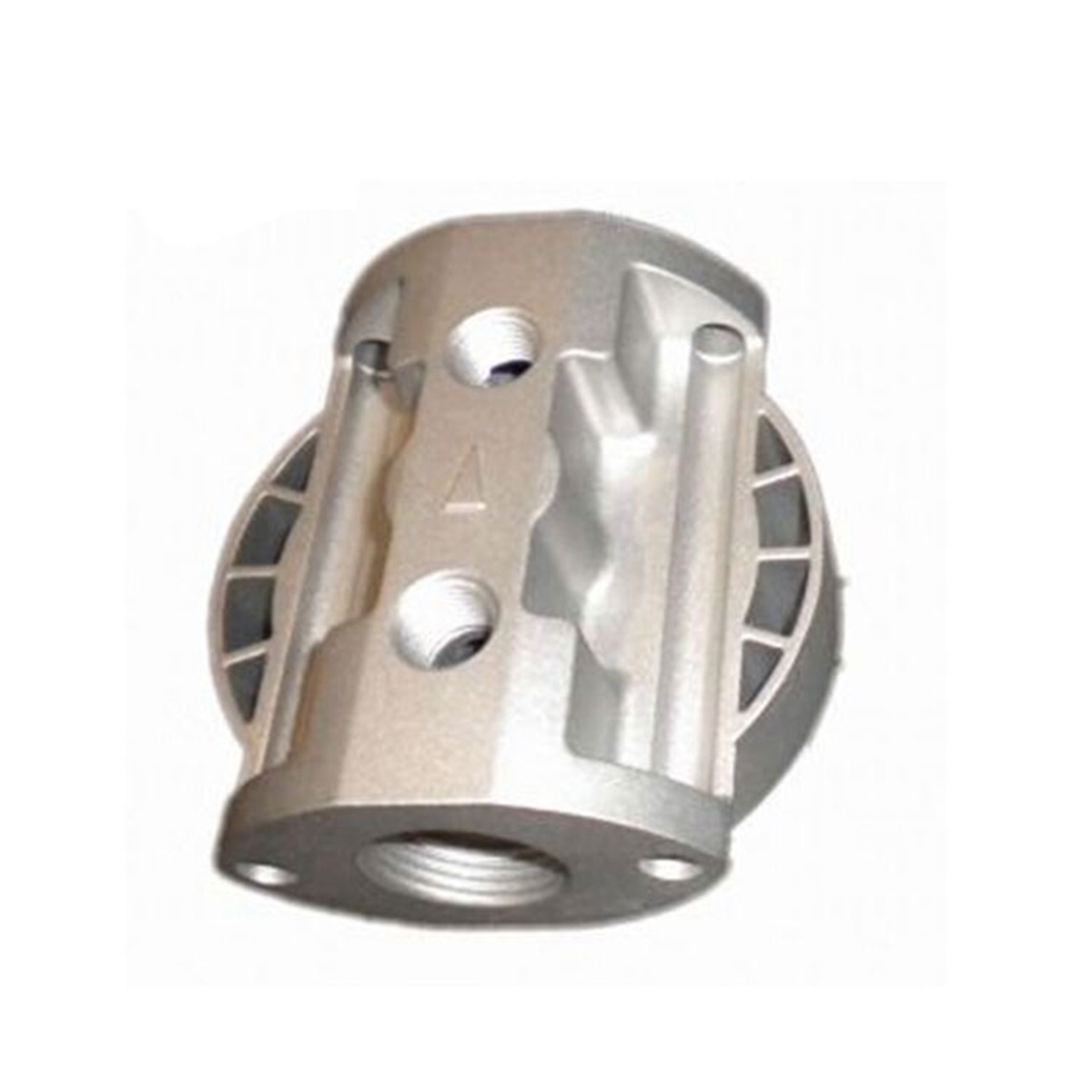
CNC milling and CNC turning are great rapid prototyping options for parts that require the prototype to be evaluated in its final material if cut
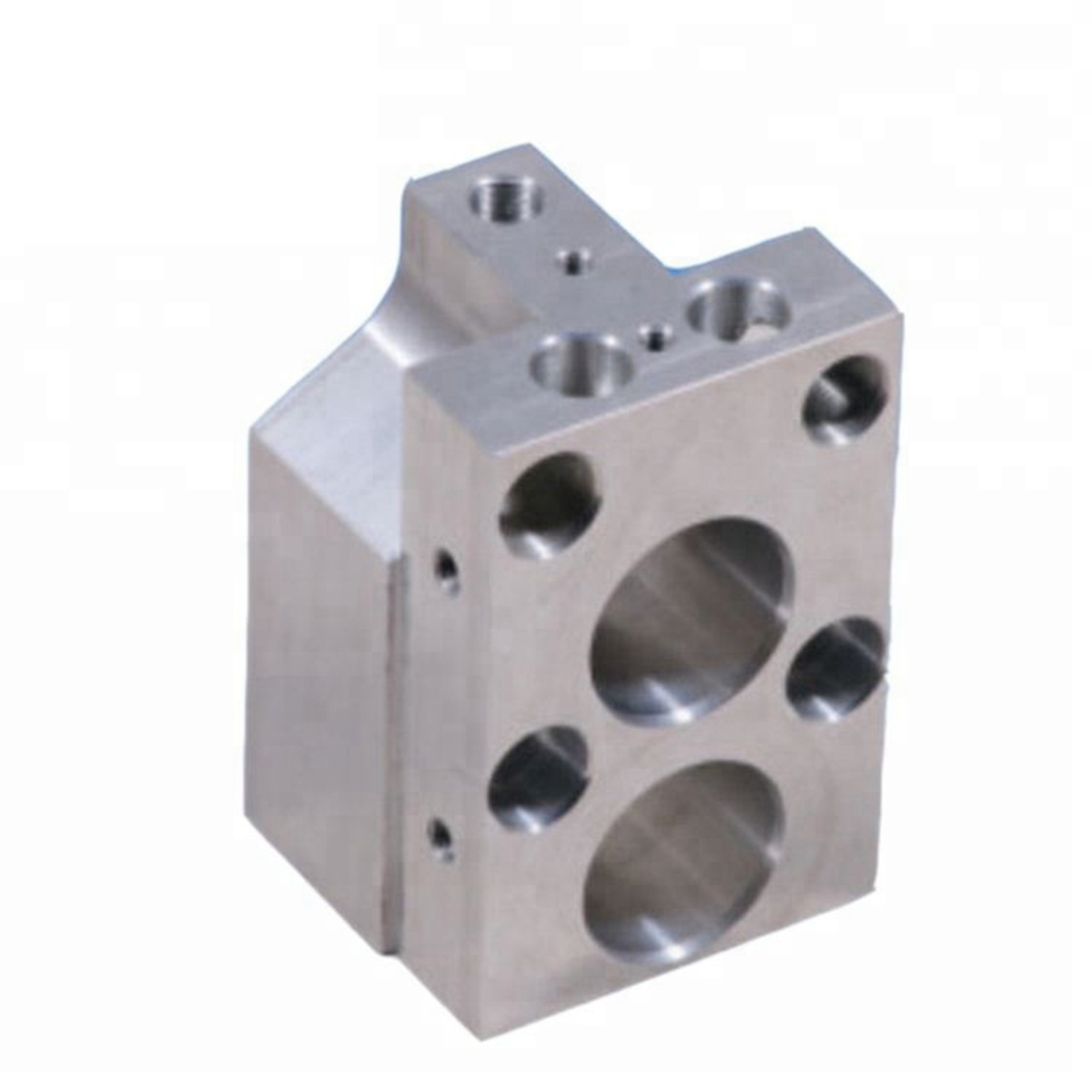
Corrosion resistance: The zinc layer has strong antioxidant properties in mild environments. Profitability: Compared to stainless steel, galvanized steel is relatively cheaper. Multi-functionality: Its durability

3D printing is the most common rapid prototyping process. The key advantage of using a 3D prototype service is that it is fast and affordable. At