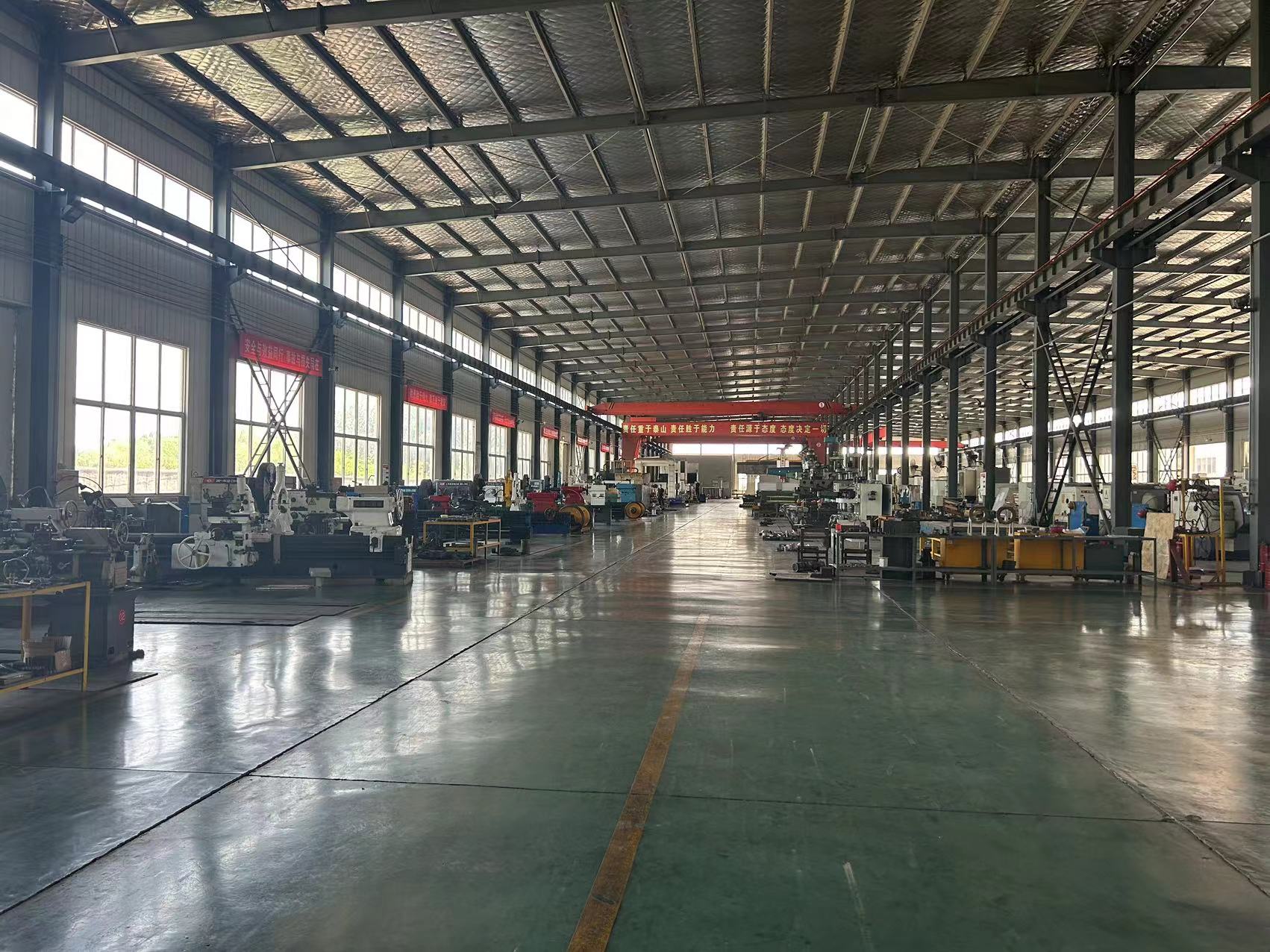
CNC Machines Can Use to Process Steel Materials
The market is filled with a ton of different types of CNC machines and equipment. However, if you want to know the most common manufacturers

The market is filled with a ton of different types of CNC machines and equipment. However, if you want to know the most common manufacturers
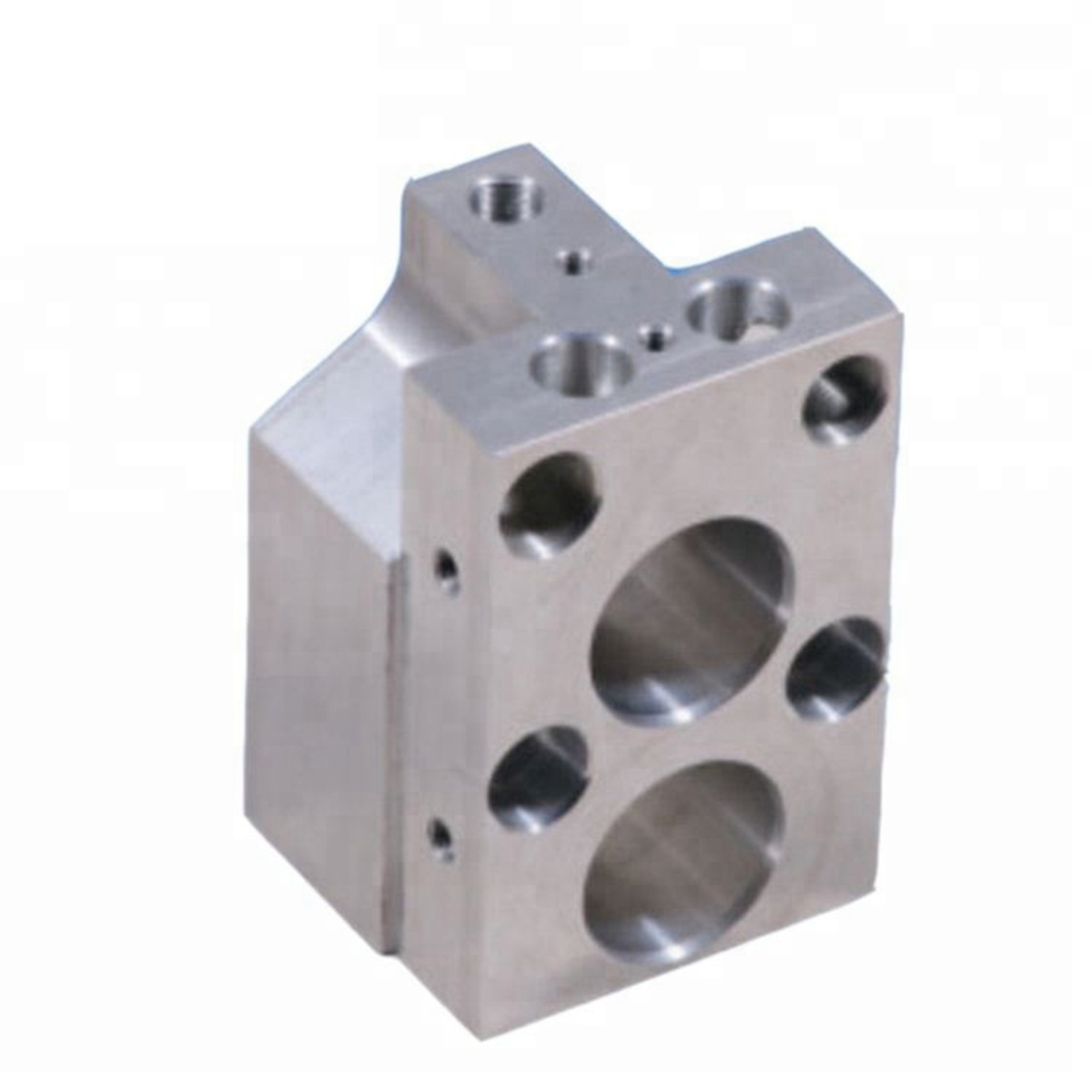
High-carbon steel comes in quite a few forms, each of which could have a different microstructure and characteristics that would make it better for a
CNC machining steel presents challenges such as tool wear due to hardness, heat generation requiring effective cooling, and variable machinability across steel alloys. Work hardening
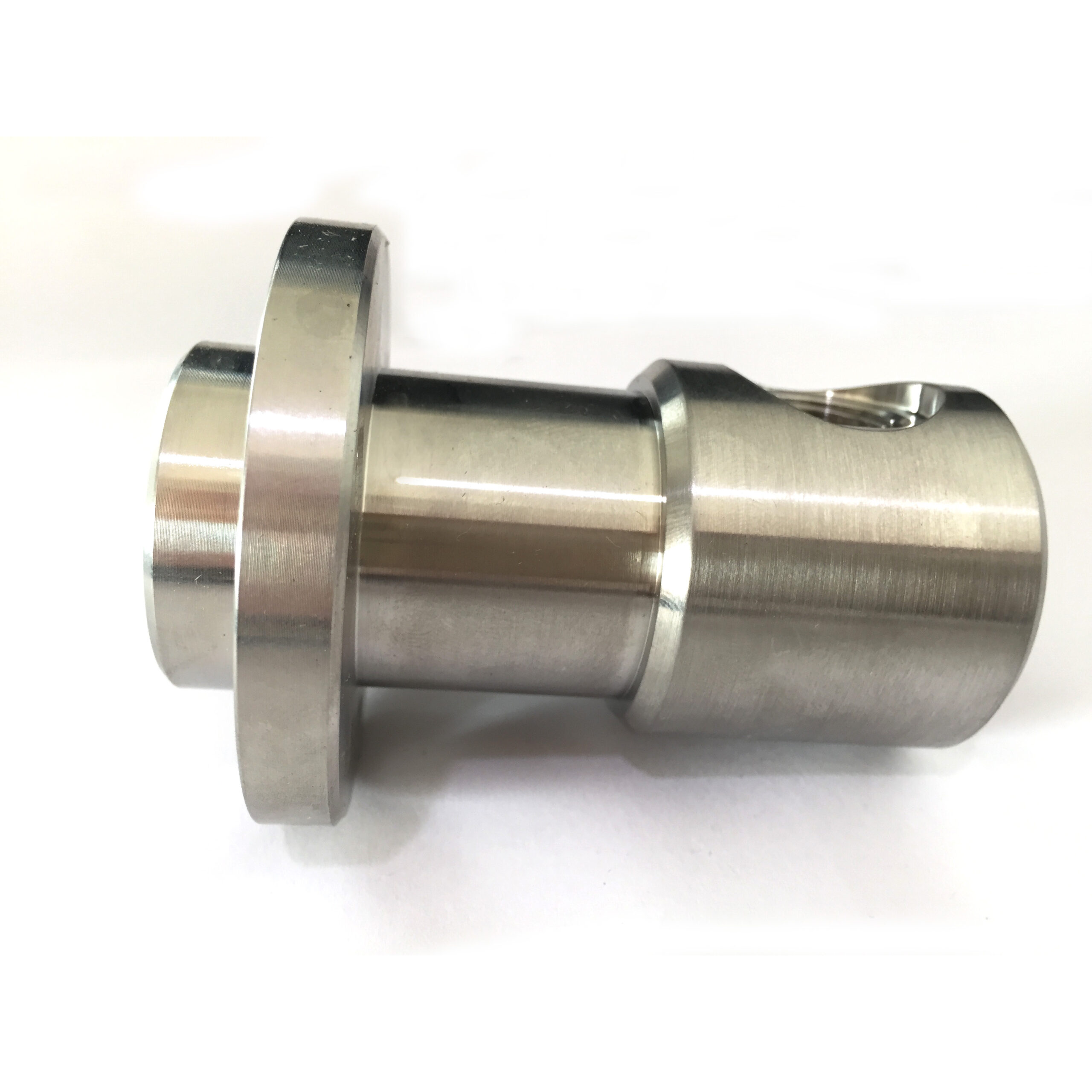
The four main high-carbon steel categories are explained below. Alloyed: Other elements, like chromium, cobalt, manganese, molybdenum, nickel, tungsten, and/or vanadium, are sometimes added to
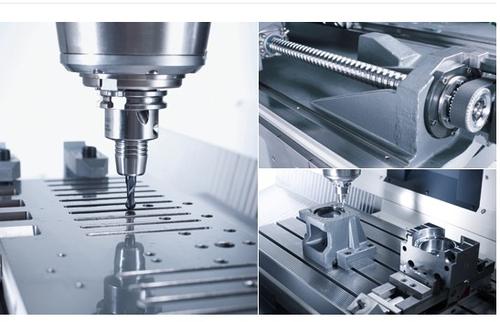
Carbon and alloy steels are two (2) of the most used types of steels in CNC machining. But do you know their primary differences? We’ve
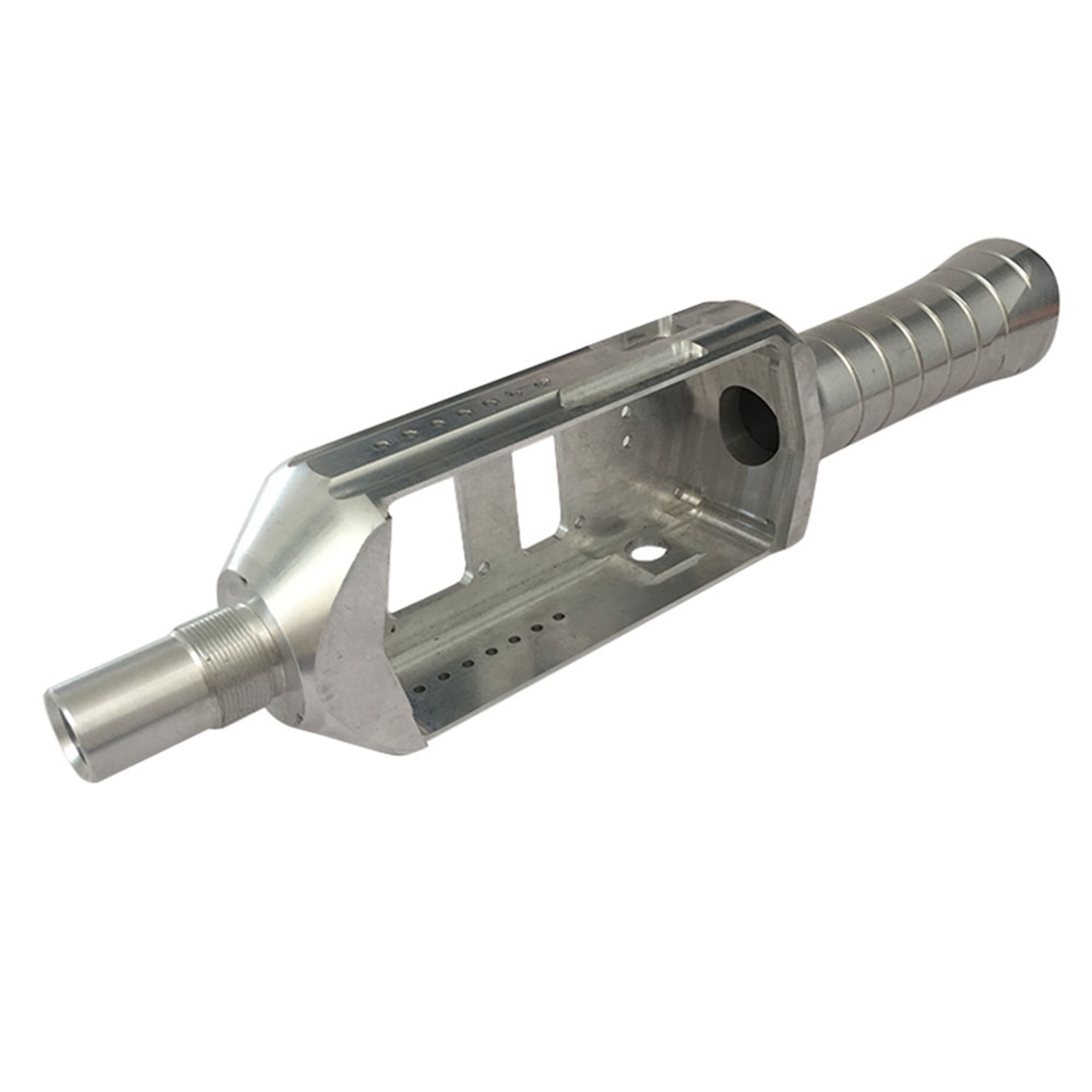
Also known as carbon tool steel, or M2, high-carbon steel refers to any steel with a carbon content of over 0.6%. Any lower than that,
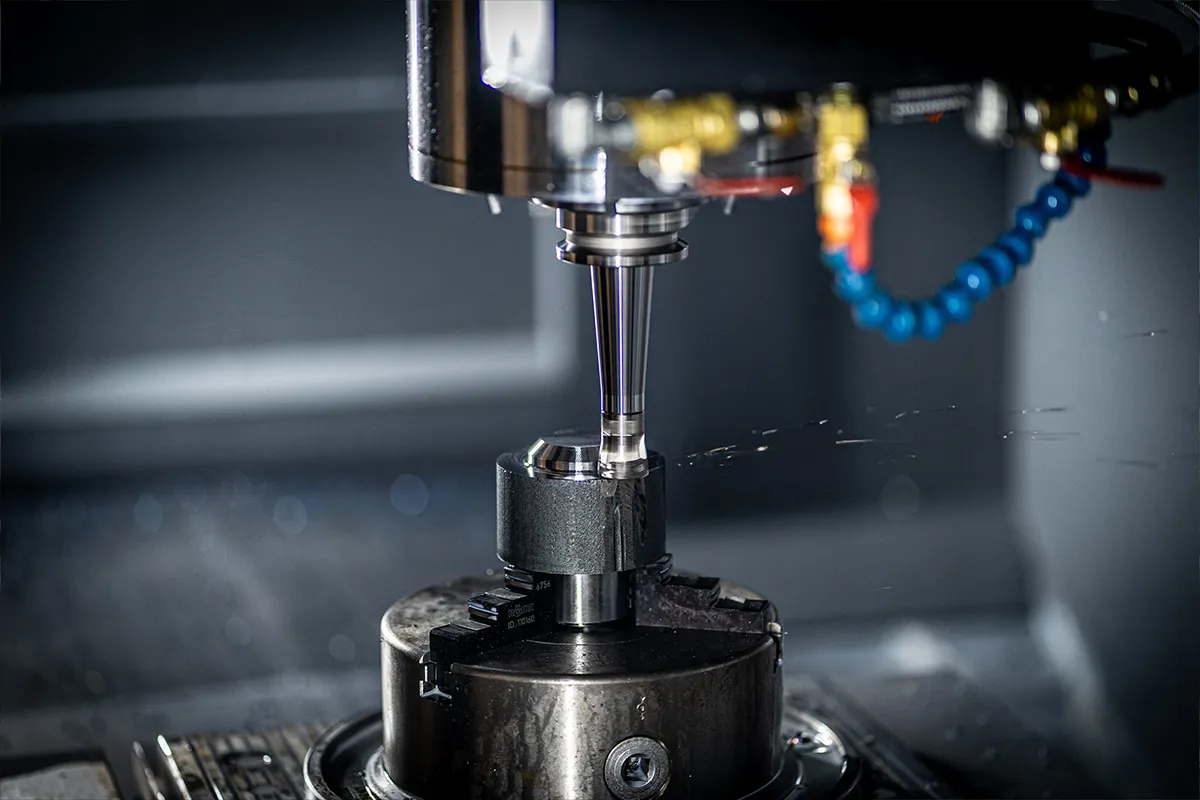
CNC machining offers several advantages when working with steel. Precision is a key benefit, as computer-controlled machining ensures accuracy in intricate designs and tight tolerances.
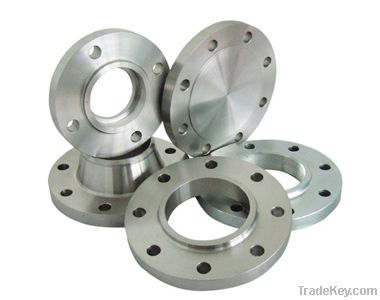
There are a handful of perks that 316 stainless steel brings to the table, including: It has the best corrosion resistance in comparison to 18/8

When selecting the right machinable plastic for CNC machining, several factors come into play: Strength and durability are crucial—if the part needs to handle high

After 304, 316 is the most popular, and it stands out from the crowd because of its top-notch corrosion resistance. This gives it a one-up