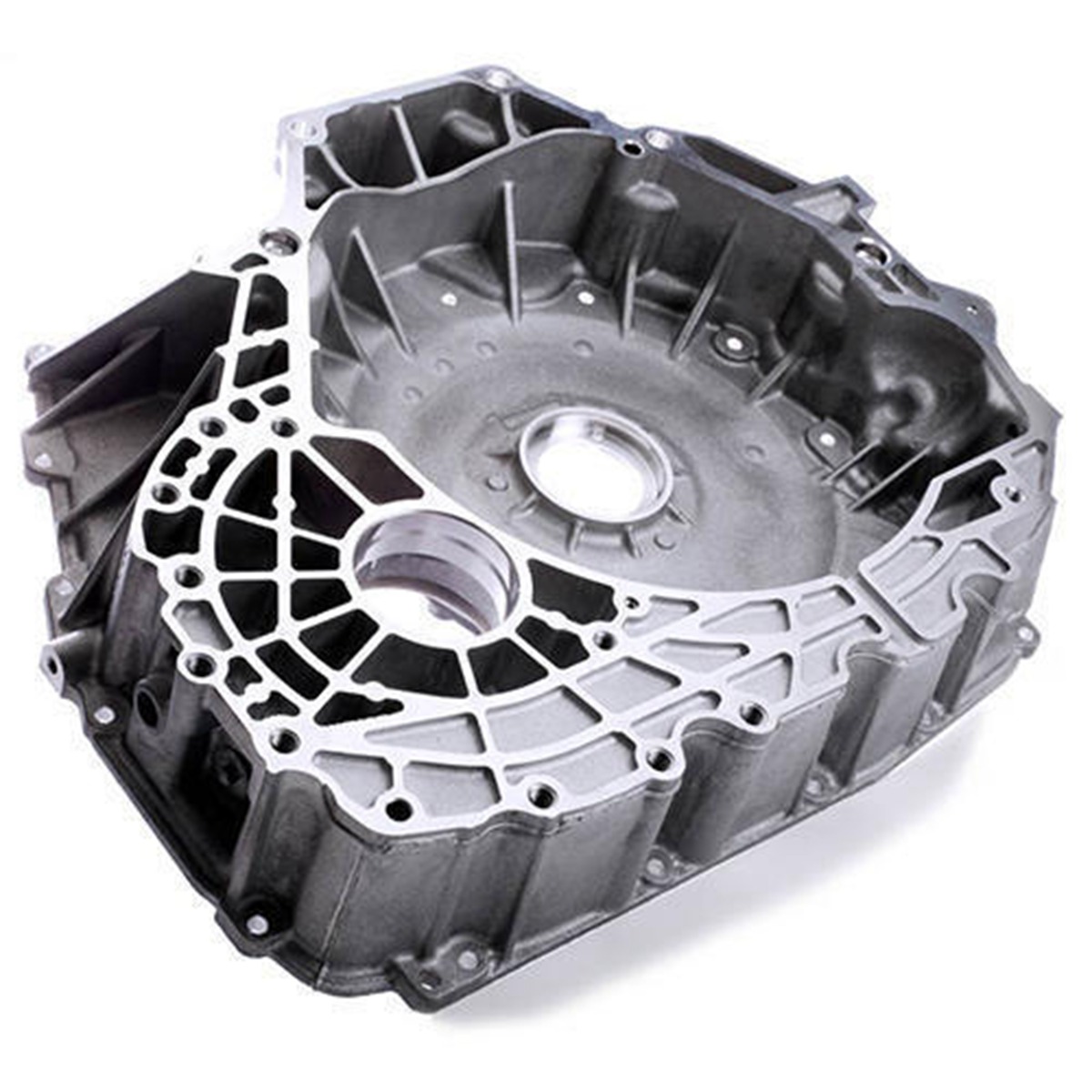
Metals Suitable for Die Casting
Die casting is a high-pressure metal casting process characterized by forcing molten metal into a reusable steel mold (die) cavity. It is renowned for producing

Die casting is a high-pressure metal casting process characterized by forcing molten metal into a reusable steel mold (die) cavity. It is renowned for producing
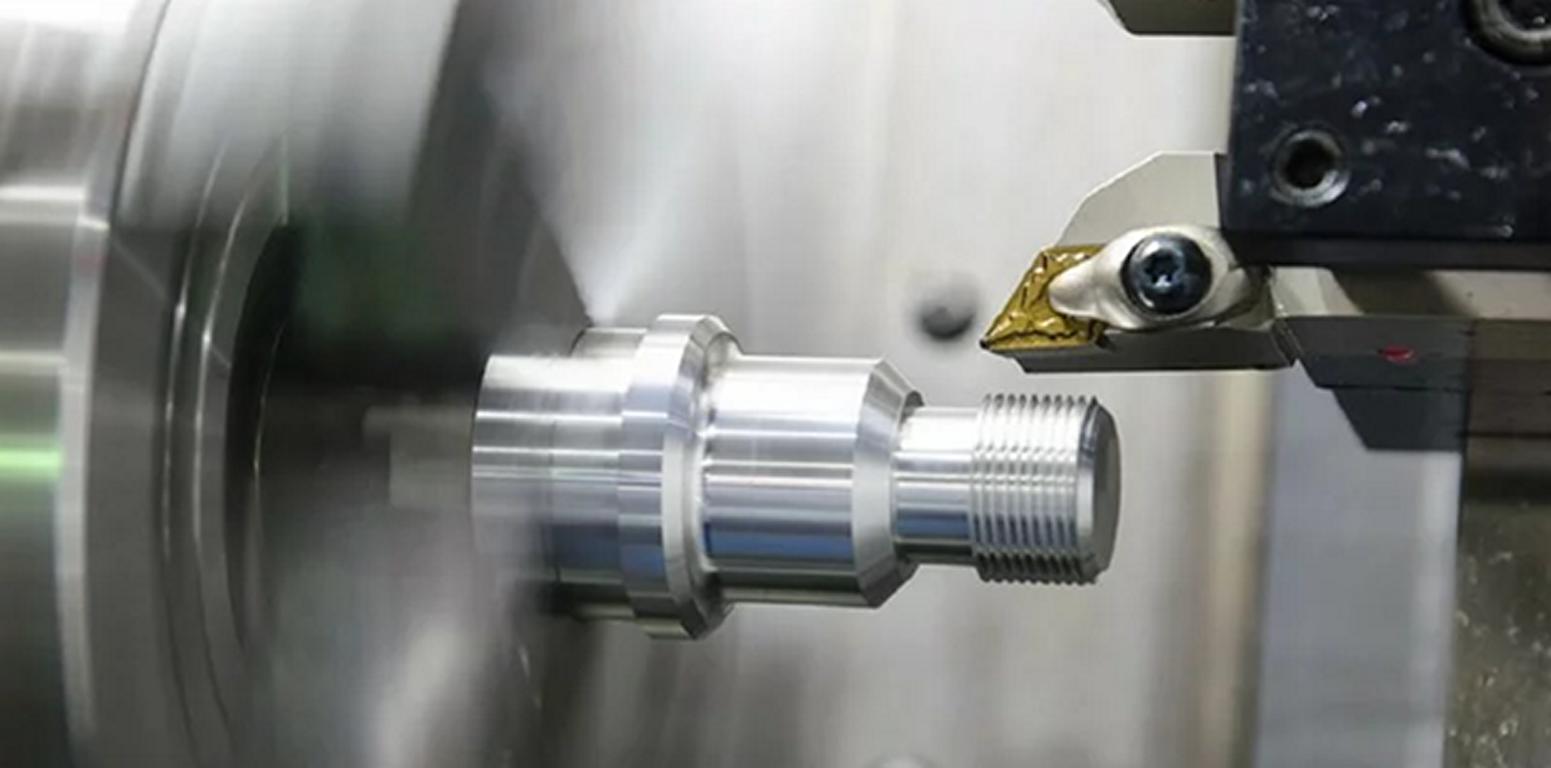
There are several main types of CNC (Computer Numerical Control) machines designed for specific machining processes. CNC milling machines use rotating cutting tools to cut

Longer Service Life: Forged parts are durable, and they can stay stable even under harsh working conditions. Improved Safety: There is minimal risk of
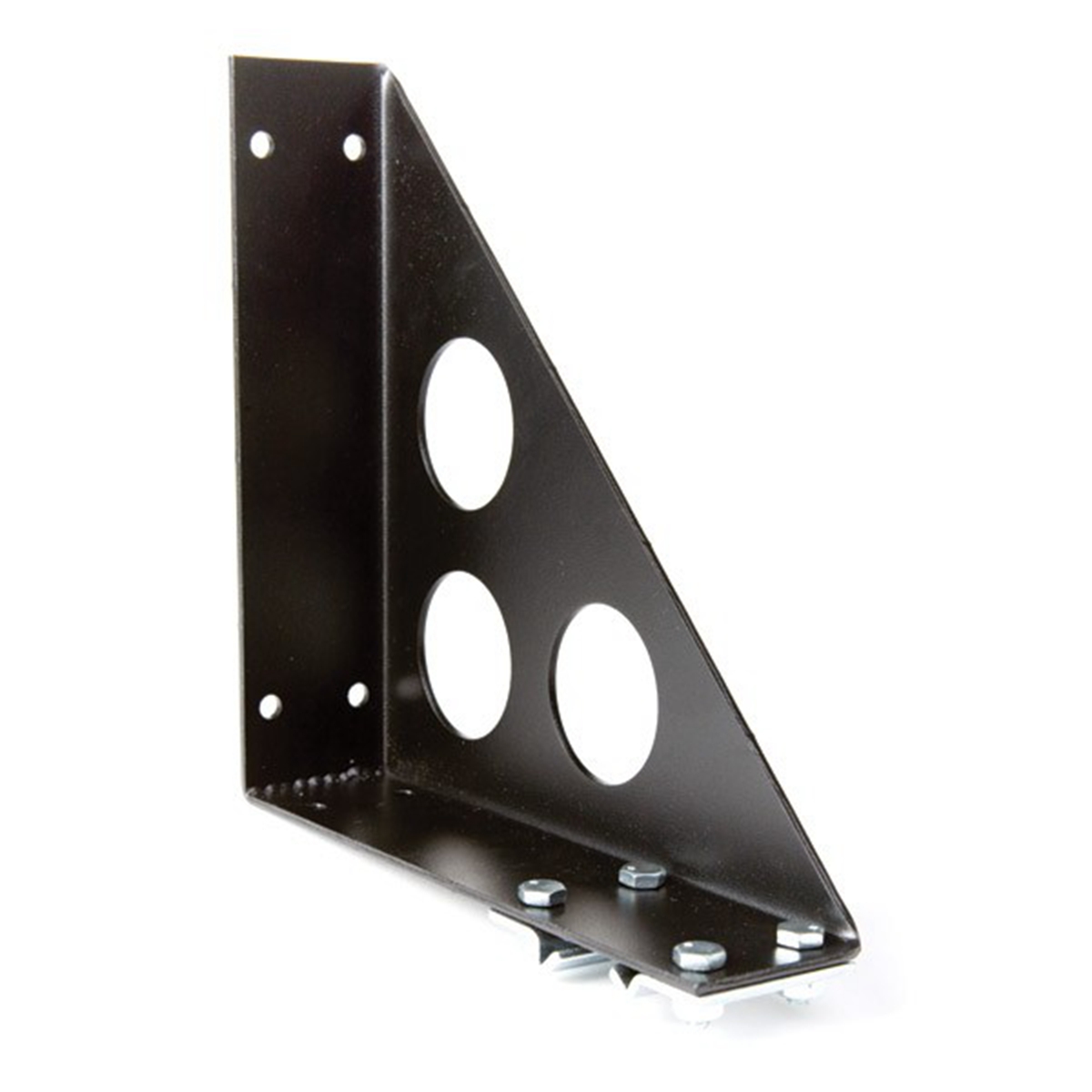
Carbon Steels and Mild Steels This is where laser cutting truly excels. From thin sheet metal to plates often up to 25-30mm thick, lasers deliver
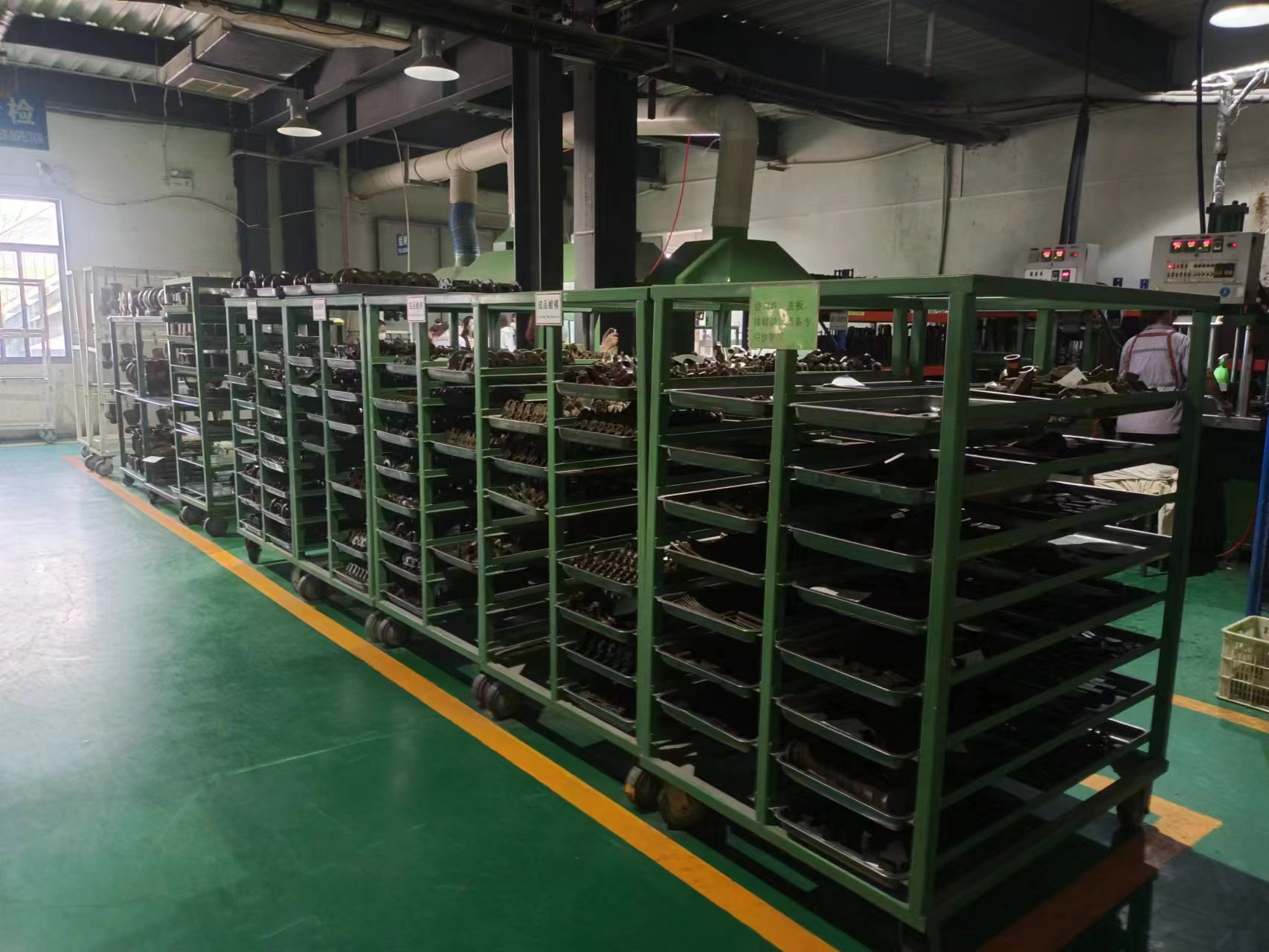
Die casting dies, also known as molds or tools, are subjected to extreme conditions including rapid cyclic heating (from molten metal injection), high pressure, thermal
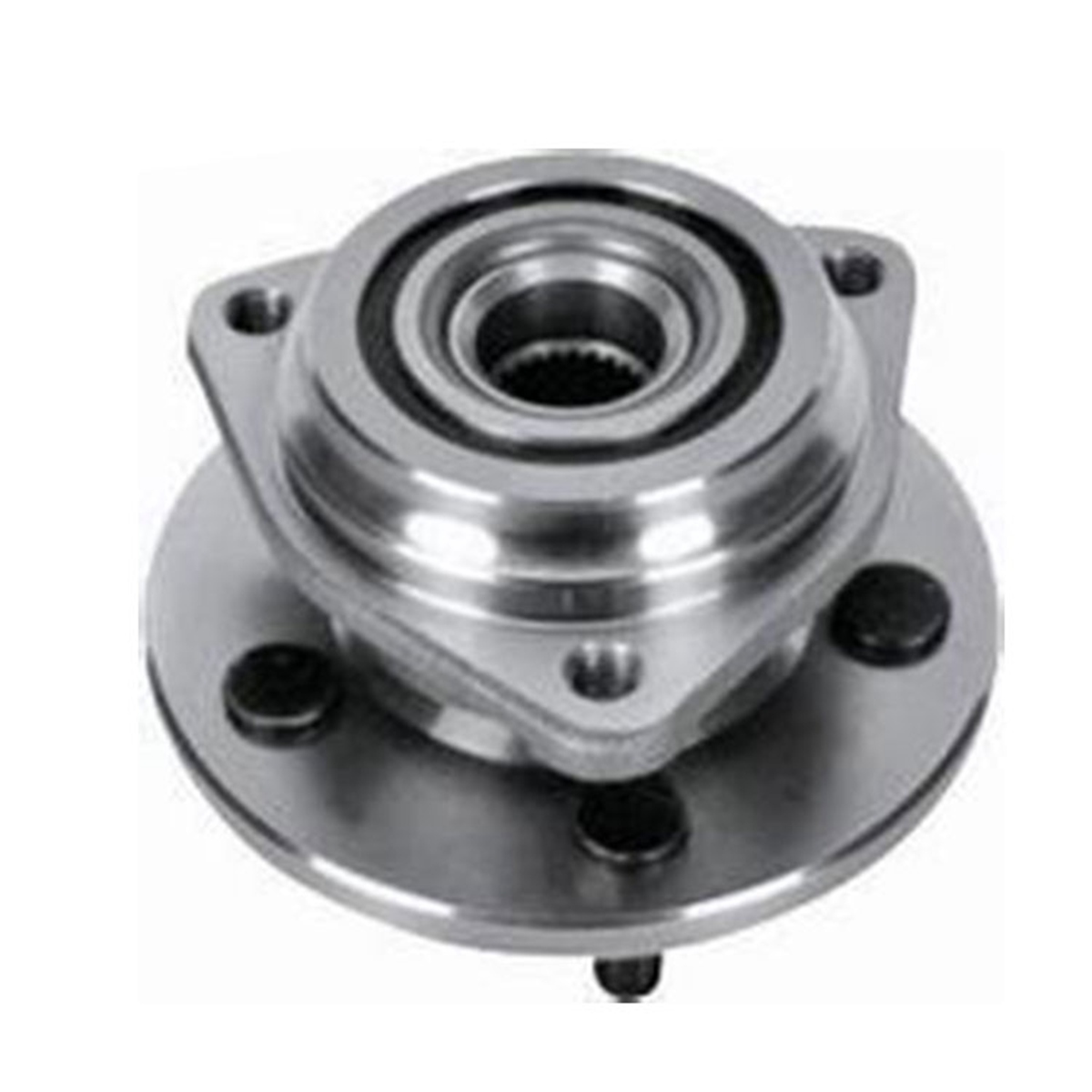
Forged steel is used almost everywhere. You will see metal forging wherever strength, reliability, and performance are important. Due to sturdiness and impact resistance, forging
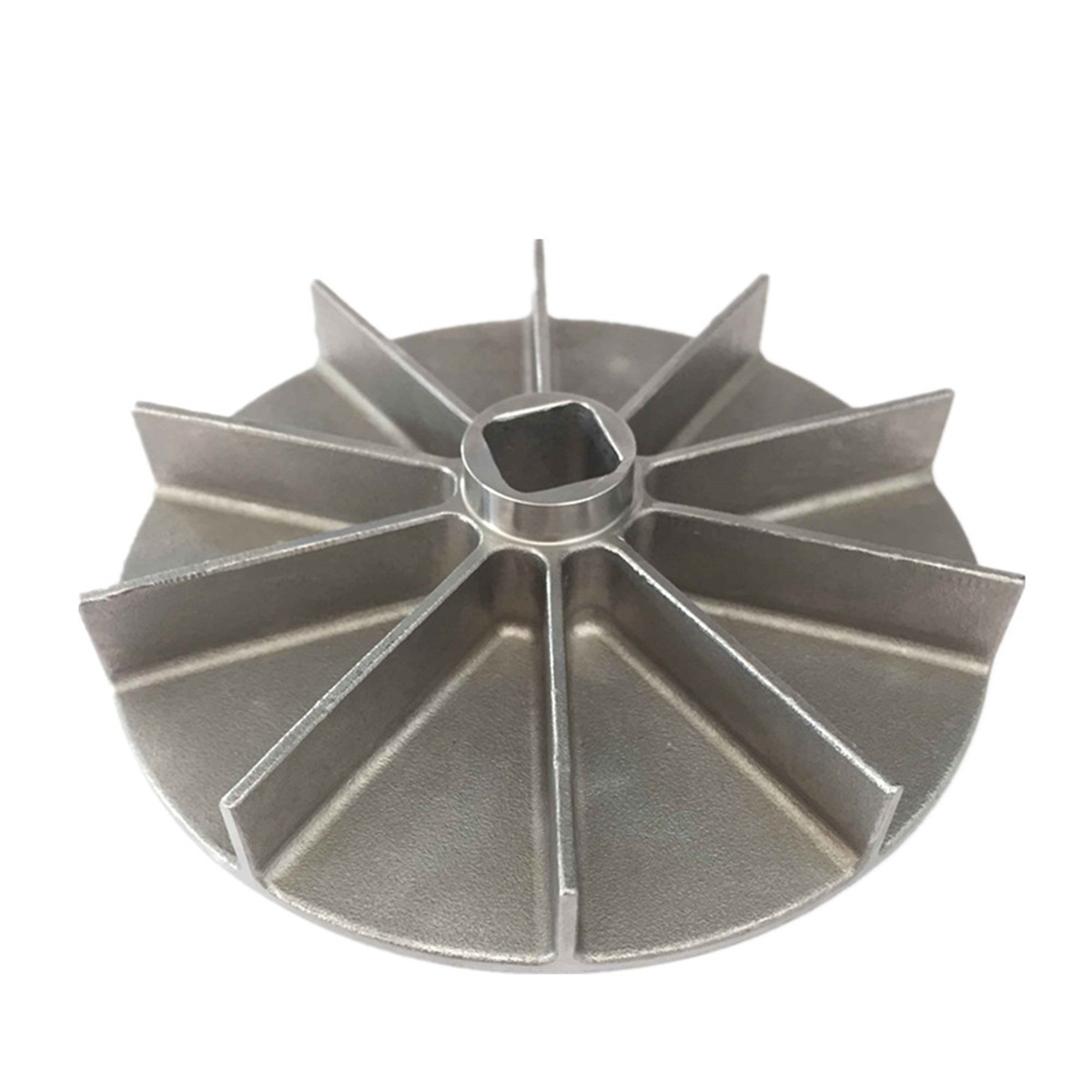
The choice and quality of wax are fundamental to the entire process, influencing the final metal component in these key ways: **1. Dimensional Accuracy and Stability
High Strength and Toughness: It improves the metal’s ability to handle impact and stress without wearing out. Better Fatigue Resistance: Forged parts can withstand
The waxes used are rarely pure substances; they are precisely formulated blends designed to meet specific requirements. They can be broadly categorized as follows: Pattern
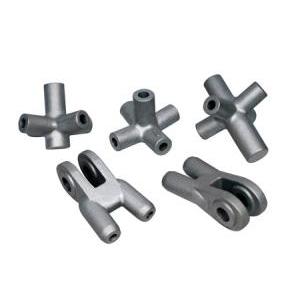
Based on how the force is applied and how the metal flows, forging methods can be of different types. Each method has its own pros,