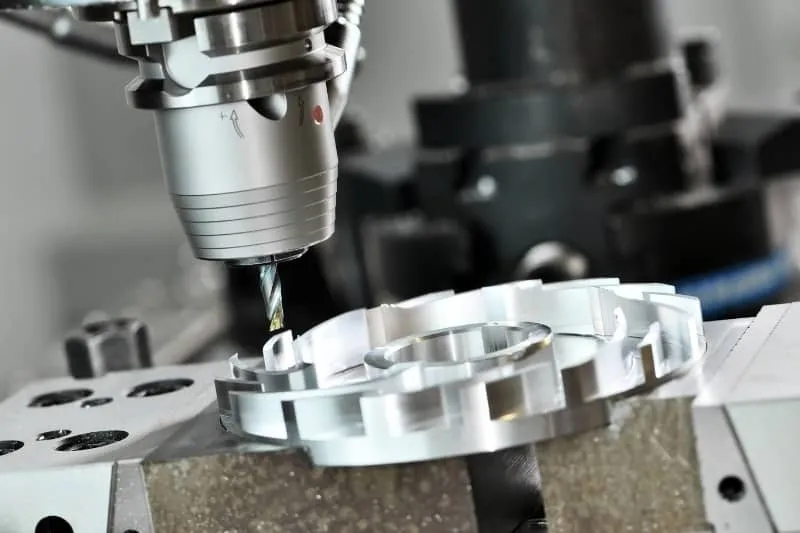
What is rapid prototyping?
When we say “rapid prototyping”, it is a procedure that will let you produce a part rapidly and examine the capability and the possibility of

When we say “rapid prototyping”, it is a procedure that will let you produce a part rapidly and examine the capability and the possibility of

Custom ordering stainless steel CNC machining parts involves a straightforward process. Firstly, clearly define the specifications, including material grade and dimensions. Following this, identify reputable
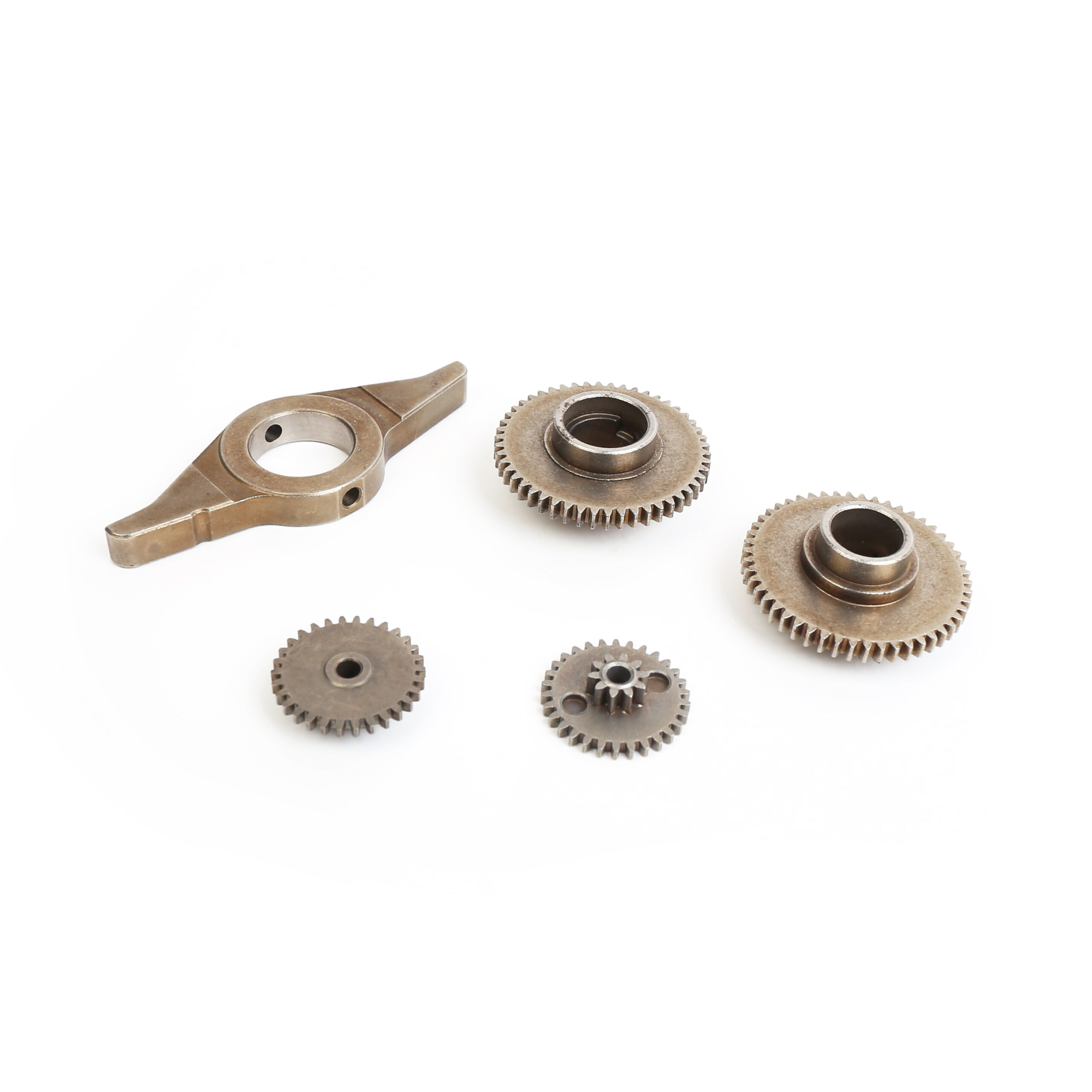
Powder Metallurgy (PM) is a highly efficient, near-net-shape manufacturing process used to produce complex, precise, and high-performance metal components. It involves the production of metal
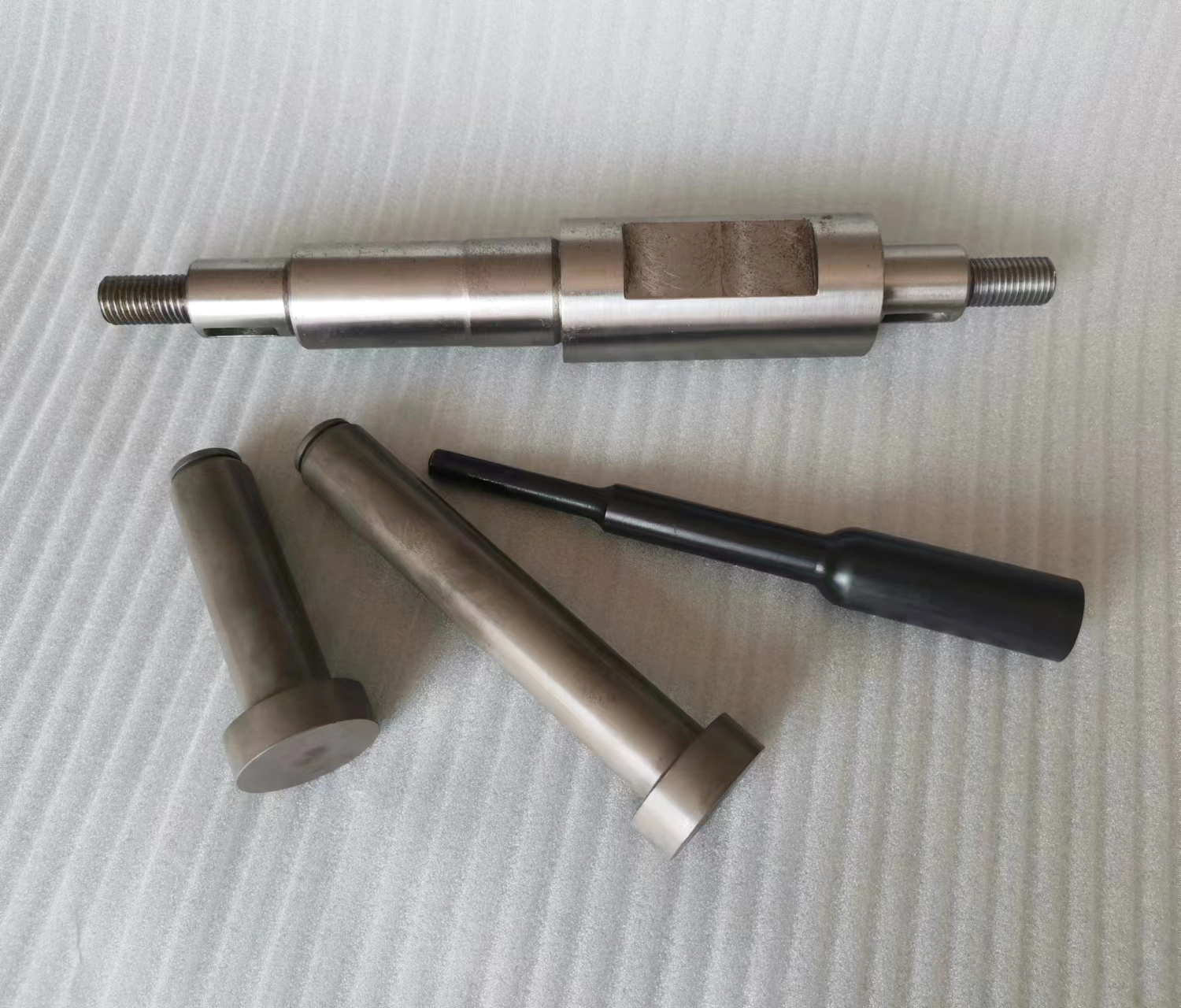
A myriad of stainless steel classifications proves fitting for the realm of CNC machining: 303 Stainless Steel(SUS303): Acclaimed for its notable machinability. 304
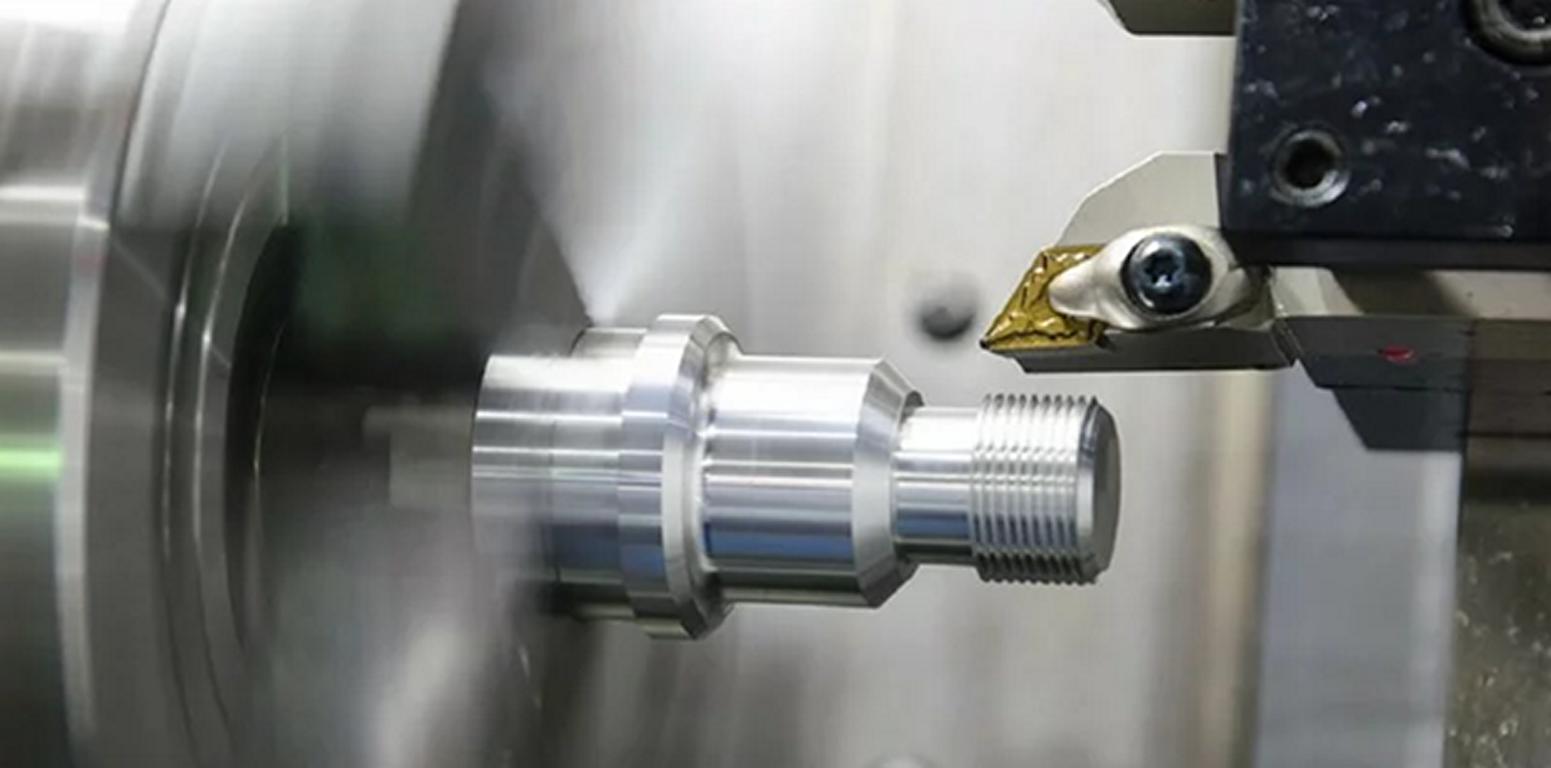
Engaging Computer Numerical Control (CNC) technology in the fabrication of stainless steel components presents a paradigm shift in manufacturing. The precision excellence inherent in CNC,

Material Grade: Opt for the apt stainless steel classification contingent on sought-after attributes like resistance to corrosion and hardness. Design Complexity: Scrutinize the intricacy
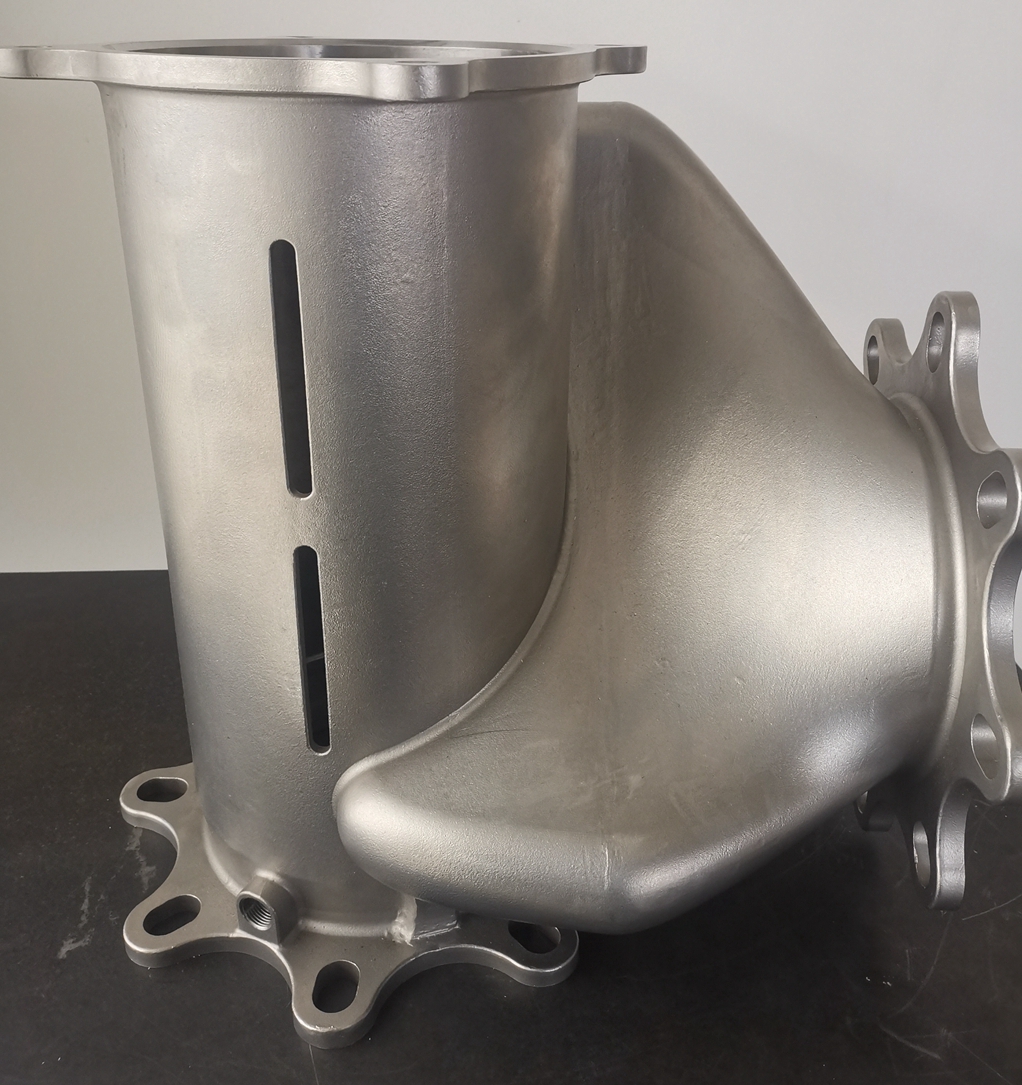
Machining stainless steel presents a formidable challenge due to its unyielding nature, resilience, and inclination to undergo work hardening. Nonetheless, a variety of Computer Numerical
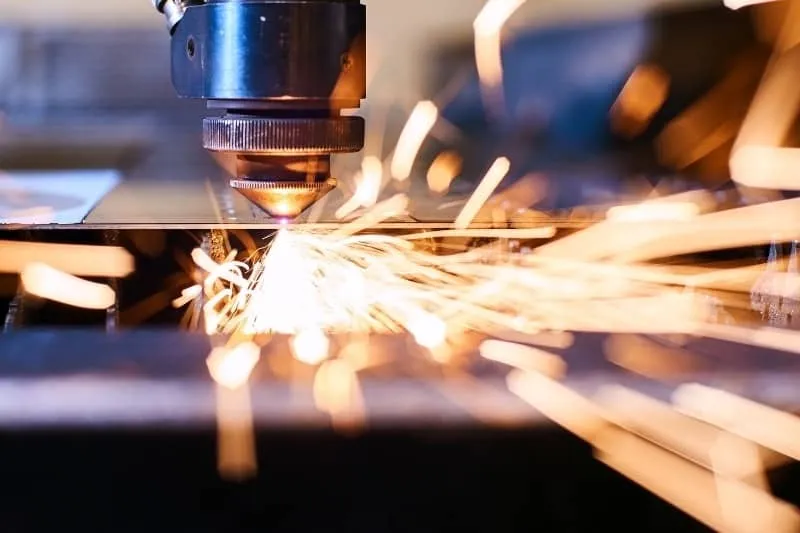
Depending upon the features and needs of different parts, a precise CNC machining technique is used accordingly. Milling because of its versatility is perfect for
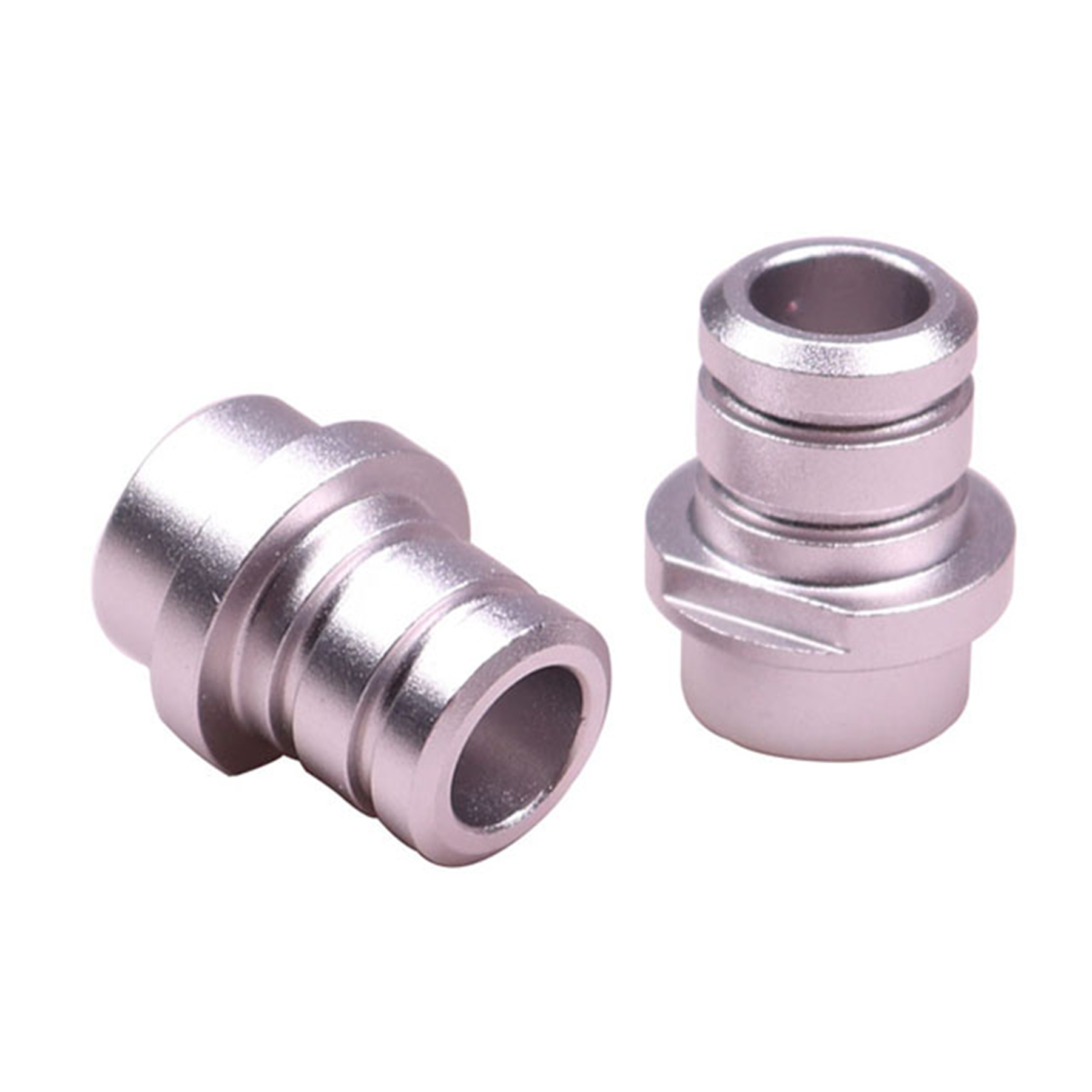
Medical precision parts refer to a multitude of components critical for different medical devices. These components are carefully designed to the highest standards of quality

Powder Metallurgy is a manufacturing process that forms metal or ceramic components from fine powders. The material selection is vast and crucial, determining the final