The Yield of a Metal Component
The “yield” of a metal component is a fundamental mechanical property that defines the transition point from elastic to plastic deformation. Understanding this point is critical in

The “yield” of a metal component is a fundamental mechanical property that defines the transition point from elastic to plastic deformation. Understanding this point is critical in

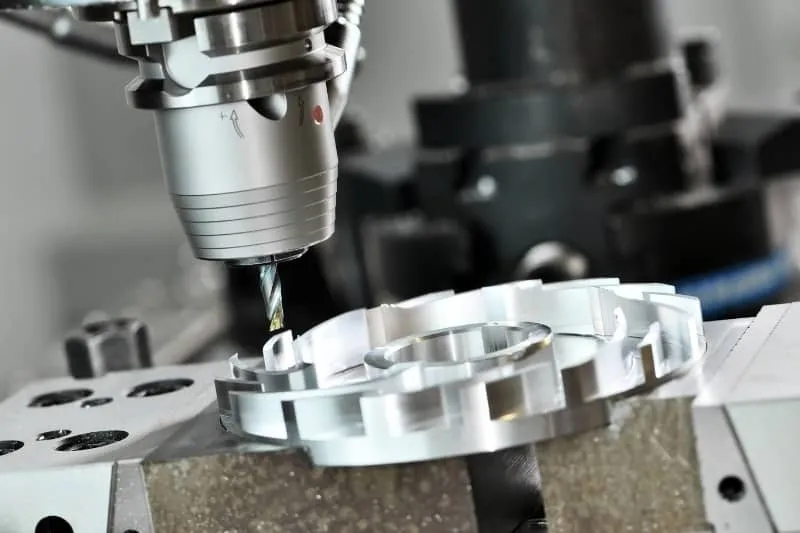
On the other hand, in angle milling, you use the specialized milling cutters like tapered one that are flare or cone-shaped but can be adjusted

Chrome plating, also known as chromium plating, is an electroplating process that involves applying a thin layer of chromium onto a metal or plastic object.

As the name suggests, you can use the slot milling operation to carve a channel of any size in the material, which you say like

The world of 3D printing has evolved far beyond basic plastics. The choice of material is now critical, as it directly impacts the strength, flexibility,

End milling is the most versatile milling operation among all, as the cutter used has actually cutting edges on both ends or sides. Thus, you

If we talk about the peripheral milling, then you can say it’s the opposite of the face milling. This is because, unlike face milling, here

The Reduction of Area (RA) is a fundamental, quantitative measure of ductility obtained from a tensile test on a material specimen. It expresses the extent to which a material

Face milling is a beloved process in manufacturing industries as it is actually used to smooth the uneven surfaces. Here actually, the cutter moves in

Anodizing is an electrochemical process that converts a metal surface into a durable, decorative, corrosion-resistant, and wear-resistant anodic oxide finish. It is most commonly applied to aluminum, but
WhatsApp us
Ready to Work Together? Build a project with!
*You can upload your design here so that we can provide you with a more accurate quote.