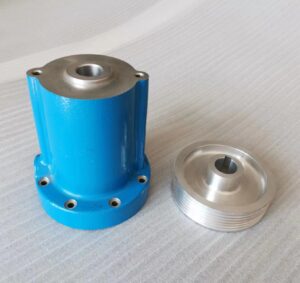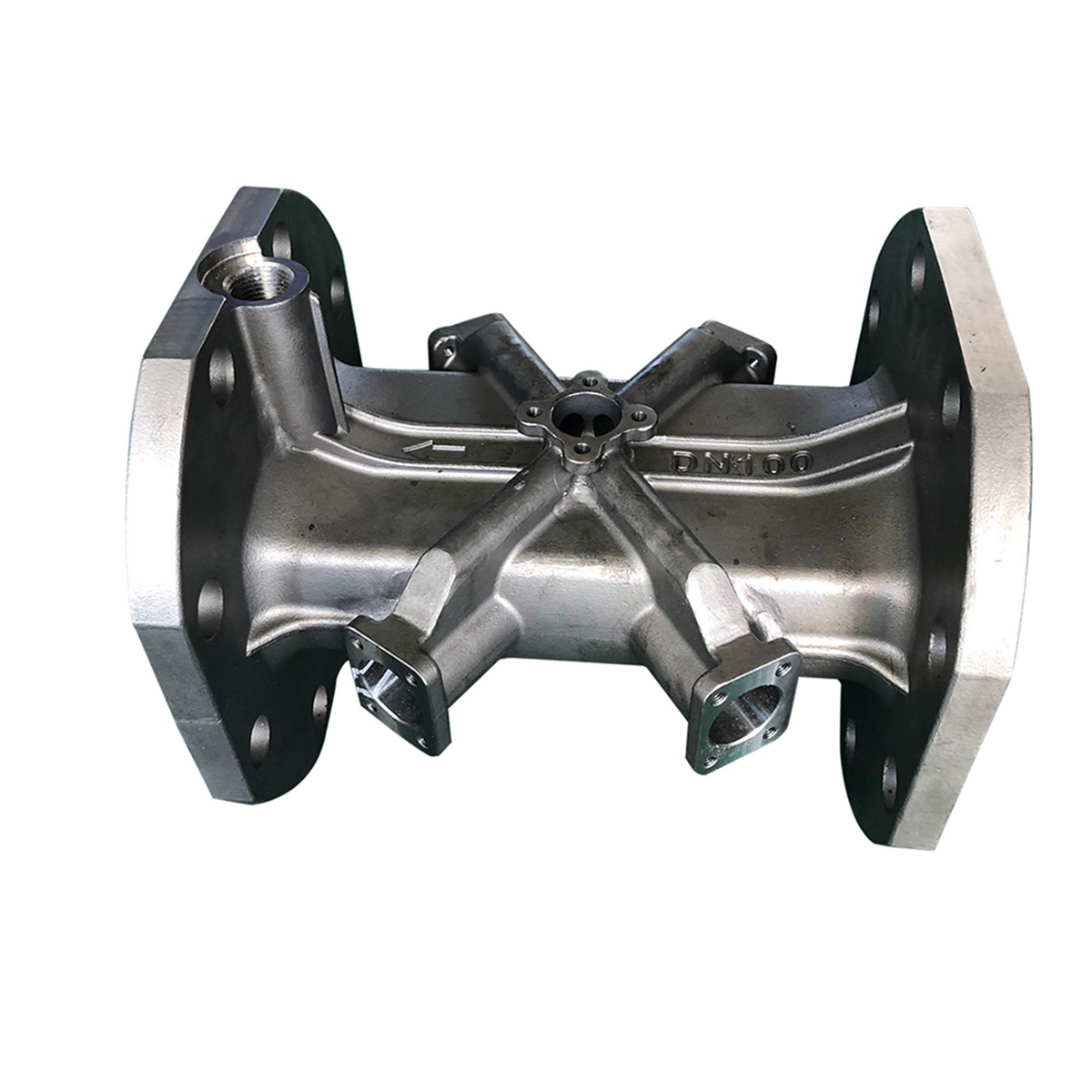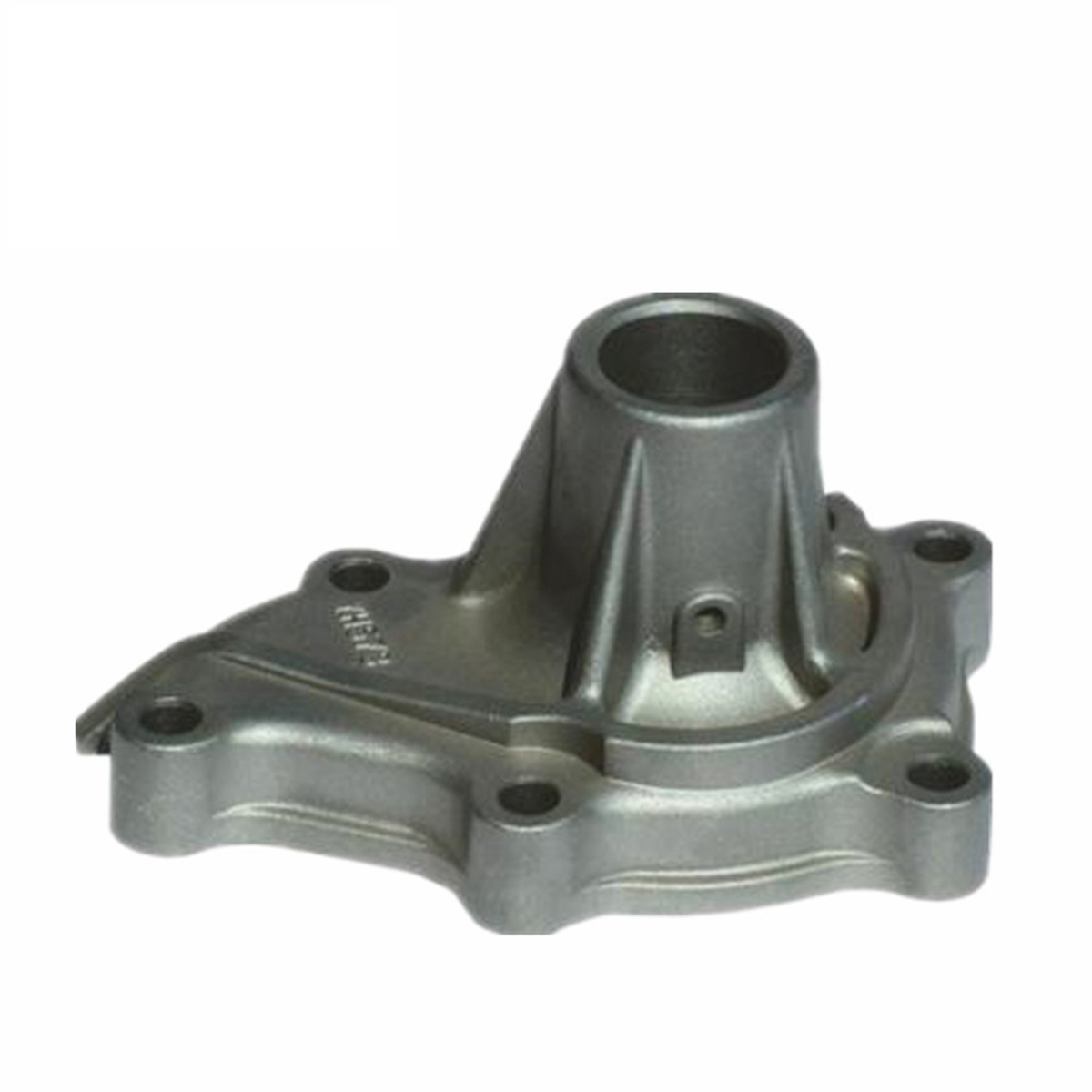
Aluminum casting involves pouring molten aluminum into a mold to form components with precise shapes and sizes. The most common methods include:
Die casting: Ideal for mass production, it delivers high dimensional accuracy with excellent surface finishes.
Sand casting: Suitable for lower-volume runs or larger components.
Investment casting: Used for intricate and delicate shapes requiring smooth surfaces.
Aluminum alloys typically contain elements like silicon, magnesium, and copper, which improve strength and corrosion resistance. What makes cast aluminum stand out is its low density, making it three times lighter than steel, and its natural oxide layer, which shields against corrosion without requiring coatings.
This makes aluminum the material of choice for:
Die cast aluminum cookware
Cast aluminum BBQ grills
Control housings in automotive
Outdoor products like patio furniture