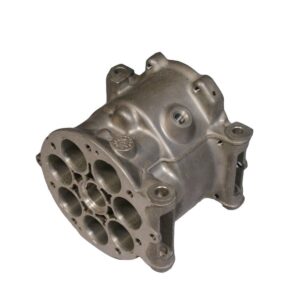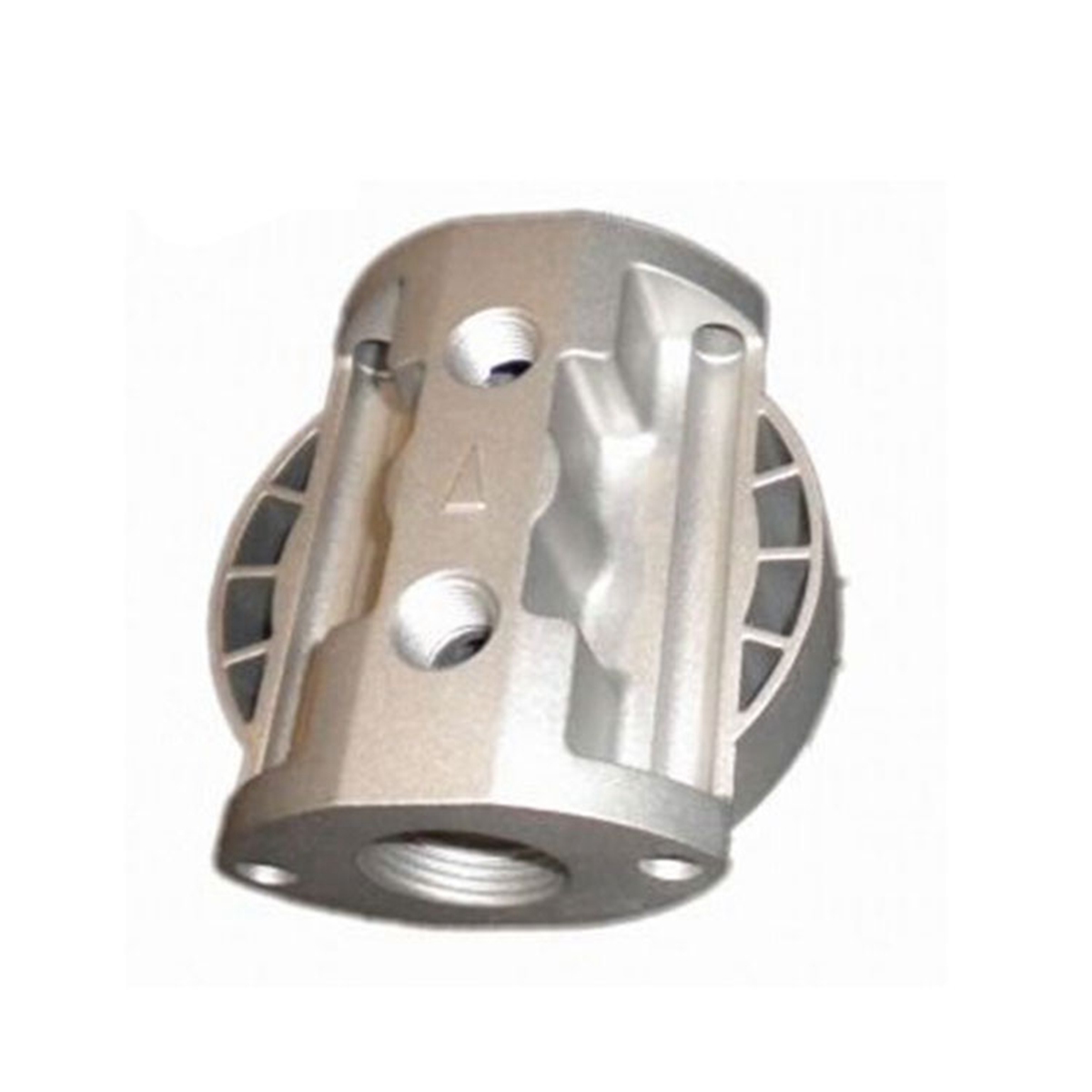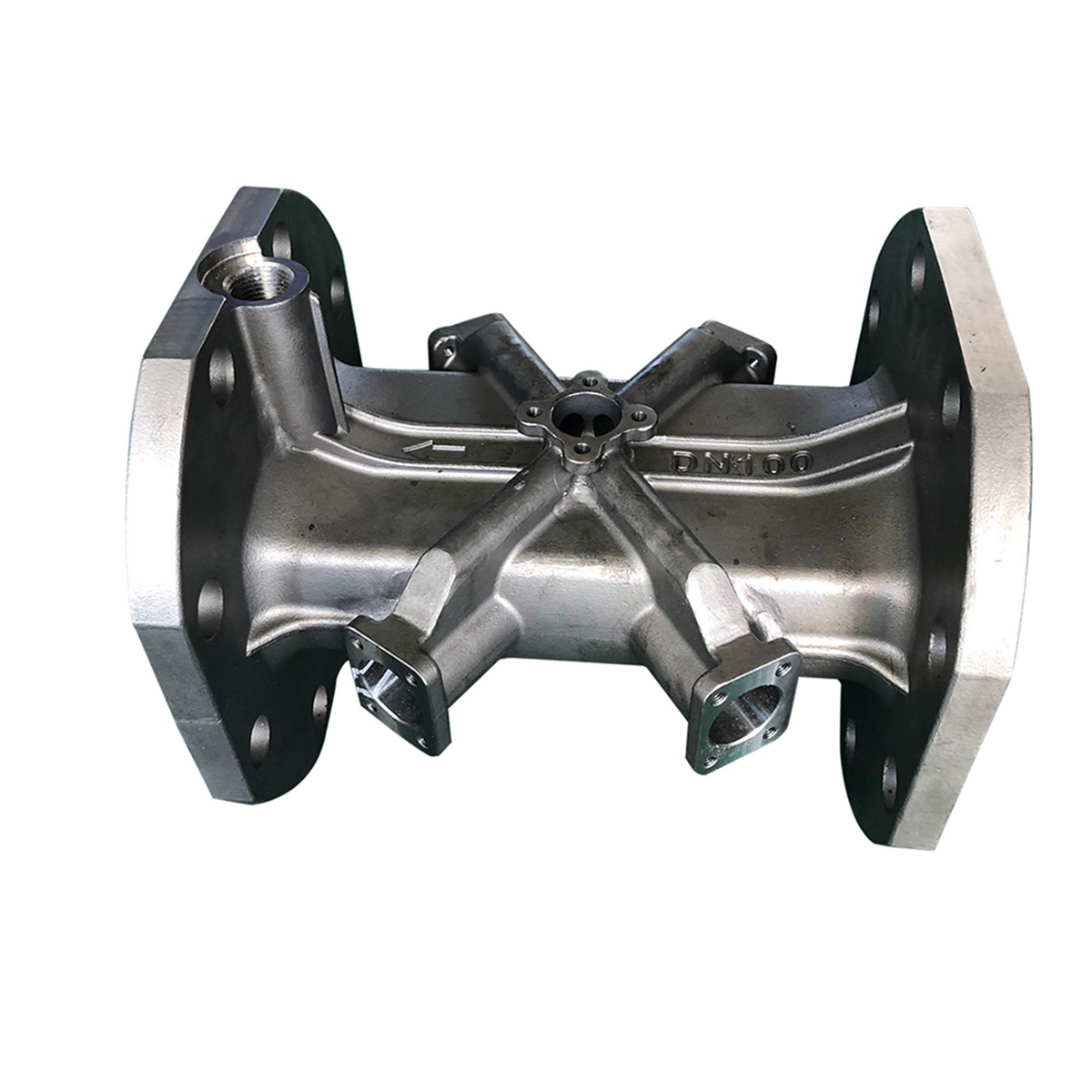
NDT in investment casting is often performed according to internationally recognized standards and customer-specific requirements. These standards define inspection procedures, acceptance criteria, and testing methods to ensure that investment castings meet the expected quality levels for different applications.
For manufacturers and buyers, following appropriate NDT standards provides a clear reference for evaluating casting quality. It also helps ensure that inspection results are consistent, reliable, and accepted across different markets.
ASTM Standards for NDT Inspection
ASTM International develops widely recognized technical standards for materials, manufacturing processes, and inspection methods. Many investment casting projects use ASTM guidelines to define testing procedures and quality requirements.
Common ASTM-related inspection standards may cover:
Dye penetrant testing procedures
Radiographic examination requirements
Magnetic particle inspection methods
Material and casting specifications
Following recognized ASTM standards helps manufacturers establish consistent inspection processes and provides customers with confidence in product quality.
ASME Inspection Requirements
For components used in pressure-related or safety-critical applications, ASME standards are often referenced to define acceptable quality levels and inspection procedures.
ASME requirements may involve specific criteria for:
Internal casting integrity
Surface defect limitations
Inspection documentation
Acceptance requirements
Investment castings used in demanding applications may require additional NDT verification to ensure they can withstand operating conditions.
ISO Quality Management Standards
ISO standards provide internationally recognized frameworks for quality management systems and manufacturing control. Although ISO standards do not replace specific NDT procedures, they help manufacturers establish consistent processes for production, inspection, documentation, and continuous improvement.
A well-managed quality system supports reliable NDT in investment casting by ensuring that inspection procedures are properly controlled and consistently applied.
Customer-Specific Inspection Requirements
In addition to international standards, many customers provide their own inspection requirements based on product application and industry expectations.
These requirements may include:
Specific NDT methods
Inspection frequency
Acceptance criteria
Required inspection reports
Third-party verification
Experienced foundries must be able to adapt inspection procedures according to different project specifications while maintaining stable manufacturing quality.
Inspection Documentation and Traceability
Proper documentation is an important part of NDT in investment casting. Inspection records provide evidence that castings have been tested according to the agreed requirements.
Depending on customer needs, documentation may include:
NDT inspection reports
Dimensional inspection reports
Material certificates
Testing records
Quality certificates
Maintaining complete inspection records improves product traceability and helps customers verify casting quality throughout the supply chain.
By following recognized standards and maintaining controlled inspection procedures, manufacturers can ensure that NDT in investment casting provides meaningful quality verification rather than simply acting as a final inspection step. This systematic approach helps deliver reliable investment cast components that meet the expectations of global industrial customers.