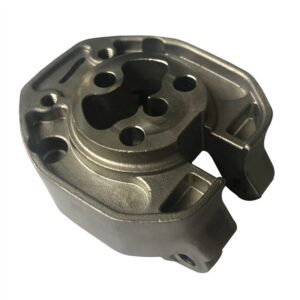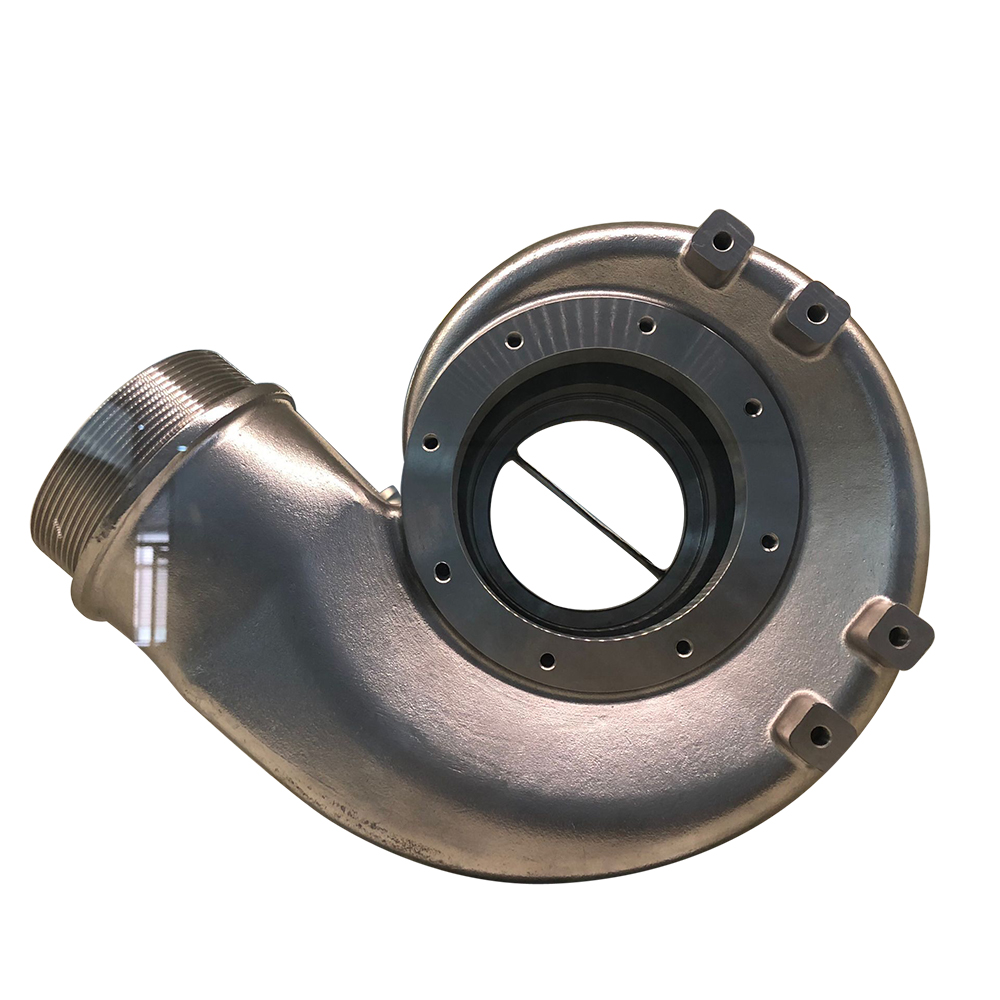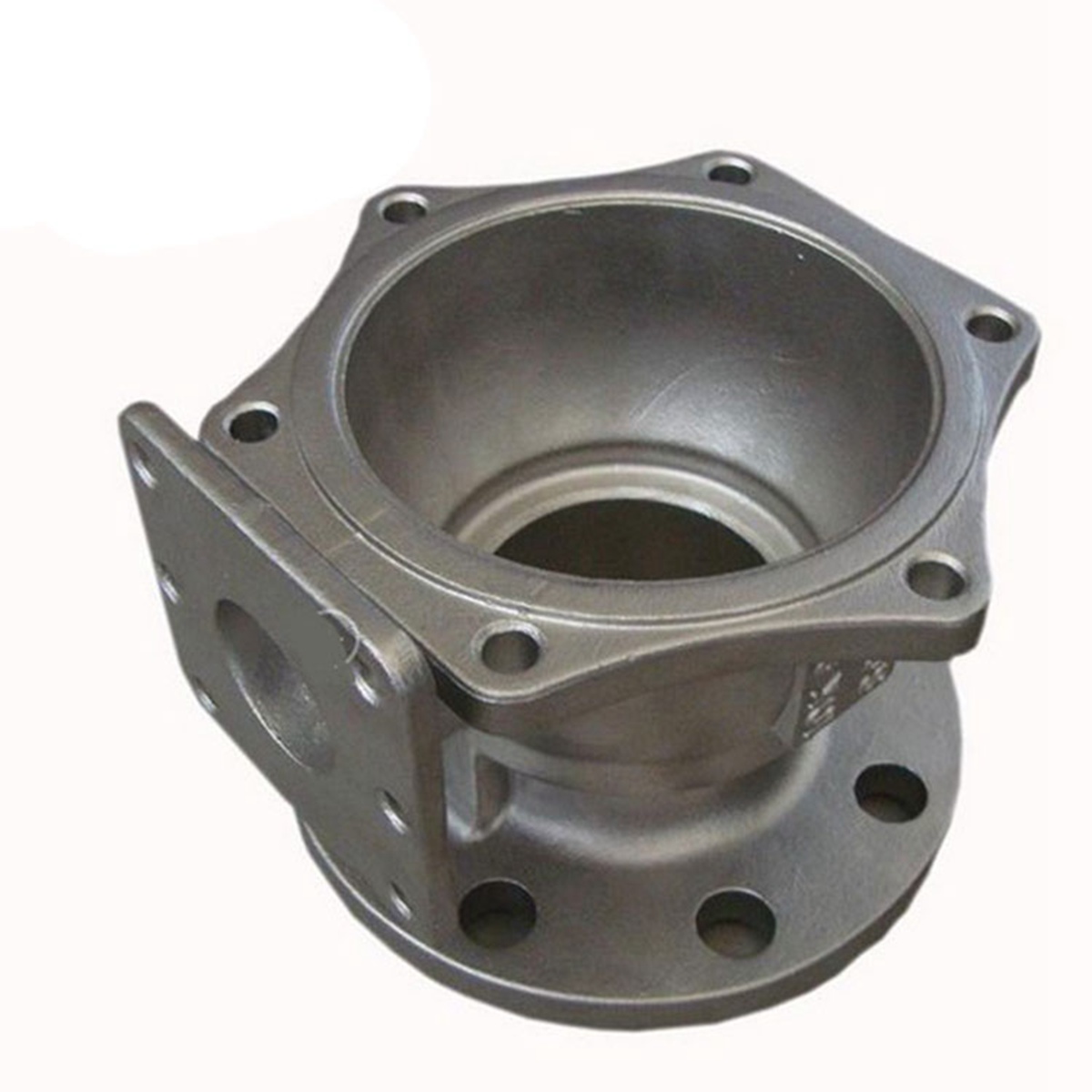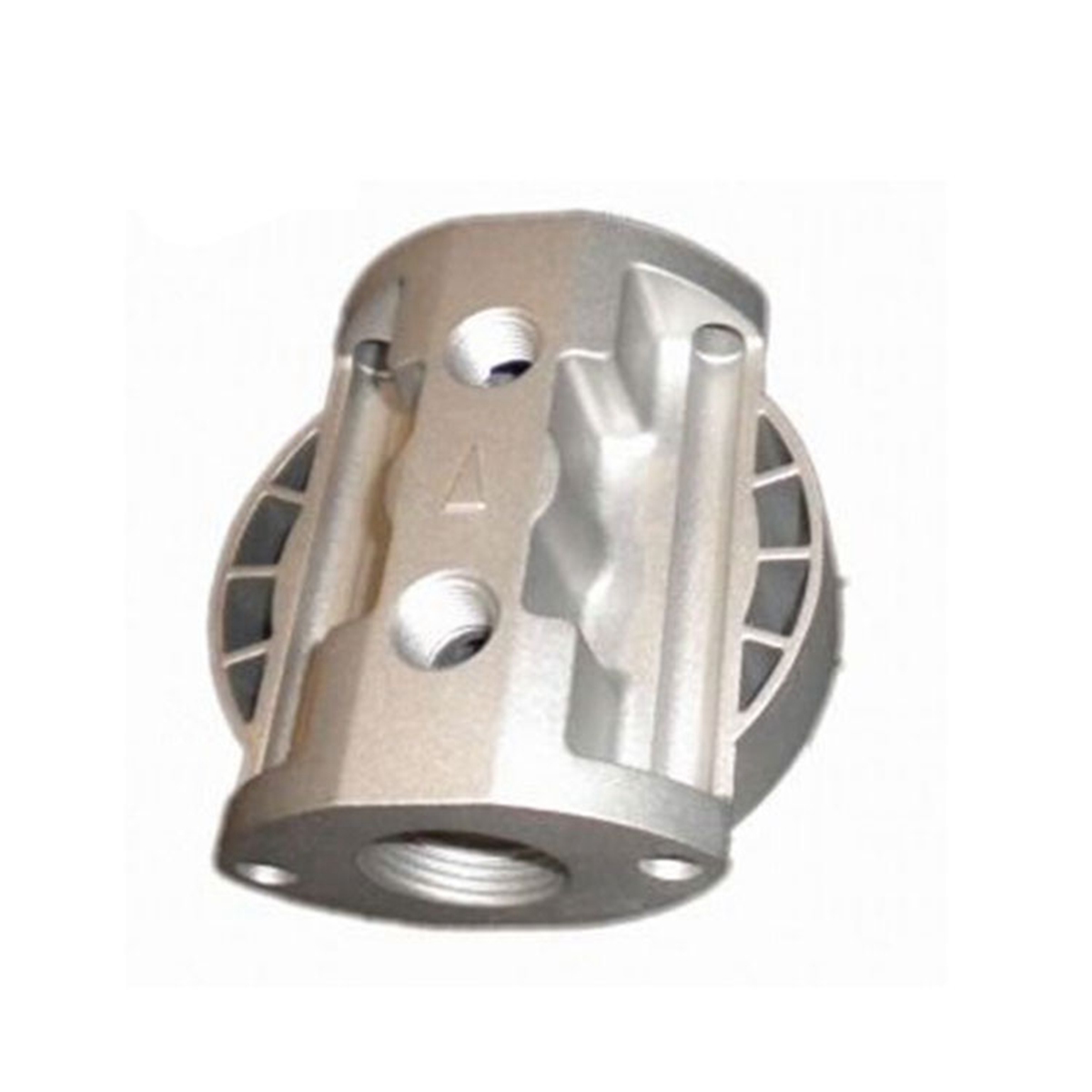
NDT in investment casting plays an important role in identifying defects that may affect the strength, durability, and performance of precision cast components. Although investment casting is capable of producing high-quality parts with excellent accuracy and surface finish, defects may still occur due to factors such as material behavior, mold filling conditions, solidification patterns, and cooling processes.
By applying suitable NDT methods, manufacturers can detect these issues before components are delivered to customers. Different inspection techniques are used to identify different types of defects, depending on whether the problem occurs on the surface, near the surface, or inside the casting.
Cracks
Cracks are one of the most critical defects that can occur in investment castings. They may develop during solidification, cooling, heat treatment, or later processing stages due to internal stress or improper process control.
Surface cracks can often be detected through dye penetrant testing or magnetic particle testing, while internal cracks may require radiographic testing or ultrasonic testing for identification.
Because cracks can significantly reduce the mechanical strength and service life of a component, detecting them through NDT in investment casting is essential for applications requiring high reliability.
Porosity
Porosity refers to small voids or gas pockets that form inside a casting. These defects may occur when gas becomes trapped in the molten metal during pouring or solidification.
Although small amounts of porosity may not always affect performance, excessive porosity can reduce material strength, pressure resistance, and fatigue performance. Radiographic testing and ultrasonic testing are commonly used to detect internal porosity that cannot be observed through surface inspection.
Shrinkage Cavities
Shrinkage cavities occur when molten metal cannot fully compensate for volume reduction during solidification. These defects are usually found in thicker sections or areas where cooling is uneven.
NDT methods such as radiographic testing help identify shrinkage cavities by revealing internal areas where the metal has not completely filled or solidified properly.
Inclusions
Inclusions are unwanted non-metallic materials trapped inside the casting during the manufacturing process. They may come from impurities in raw materials, slag, mold materials, or reactions during melting.
Internal inclusions can negatively affect mechanical properties and may become starting points for cracks under stress. Radiographic inspection and metallurgical analysis are often used to evaluate these defects.
Misruns and Cold Shuts
Misruns occur when molten metal fails to completely fill the mold cavity before solidifying. Cold shuts happen when two streams of molten metal meet but fail to fuse properly.
These defects usually appear on the surface of the casting and may affect the overall integrity of the component. Visual testing is commonly used for initial detection, while additional inspection methods may be applied depending on the severity and application requirements.
Surface Defects
Surface defects include rough areas, small cracks, incomplete filling, and irregular surface conditions. Although some surface imperfections may only affect appearance, others can influence functionality or become potential failure points.
Visual testing and dye penetrant testing are frequently used to evaluate surface quality during the NDT in investment casting process.
Dimensional Variations
While dimensional deviation is not a traditional casting defect, it is an important quality concern for precision investment castings. Incorrect process control, improper shrinkage allowance, or tooling issues may cause finished components to exceed specified tolerances.
Dimensional inspection and CMM measurement help verify that castings meet customer drawings and technical requirements.