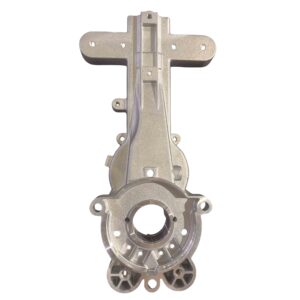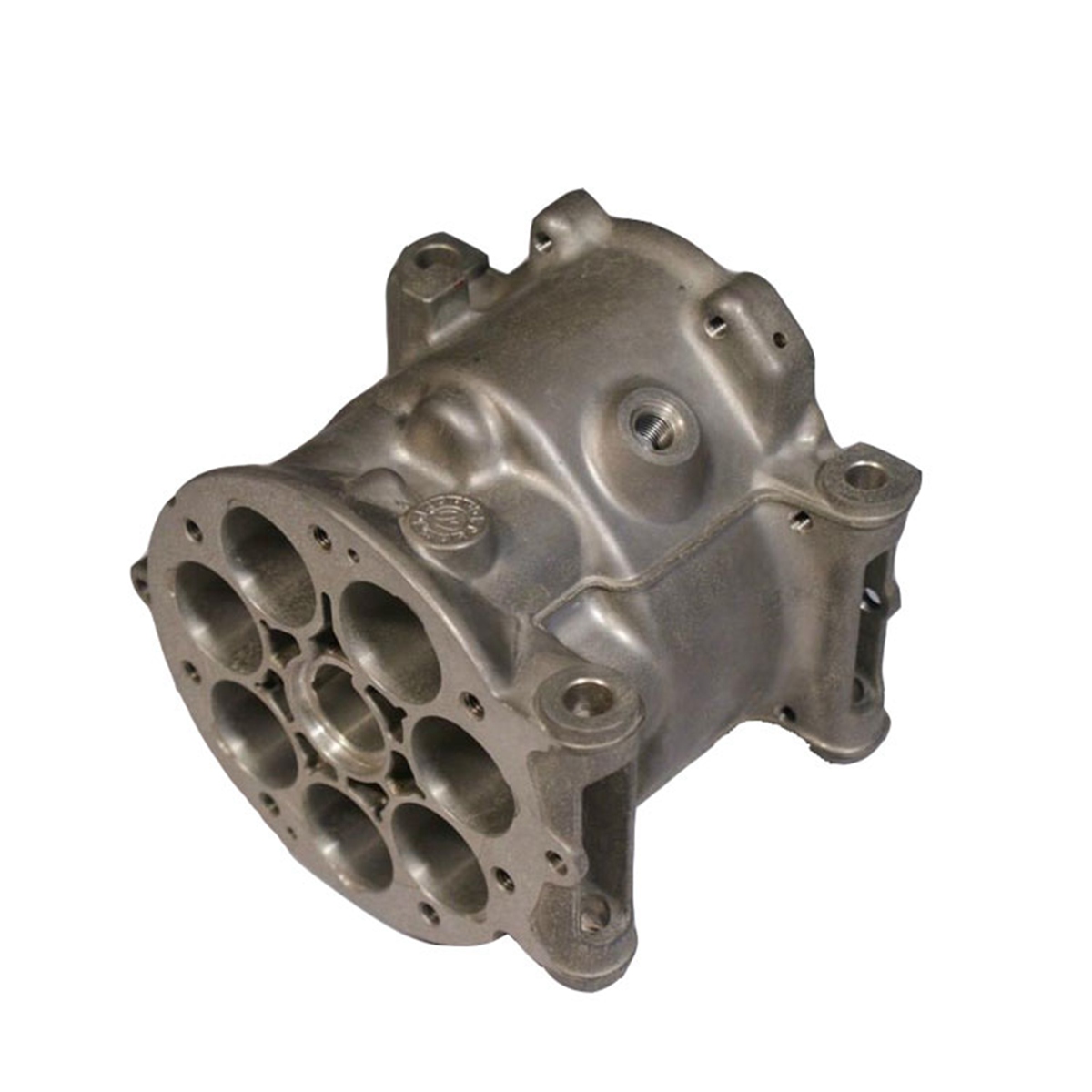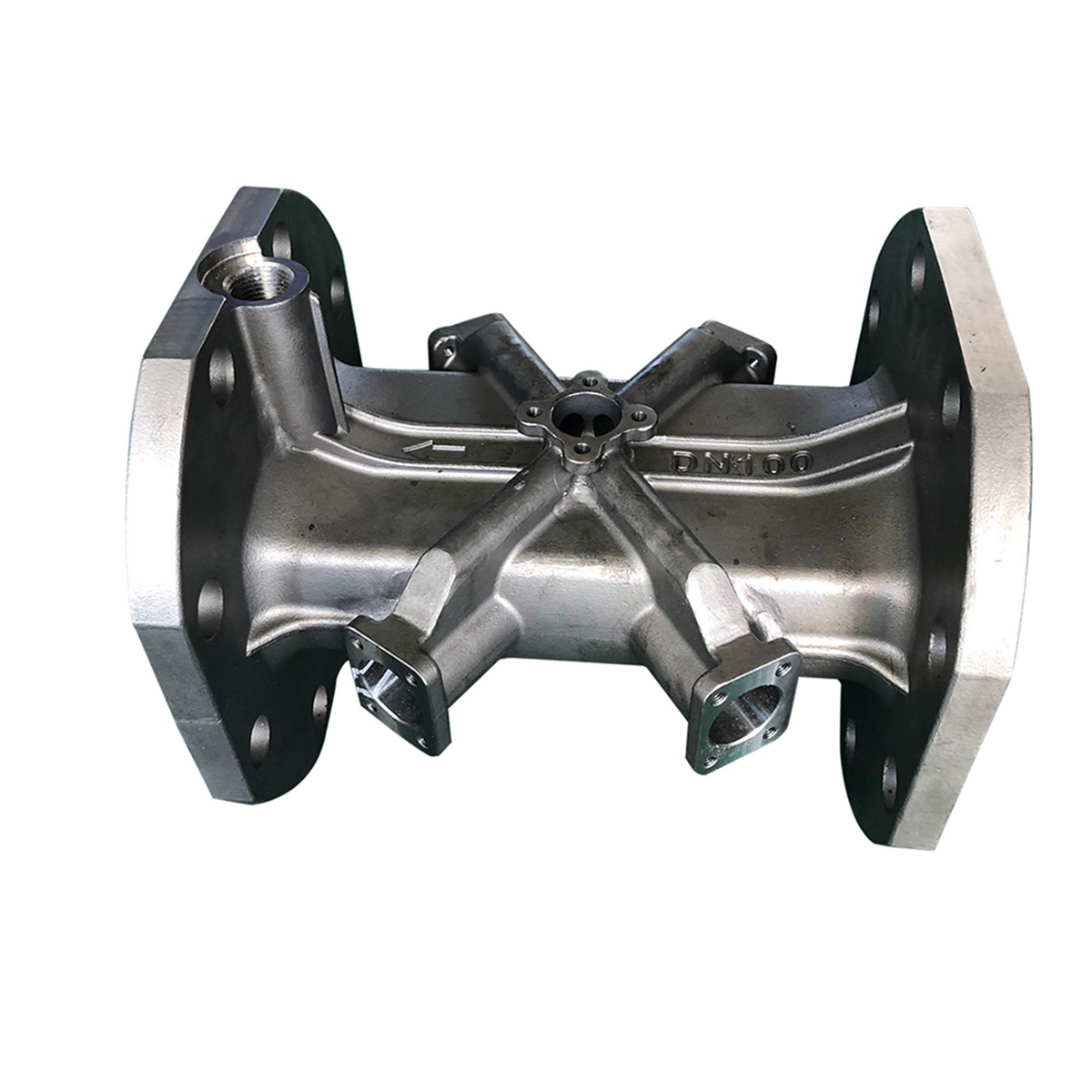
When selecting 316L stainless steel for valve castings, CF3M should be compared with other commonly used cast stainless steel grades rather than relying only on wrought-grade comparisons. CF8, CF8M, CF3M, and duplex stainless steel offer different combinations of corrosion resistance, strength, manufacturability, and cost.
| Comparison | Key Material Difference | Corrosion Resistance | Strength | Cost | When to Consider |
| CF3M vs CF8M | Both contain Mo, but CF3M has lower carbon | Both provide good resistance to general and localized corrosion; CF3M’s lower carbon is beneficial where sensitization is a concern | Similar general level | Similar | CF3M is often considered when low-carbon characteristics associated with 316L are required |
| CF3M vs CF8 | CF3M contains Mo and has lower carbon; CF8 is associated with the 304 stainless family | CF3M generally provides better resistance to pitting and crevice corrosion in many corrosive environments | Similar general level | CF8 is generally lower | CF8 suits less aggressive environments; CF3M is preferred when additional localized corrosion resistance is needed |
| CF3M vs Duplex Stainless Steel | CF3M is austenitic; duplex has a mixed austenitic-ferritic structure | Duplex generally provides better resistance in demanding chloride environments | Duplex is generally higher | Duplex is generally higher | Duplex may be preferable for severe chloride exposure or higher-strength requirements |
| CF3M / 316L-Type Casting | Low-carbon, Cr-Ni-Mo austenitic stainless steel | Good general corrosion resistance with improved resistance to localized corrosion | Good toughness and ductility | Medium | Chemical processing, water treatment, petrochemical and other suitable corrosive services |
For 316L stainless steel for valve castings, there is no single material that is best for every application. CF8 may reduce cost in mild environments, CF3M offers a useful balance of low-carbon characteristics and corrosion resistance, while duplex stainless steel can be considered for more severe chloride conditions or higher strength requirements.
The final choice should be based on the process medium, chloride concentration, operating temperature, pressure, corrosion requirements, and applicable material specification.