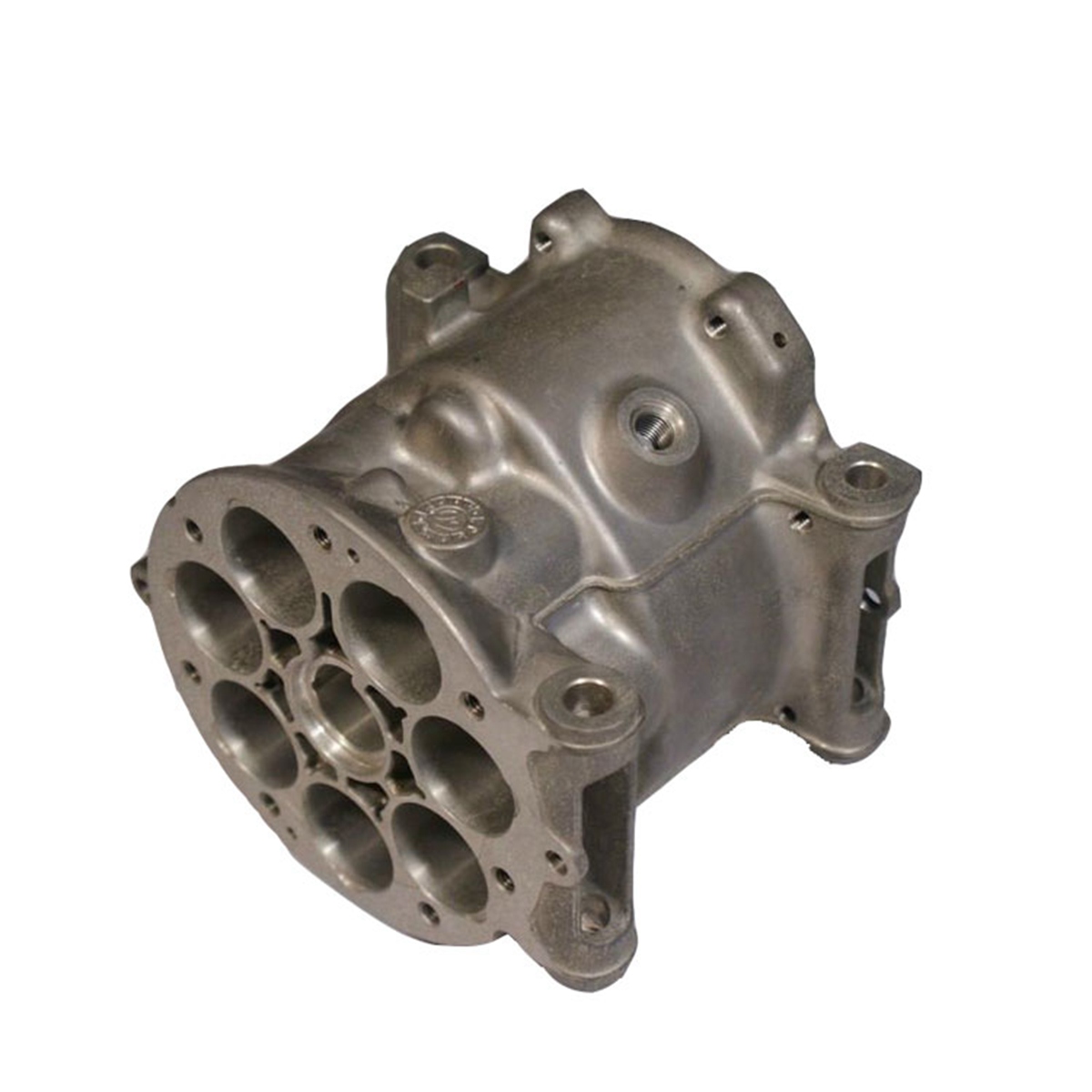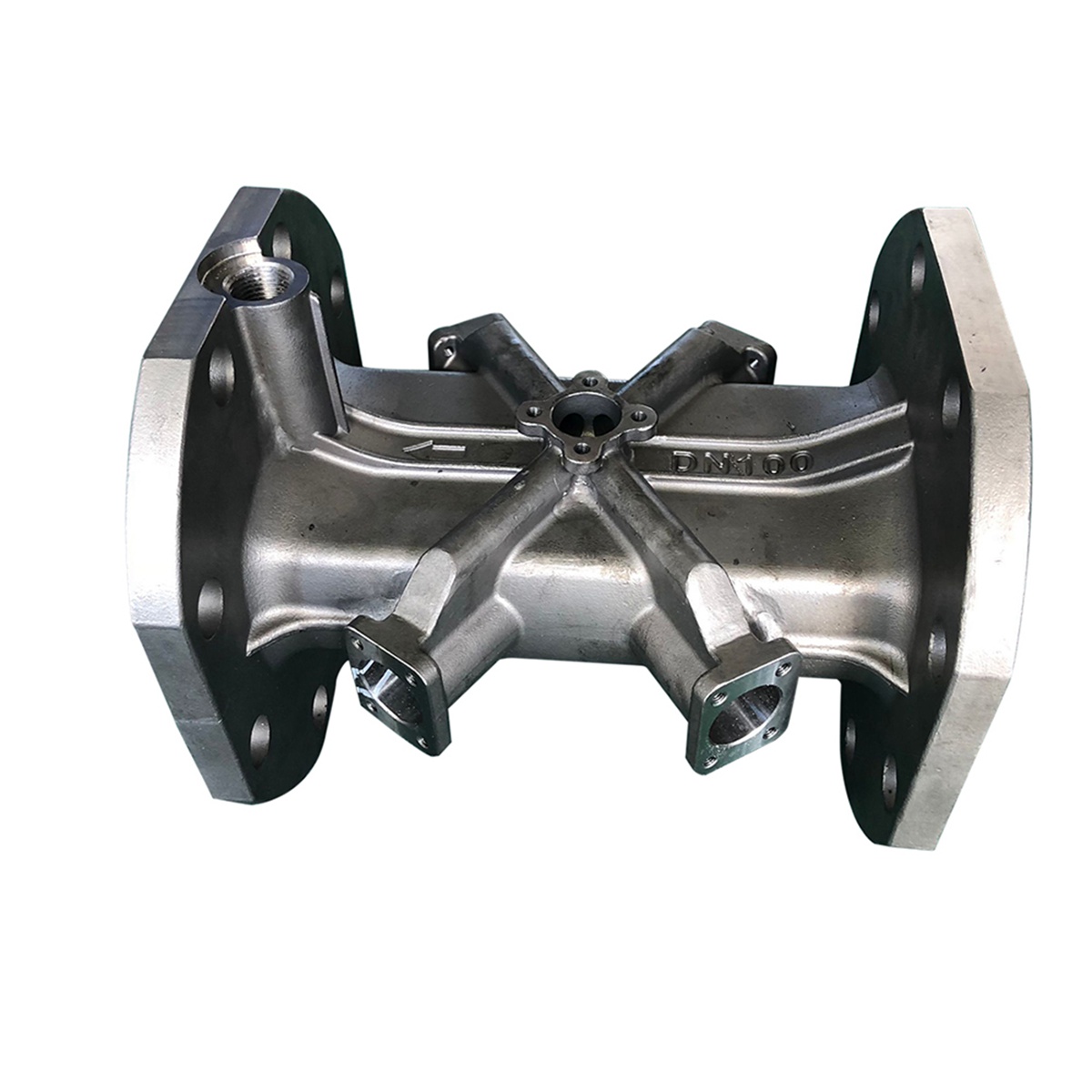
Understanding where investment casting vs die casting fits into real-world manufacturing is essential for selecting the right process. Each method is preferred in specific industries due to its performance characteristics, cost structure, and design flexibility.
Automotive
Die Casting:
- Widely used in the automotive industry due to high-volume demand and strict dimensional consistency.
- Common parts: transmission housings, brackets, covers, engine blocks, and structural components.
- Preferred materials: aluminum and magnesium alloys for lightweight performance and fuel efficiency.
- Benefit: high-speed production with excellent repeatability and cost control.
Investment Casting:
- Applied in precision engine components, turbocharger parts, and exhaust systems where temperature resistance or complex internal features are needed.
- Used for high-performance or specialized vehicles where detail, strength, and heat resistance are critical.
Aerospace
Investment Casting:
- Preferred method for turbine blades, brackets, and structural components that must withstand extreme stress and temperature.
- Common materials: nickel-based superalloys, titanium, and heat-resistant steels.
- Benefit: tight tolerances, high strength, and minimal porosity make it suitable for flight-critical parts.
Die Casting:
- Limited use due to porosity concerns but may be used for non-structural components like housings or mounts.
Agriculture & Construction Equipment
Investment Casting:
- Used for valves, brackets, joints, and heavy-load components requiring strength and wear resistance.
- Important in lower volume, high-durability applications.
Die Casting:
- Ideal for high-quantity parts such as enclosures, handles, or covers.
- Efficient for standardized equipment parts with repeatable geometry.
Petrochemical Valves and Fittings
Investment Casting:
- Dominates in this sector due to the complexity and performance demands of valve bodies, fittings, and pipe components.
- High corrosion resistance and ability to work with exotic alloys make it the top choice for harsh chemical environments.
Die Casting:
- Rarely used, as the material limitations and porosity risk make it unsuitable for pressure systems.
Consumer Products
Die Casting:
- Common in appliance parts, electronics housings, power tools, and furniture components.
- Focused on appearance, cost, and production volume.
- Offers sleek surfaces and consistent quality at scale.
Investment Casting:
- Used in luxury goods, decorative hardware, and detailed metal components that require fine finishes and design complexity.
Summary:
- Die casting dominates where speed, volume, and dimensional uniformity are essential—especially in automotive and consumer goods.
- Investment casting is preferred in sectors demanding precision, strength, and material versatility—such as aerospace, petrochemicals, and high-end industrial parts.