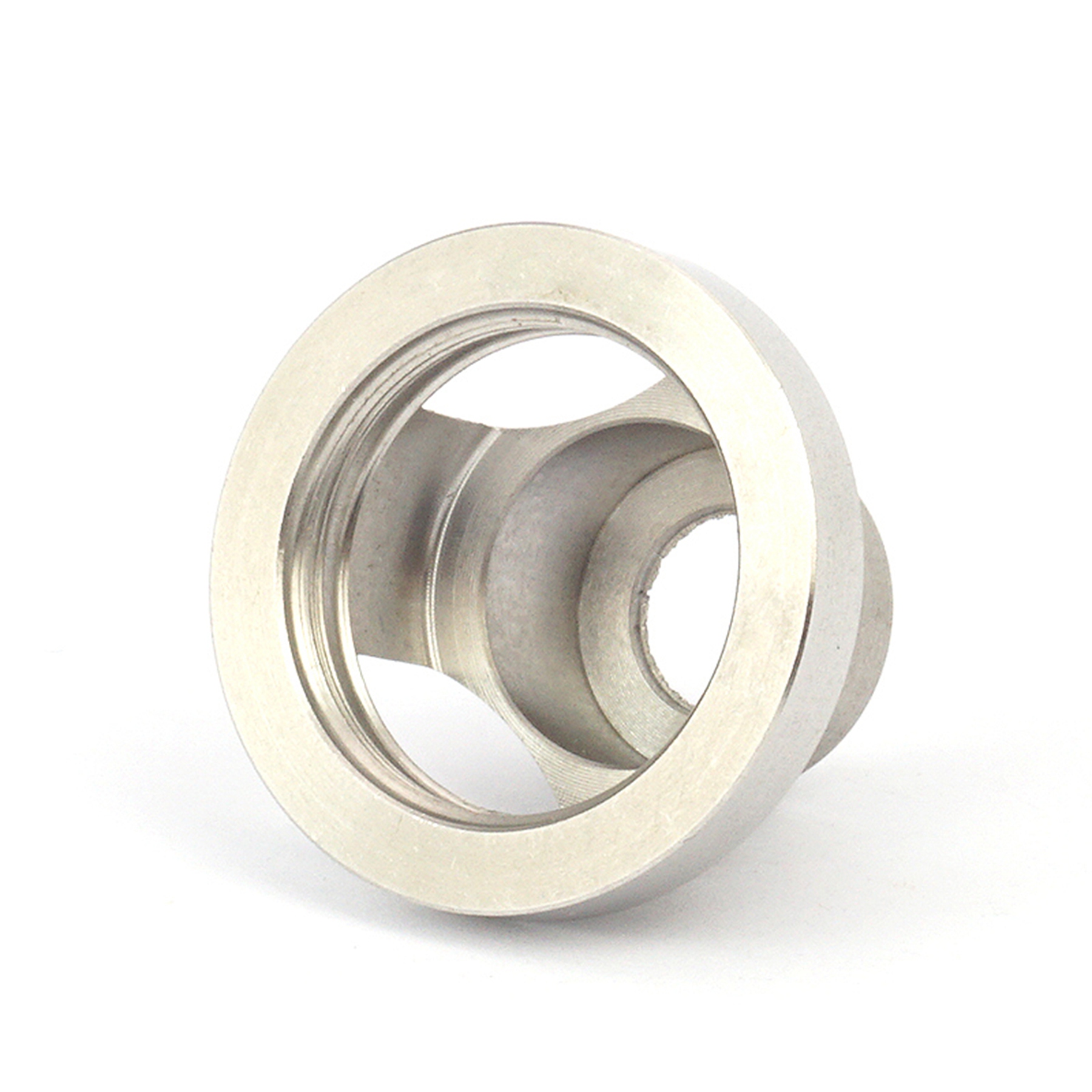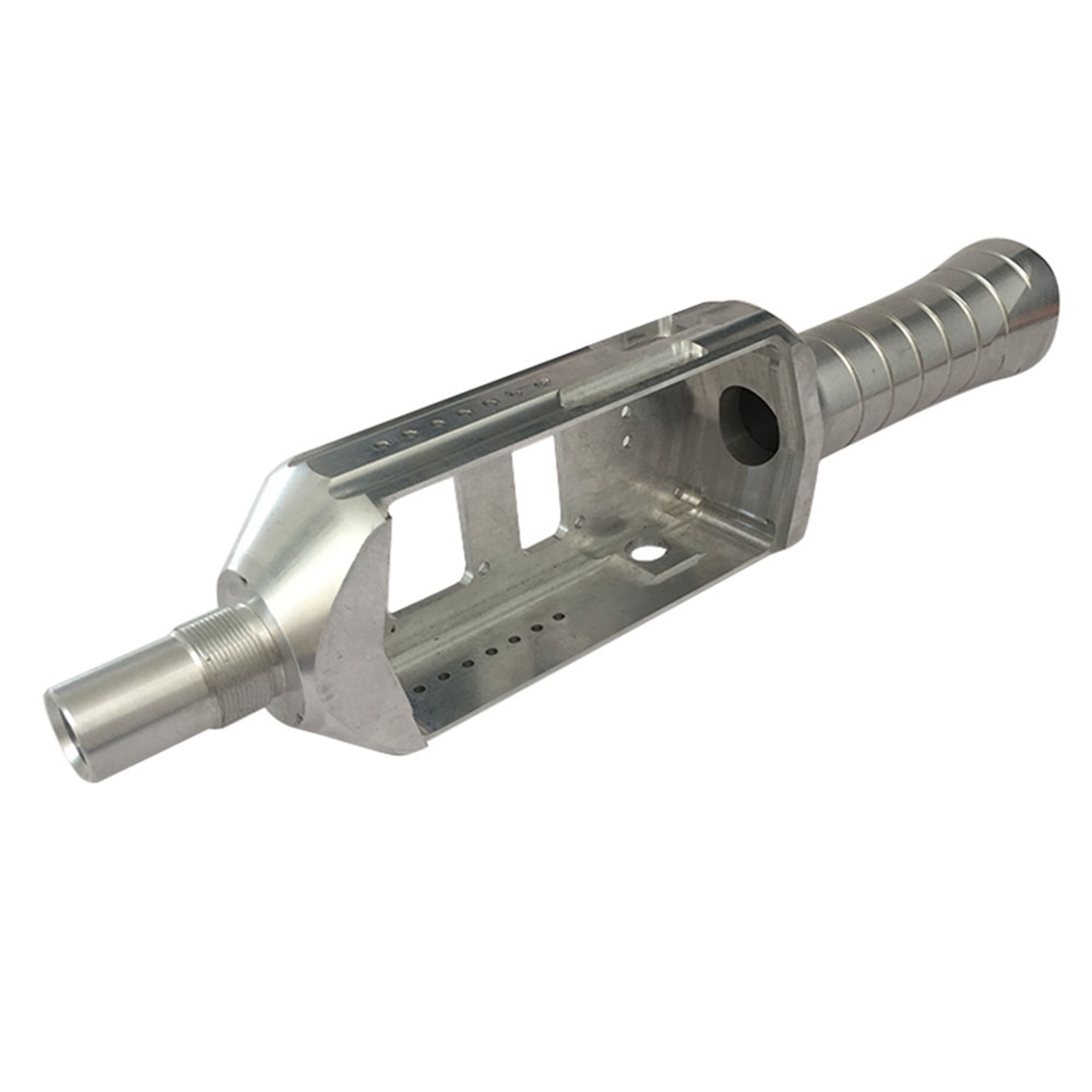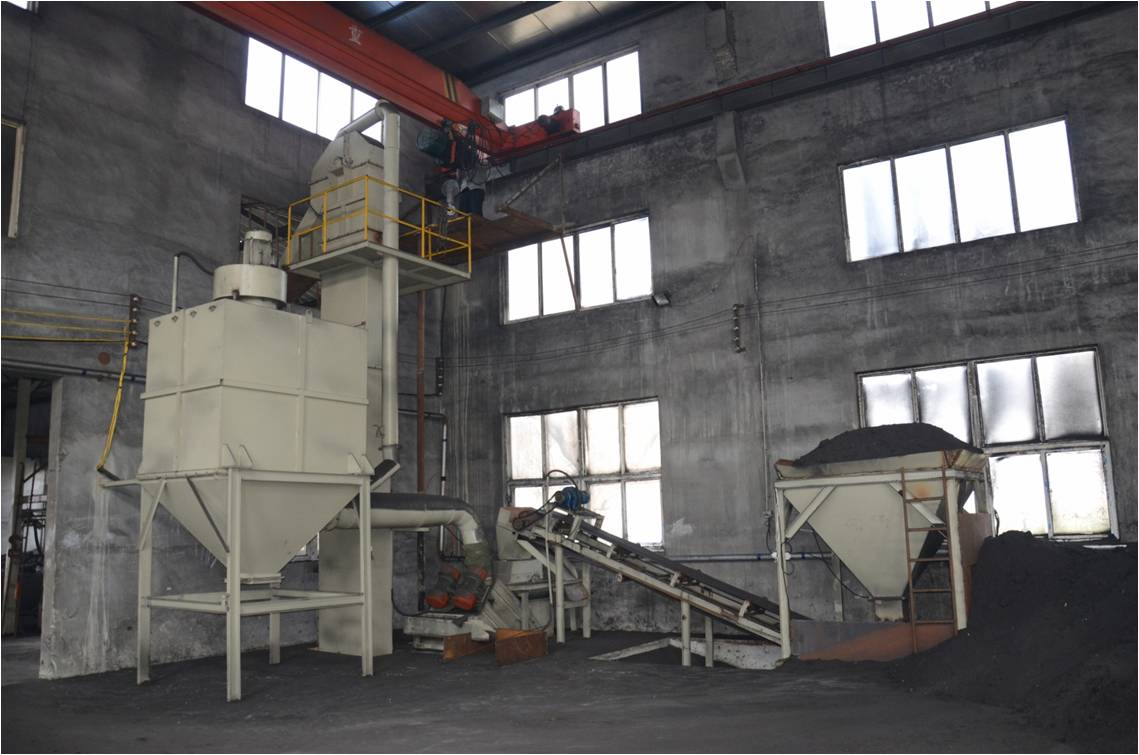
A foundry is a specialized manufacturing facility where metal is melted, poured into molds, and solidified into cast components with specific shapes and dimensions. Unlike machine shops that create parts by removing material from solid metal, a foundry forms components by casting molten metal into prepared molds. This manufacturing method allows complex metal parts to be produced efficiently while meeting a wide range of design and performance requirements.
The word “foundry” refers to both the facility and the manufacturing process carried out within it. A modern foundry combines engineering, metallurgy, mold production, melting, casting, finishing, and inspection into a complete production system. Depending on the products being manufactured, foundries may specialize in a single casting process or provide multiple casting technologies to meet different customer needs.
The foundry process begins with a product design or engineering drawing. Based on the required dimensions, material, and production quantity, a suitable mold is prepared. Metal is then heated until it reaches a molten state and carefully poured into the mold cavity. Once the metal cools and solidifies, the casting is removed from the mold, cleaned, and prepared for any necessary finishing operations before inspection.
Foundries manufacture components from a variety of metals, including stainless steel, carbon steel, alloy steel, aluminum, cast iron, brass, and bronze. Each material offers different mechanical properties and performance characteristics, allowing manufacturers to select the most appropriate alloy for specific engineering requirements.
Today, foundries are an essential part of the global manufacturing supply chain. They provide the cast components used in machinery, industrial equipment, transportation systems, infrastructure, energy projects, and countless other products. By transforming raw metal into finished castings, foundries support industries that depend on durable, reliable, and precision-engineered metal parts.