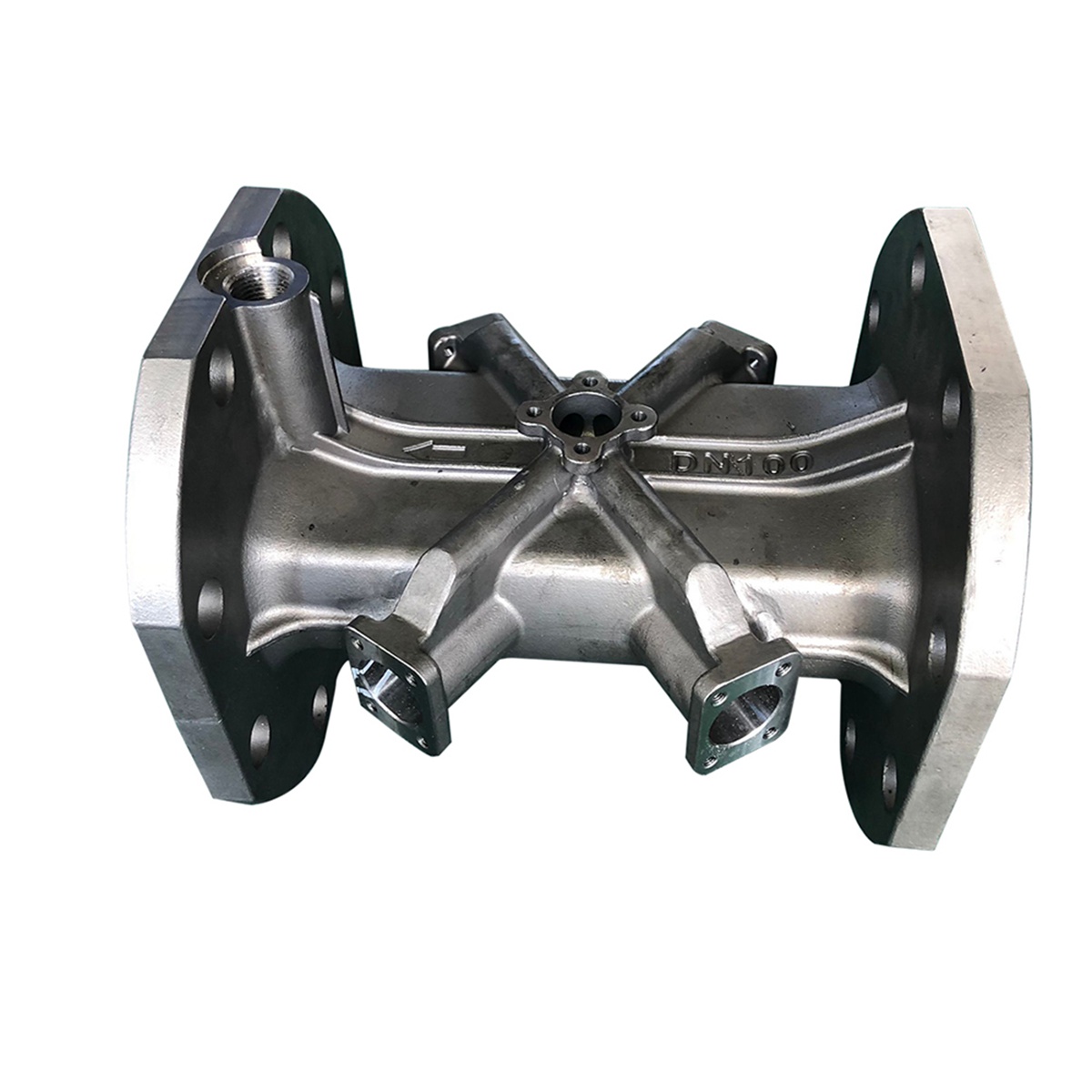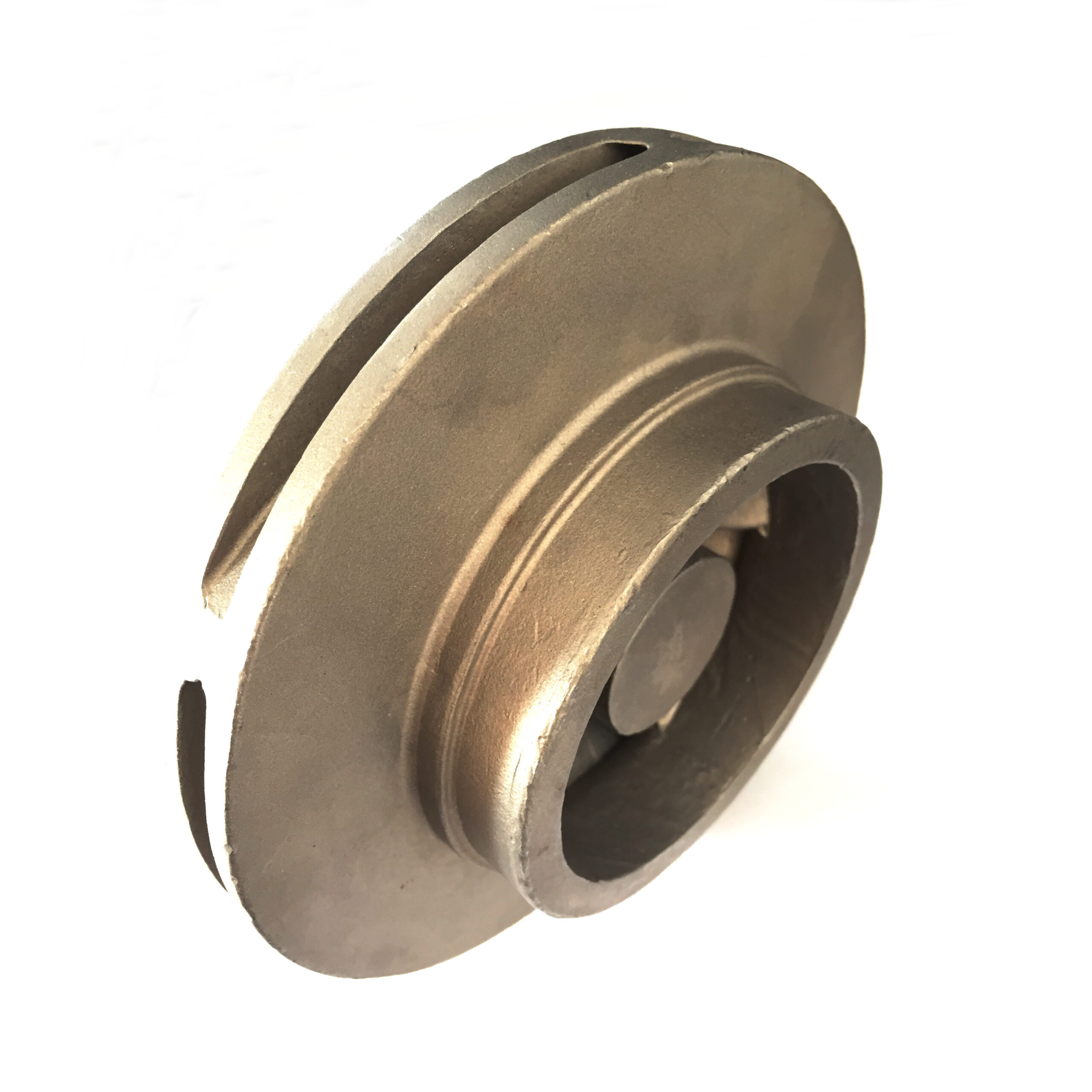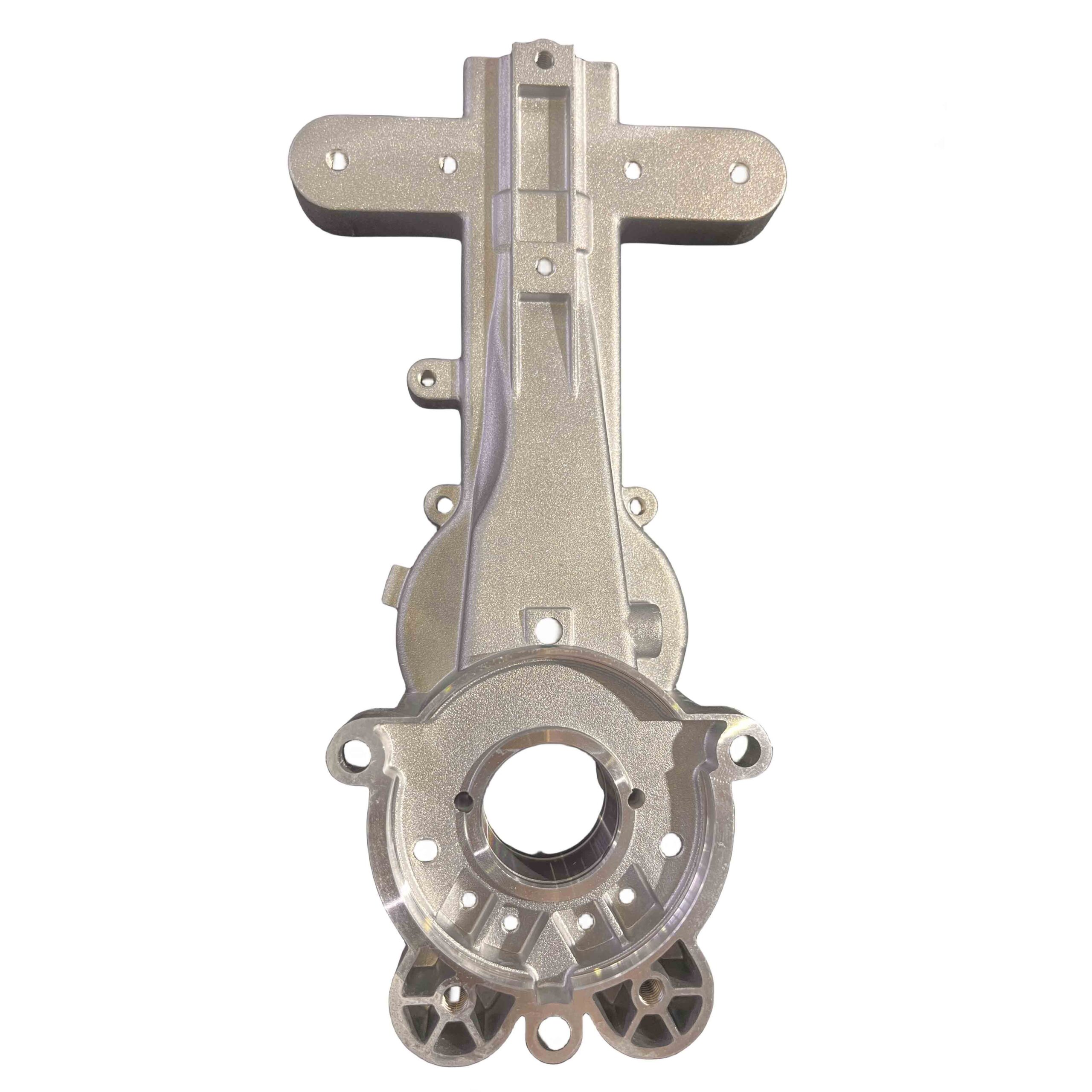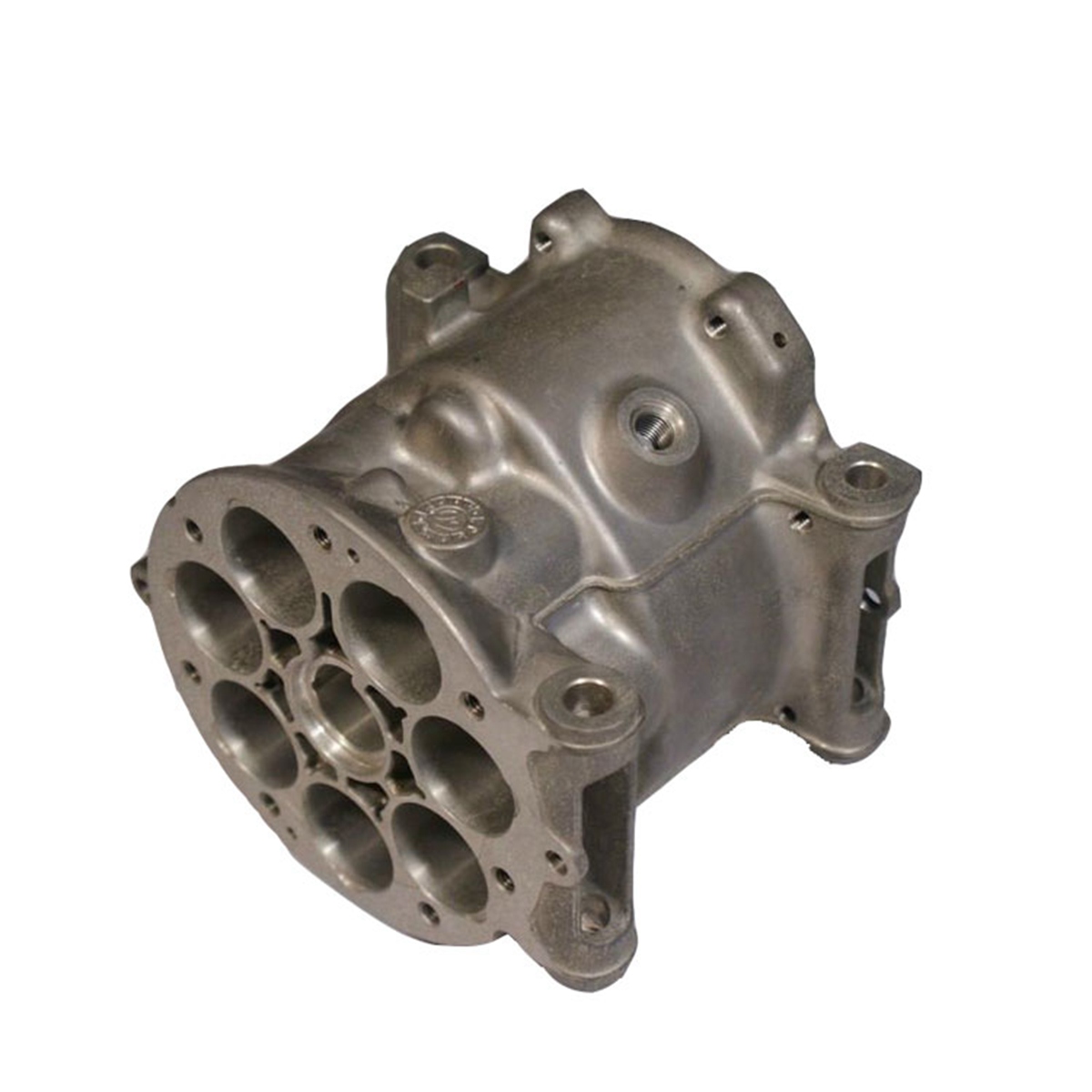
Understanding the factors that influence stainless steel investment casting costs helps buyers make informed purchasing decisions and better evaluate supplier quotations. While investment casting is known for producing high-quality and complex metal components, the final cost of a casting project can vary significantly depending on several key variables.
Material Selection
The choice of stainless steel grade has a direct impact on manufacturing costs. Different alloys contain varying amounts of chromium, nickel, molybdenum, and other alloying elements, which affect raw material prices.
For example, standard grades such as 304 stainless steel generally cost less than higher-alloy materials such as 316 stainless steel or duplex stainless steel. Material availability and market fluctuations can also influence overall project costs.
Part Size and Weight
Larger castings require more raw material and longer production times. As casting weight increases, material consumption, melting requirements, and handling processes also increase, contributing to higher manufacturing costs.
Even small differences in part weight can significantly affect pricing when production quantities are large.
Part Complexity
Component design is another important cost factor. Parts with intricate geometries, thin walls, detailed features, or complex internal structures often require more sophisticated tooling and additional process control during production.
Simplifying certain design features can sometimes help reduce manufacturing costs without compromising product performance.
Tooling Investment
Investment casting requires tooling to produce wax patterns. Tooling costs are typically incurred at the beginning of a project and vary depending on part complexity, size, and cavity requirements.
Although tooling represents an initial investment, it is usually distributed across the total production quantity, making it more economical for medium- and high-volume production runs.
Machining Requirements
Some castings can be used with minimal post-processing, while others require extensive machining to achieve critical dimensions or special features.
Additional machining operations increase labor time, equipment utilization, and production costs. Designing components that maximize the advantages of investment casting can help reduce unnecessary machining expenses.
Heat Treatment Requirements
Certain stainless steel grades require heat treatment to achieve specific mechanical properties. Additional heat treatment processes increase manufacturing time and operational costs.
The type of heat treatment, processing temperature, and duration all contribute to the final cost structure.
Surface Finishing Requirements
Surface treatment specifications can also affect project pricing. Standard cast surfaces generally require less processing than highly polished or specialized finishes.
Requirements such as electropolishing, passivation, powder coating, or decorative finishing may add additional manufacturing steps and associated costs.
Inspection and Testing Requirements
Quality verification requirements vary from project to project. Standard inspection procedures are often included in normal production processes, while advanced testing methods may involve additional costs.
Examples include:
Chemical composition analysis
Mechanical property testing
Dimensional inspection reports
Ultrasonic testing
Radiographic testing
Third-party inspections
The level of documentation and testing requested by the customer can influence the final quotation.
Order Quantity
Production volume is one of the most significant cost factors in investment casting. Higher quantities generally allow tooling, setup, and production costs to be distributed across more units, resulting in lower per-piece pricing.
Smaller production runs may have higher unit costs due to the fixed expenses associated with tooling and production preparation.
Packaging and Logistics
For international projects, packaging requirements and transportation arrangements can also affect overall procurement costs. Export packaging, custom labeling, and specific shipping methods may add additional expenses depending on customer requirements and destination markets.
Achieving the Best Value
The lowest casting price does not always represent the best overall value. Material quality, manufacturing consistency, engineering support, delivery reliability, and supplier experience all contribute to the total cost of ownership.
By carefully evaluating design requirements, material selection, production quantities, and supplier capabilities, buyers can achieve a balance between cost, quality, and long-term performance when sourcing stainless steel investment castings.