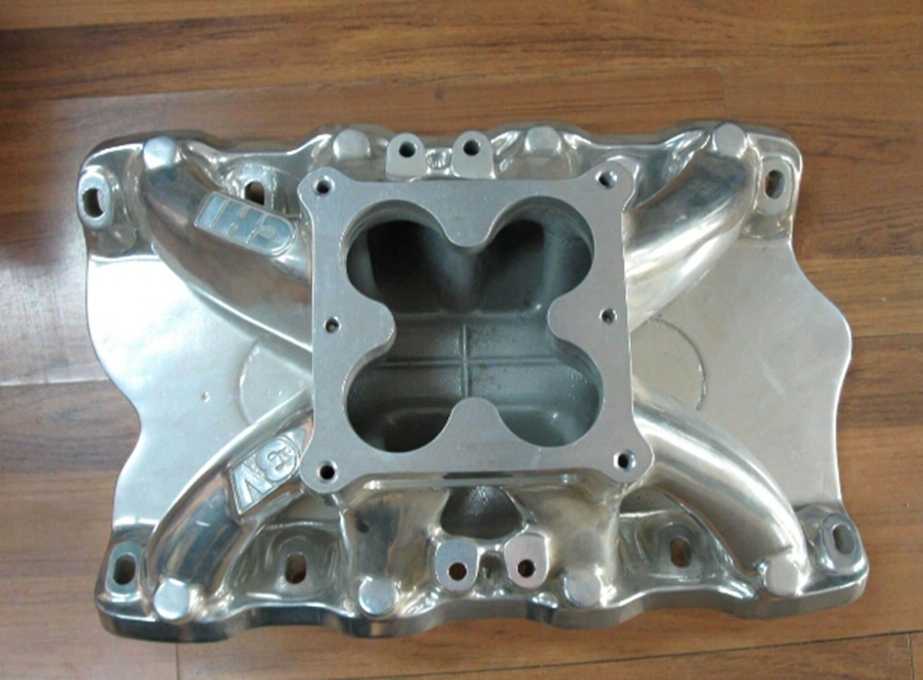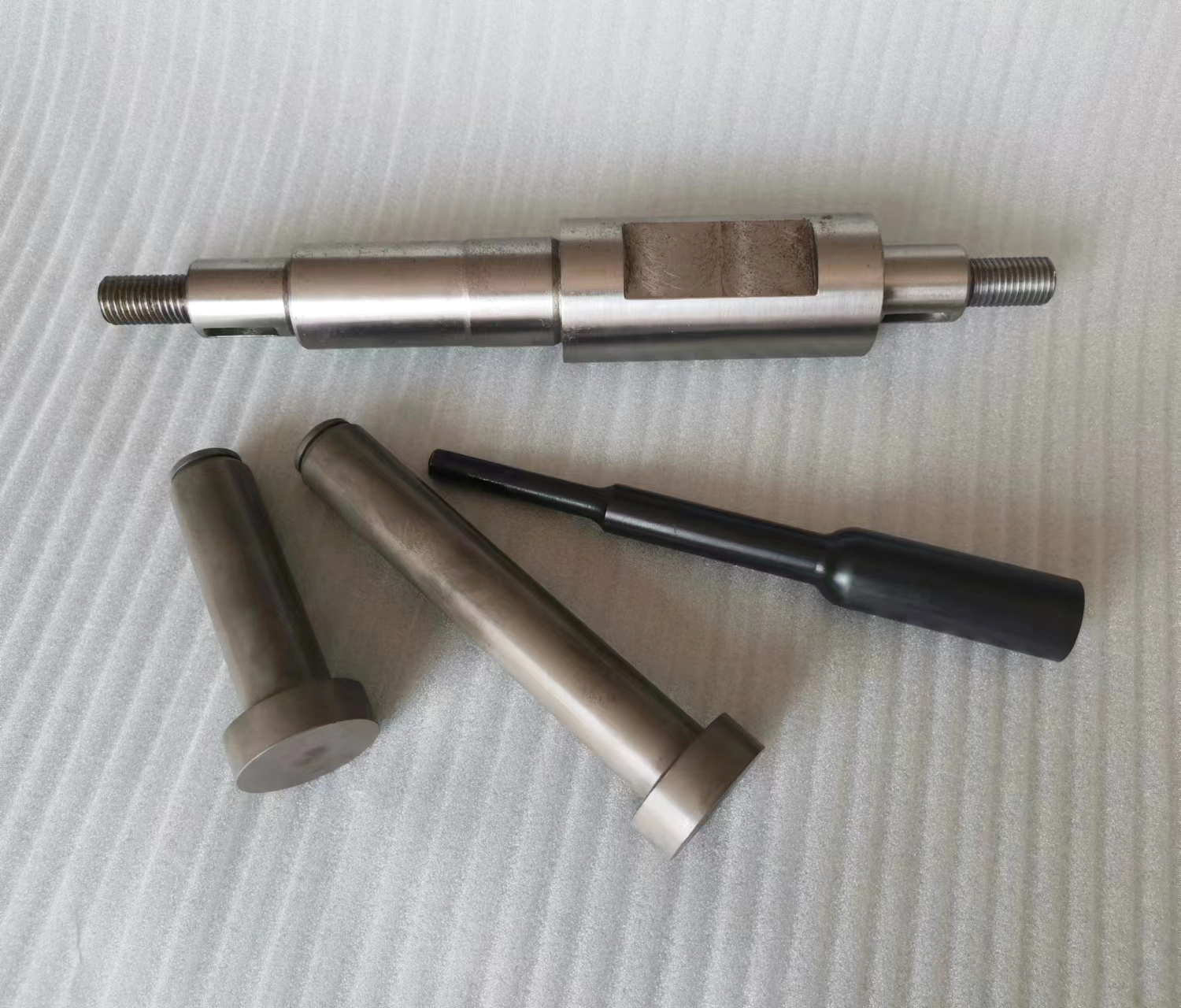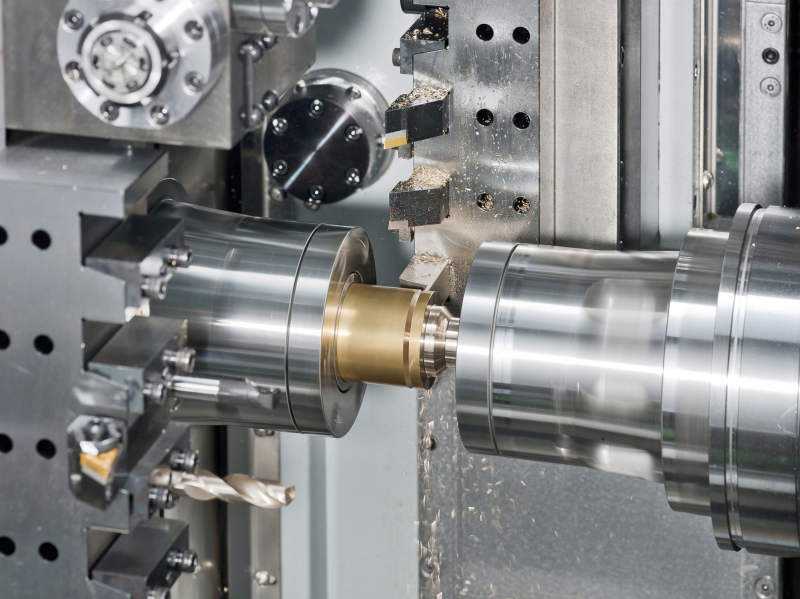
When a casting or forging leaves the foundry, it rarely matches its final dimensions. Between the rough shape and the finished component lies an essential layer of extra material known as the machining allowance. At Juize Machinery, calculating and applying the correct allowance is a critical step that ensures every part cleans up to specification. As a Gold Verified Supplier on Alibaba, our process planning accounts for this hidden stock to deliver reliable, accurate components.
What Is a Machining Allowance?
A machining allowance is the additional material left on rough parts—castings, forgings, or near-net shapes—that will be removed during finish machining. Without this allowance, critical surfaces might remain rough, undersized, or out of tolerance after processing.
Why Allowances Are Essential
Surface Finish: As-cast or as-forged surfaces are too rough for sealing or bearing applications. Machining removes this irregular layer to achieve specified smoothness.
Dimensional Accuracy: Rough processes cannot hold tight tolerances. Machining allowances provide stock for precise final cuts.
Distortion Compensation: Heat treatment can warp parts. Allowances ensure enough material remains for corrective machining.
Decarburization Removal: Steel surfaces may lose carbon during heat treatment. Machining removes this softened layer.
How We Determine Allowances
Several factors influence allowance size:
Process Capability: Sand casting requires larger allowances (3-6 mm) than investment casting (0.5-1.5 mm) or forging (1-3 mm).
Component Size: Larger parts need more allowance due to greater distortion risk.
Material: Steels typically require less allowance than aluminum, which can move more during heat treatment.
Tolerance Requirements: Tighter final tolerances may require additional stock for multiple finishing passes.
Our Allowance Strategy
We balance economy against reliability:
Minimum practical allowance reduces machining time and tool wear
Sufficient allowance ensures all surfaces clean up even with normal variation
Strategic allowance placement adds stock only where needed
Verification
Before finish machining, we inspect rough parts to confirm adequate allowance exists. Insufficient stock triggers corrective action—rejection, rework, or adjusted processing.