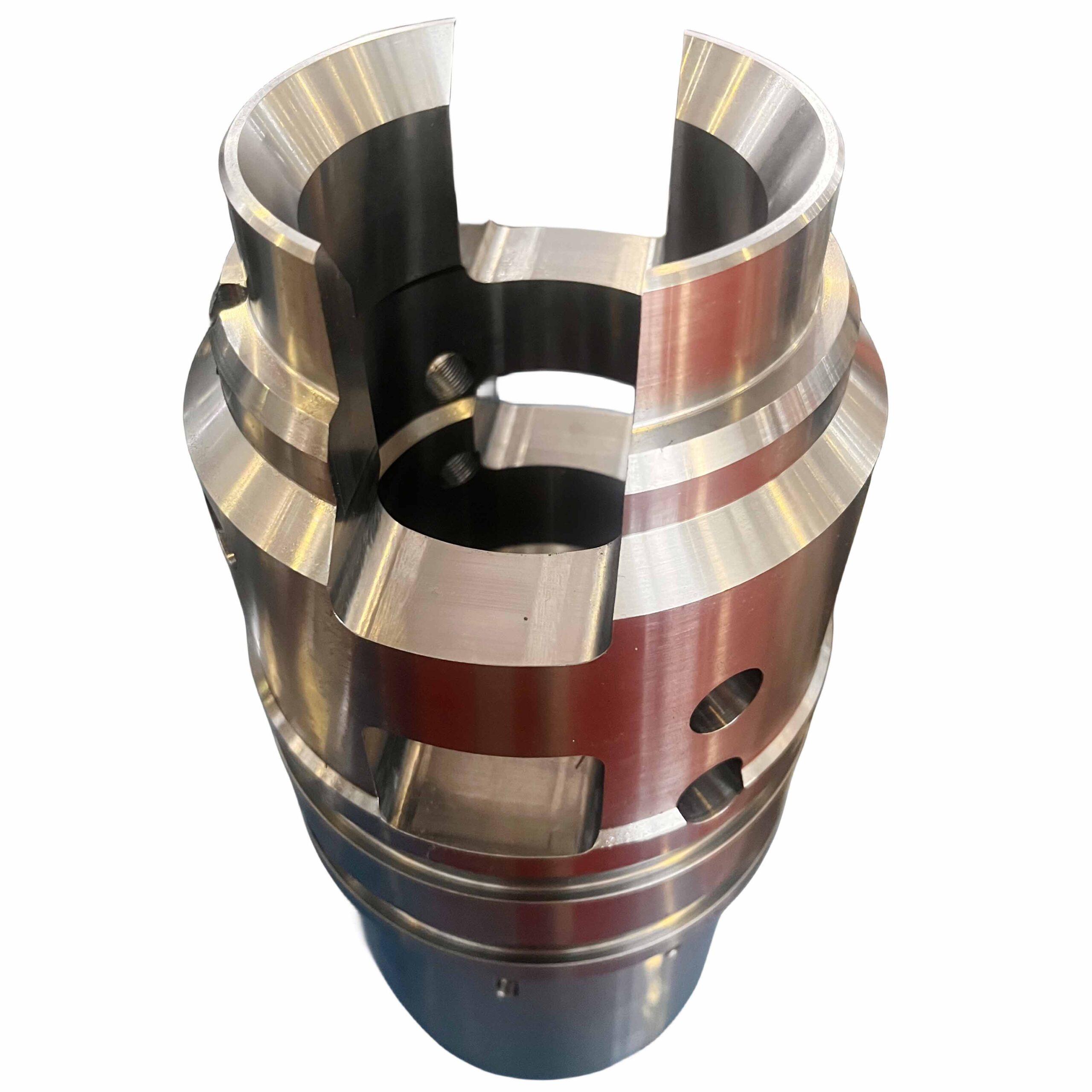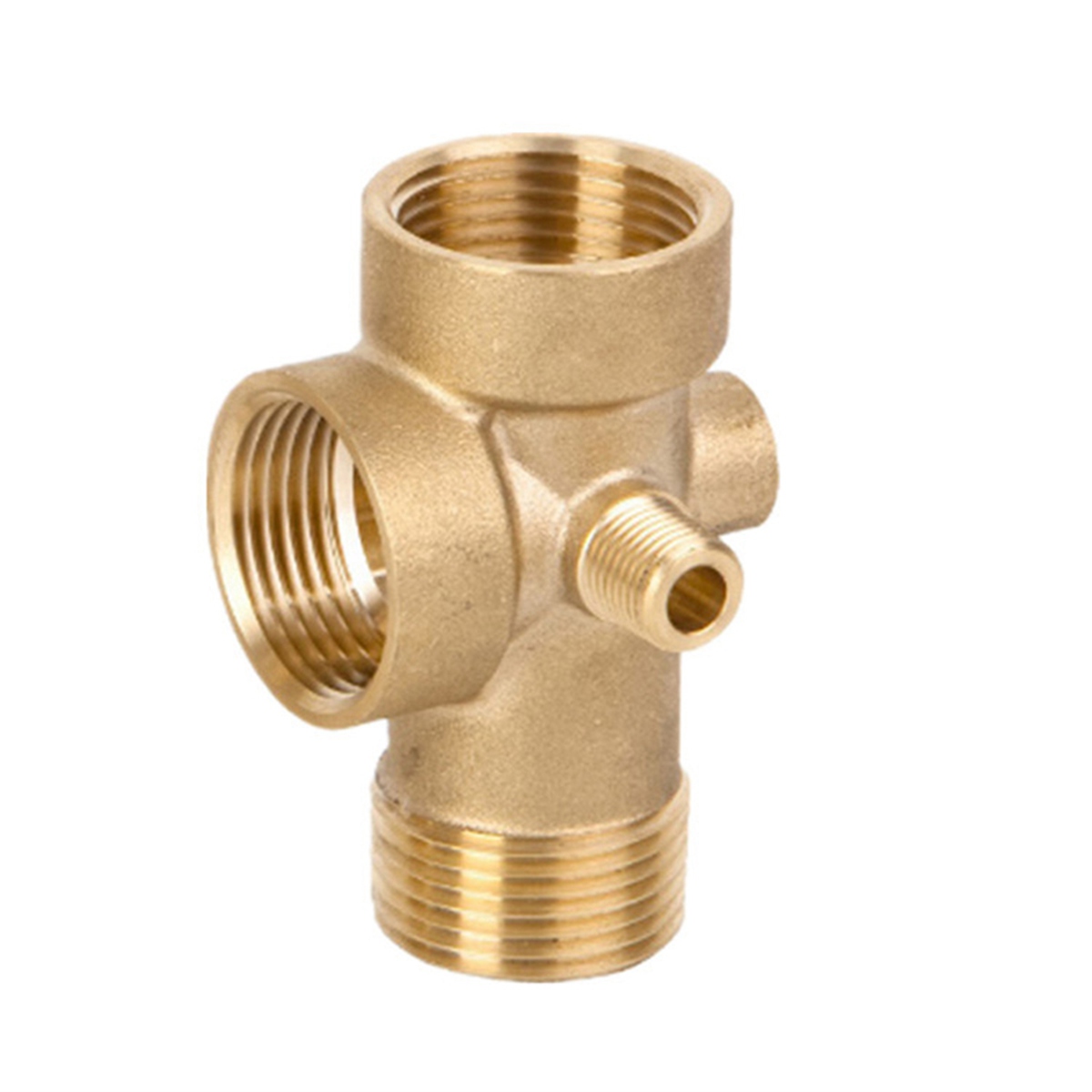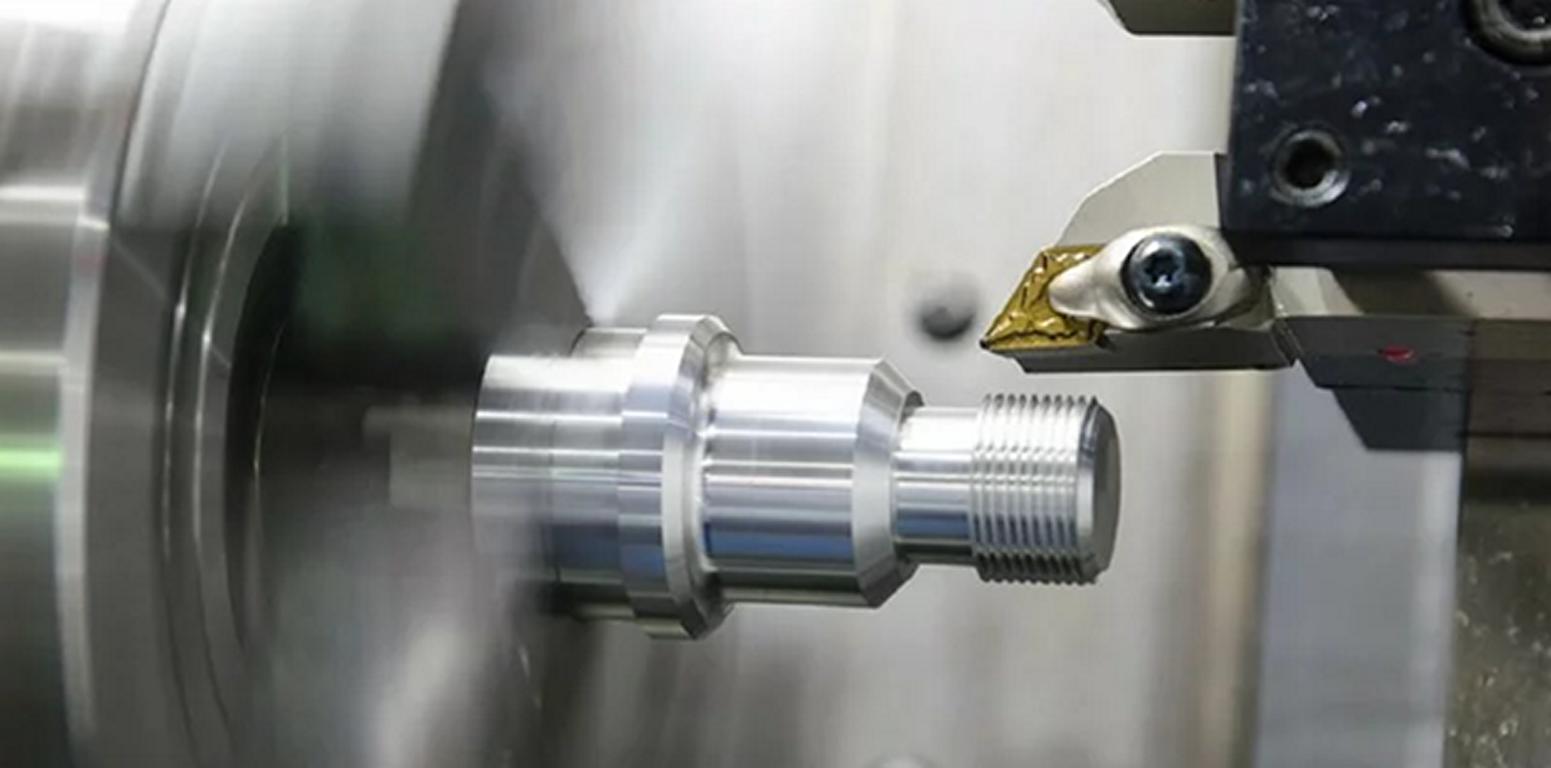

Between the approved design and the finished component lies a critical phase that determines whether a project succeeds or struggles: process planning. This discipline—the systematic determination of how a component will be manufactured—transforms drawings into production reality. It answers essential questions: What machines will be used? In what sequence? With what tools? At what speeds? Inspected by what methods? At Juize Machinery, process planning is not an afterthought but a foundational activity that shapes every manufacturing decision. As a Gold Verified Supplier on Alibaba with comprehensive multi-process capabilities, our approach to process planning ensures that every component follows the optimal path from raw material to finished product.
What Is Process Planning?
Process planning is the bridge between design and manufacturing. It translates engineering specifications into detailed instructions for production. A well-developed process plan specifies:
Process Selection: Which manufacturing methods—casting, forging, machining, stamping, fabrication—will be used.
Operation Sequence: The order in which operations occur, from raw material through final inspection.
Equipment Assignment: Which machines will perform each operation.
Tooling Requirements: What cutting tools, fixtures, gages, and molds are needed.
Process Parameters: Speeds, feeds, temperatures, pressures, and cycle times.
Inspection Points: Where and how quality will be verified.
Labor Requirements: Skills needed and estimated time for each operation.
Without a well-conceived process plan, manufacturing becomes reactive—responding to problems as they arise rather than anticipating and preventing them.
The Process Planning Framework
Step 1: Design Analysis
Process planning begins with thorough design review. Our engineers examine every aspect of the component:
Geometry: What shapes must be created? Are there features that challenge manufacturing?
Tolerances: Which dimensions are critical? Where can variation be tolerated?
Material: What alloy is specified? How does it behave during processing?
Surface Finish: What texture is required? How will it be achieved?
Heat Treatment: Are specific hardness or strength requirements specified?
Quantity: How many components are needed? Volume influences process selection dramatically.
This analysis identifies potential manufacturing challenges before they become production problems.
Step 2: Process Selection
With design understood, we select the optimal manufacturing processes. This decision considers multiple factors:
Material Compatibility: Does the process work with the specified material?
Geometric Capability: Can the process create required features?
Tolerance Achievement: Can the process hold specified tolerances?
Volume Economics: Does the process make sense for required quantities?
Lead Time: Can the process deliver within required timeframe?
Cost Structure: Does initial tooling investment and per-part cost align with budget?
Our multi-process capabilities mean selection is unbiased—we recommend what’s best for the component, not what fits our equipment.
Step 3: Operation Sequencing
Once processes are selected, we determine the sequence of operations. This sequence profoundly affects quality, cost, and lead time:
Roughing Before Finishing: Rough operations remove bulk material before finishing cuts achieve final dimensions.
Heat Treatment Placement: Hardening typically occurs before finish grinding but after rough machining.
Surface Preparation: Cleaning and surface treatment occur after machining but before coating.
Assembly Integration: Sub-assembly may occur at various stages depending on complexity.
Proper sequencing prevents damage to finished surfaces, ensures accurate datum references, and minimizes handling.
Step 4: Tooling and Fixture Design
Each operation requires appropriate tooling and fixtures:
Cutting Tools: Selection of appropriate tool materials, geometries, and coatings for specific materials and operations.
Workholding Fixtures: Devices that locate and secure components during processing. Fixture design affects accuracy, cycle time, and operator safety.
Inspection Gages: Tools for verifying dimensions during and after production.
Molds and Dies: For casting, forging, and stamping operations.
Our in-house tooling capabilities enable rapid development and iteration of these essential elements.
Step 5: Parameter Specification
For each operation, we specify process parameters that optimize quality and efficiency:
Machining: Cutting speeds, feed rates, depth of cut, coolant application.
Casting: Pouring temperature, fill rate, cooling time.
Heat Treatment: Soak temperature, hold time, quench medium, tempering cycles.
Welding: Current, voltage, travel speed, shielding gas composition.
These parameters are established through experience, reference data, and often confirmation testing.
Step 6: Quality Planning
Quality is not inspected in—it is planned in. Our process plans specify:
In-Precess Inspection: Critical dimensions verified during production, allowing adjustment before scrap occurs.
First Article Inspection: Comprehensive verification of first parts before production release.
Statistical Process Control: Sampling plans and control charting for ongoing monitoring.
Final Inspection: Complete verification before shipment.
Quality planning ensures verification aligns with component criticality and volume.
Step 7: Documentation and Communication
The final process plan becomes a comprehensive manufacturing instruction set:
Route Sheets: Step-by-step operation sequences.
Setup Instructions: Detailed fixture and tooling information.
Inspection Plans: Measurement locations, methods, and acceptance criteria.
Tool Lists: Complete inventory of required tooling.
Clear documentation ensures consistent execution regardless of which skilled operators perform the work.
Process Planning Across Manufacturing Methods
Process Planning for Castings
Casting process plans address:
Pattern and Core Box Requirements: Tooling design and fabrication.
Molding Method: Hand molding versus machine molding for volume requirements.
Gating System Design: Runner and gate placement affecting metal flow and quality.
Core Setting: Sequence and method for placing cores.
Pouring Parameters: Temperature, speed, and atmospheric control.
Shakeout and Cleaning: Cooling time before mold removal, cleaning methods.
Heat Treatment: Stress relief or property enhancement.
Inspection: Radiography, penetrant, or dimensional verification as required.
Process Planning for Machined Components
Machining process plans detail:
Stock Selection: Raw material size and condition.
Workholding Strategy: How the part will be located and clamped.
Tool Selection: Specific tools for each feature.
Cutting Parameters: Speeds and feeds optimized for material and tooling.
Operation Sequence: Roughing, semi-finishing, finishing, and secondary operations.
In-process Verification: When and how dimensions will be checked.
Deburring and Cleaning: Edge break requirements and cleaning methods.
Process Planning for Fabricated Assemblies
Fabrication process plans cover:
Material Preparation: Cutting, forming, and edge preparation.
Fit-Up: Alignment and gap control before welding.
Welding Sequence: Order of welds to minimize distortion.
Preheat and Interpass Temperature: Control for critical materials.
Post-Weld Heat Treatment: Stress relief requirements.
Inspection: Visual, penetrant, radiographic, or ultrasonic examination.
Final Machining: Post-weld machining of critical interfaces.
Process Planning for Multi-Process Components
Complex components requiring multiple processes demand integrated planning:
Casting to Machining: Casting design includes machining stock, datum features, and fixturing considerations.
Machining to Heat Treatment: Machining allowances accommodate heat treatment distortion.
Heat Treatment to Finish Grinding: Final operations address any distortion from thermal processing.
Surface Treatment Integration: Masking requirements and process compatibility.
Our integrated facility enables seamless coordination across these process boundaries.
The Economics of Process Planning
Thorough process planning delivers economic benefits:
Reduced Scrap: Well-planned processes produce fewer non-conforming parts.
Optimized Cycle Times: Efficient sequences minimize production time.
Lower Tooling Costs: Proper planning reduces tooling iteration and modification.
Minimized Rework: First-time quality eliminates costly rework.
Predictable Lead Times: Planned processes enable reliable scheduling.
Process Planning and Continuous Improvement
Process plans are living documents. As we gain experience with components and processes, we refine plans to capture improvements:
Cycle Time Reduction: Faster processing without quality compromise.
Tool Life Optimization: Parameters extending tool life while maintaining quality.
Setup Reduction: Faster changeovers reducing batch-size constraints.
Quality Enhancement: Additional inspection points or modified parameters addressing emerging issues.
This continuous refinement ensures our process plans improve over time, benefiting repeat orders and similar components.
The Human Element in Process Planning
For all our technological sophistication, process planning remains fundamentally human. Experienced engineers bring:
Pattern Recognition: Recognizing features that historically caused problems.
Material Intuition: Understanding how materials behave beyond textbook properties.
Creativity: Devising novel approaches to challenging geometries.
Risk Assessment: Judging where conservative planning is warranted and where innovation can safely apply.
Our process planners combine decades of hands-on experience with systematic methodology.
Considering how process planning might benefit your next project?
Let our manufacturing engineers develop the optimal path from raw material to finished component. With comprehensive multi-process capabilities and systematic planning methodology, we ensure your components follow the most efficient, reliable, and cost-effective route to completion.