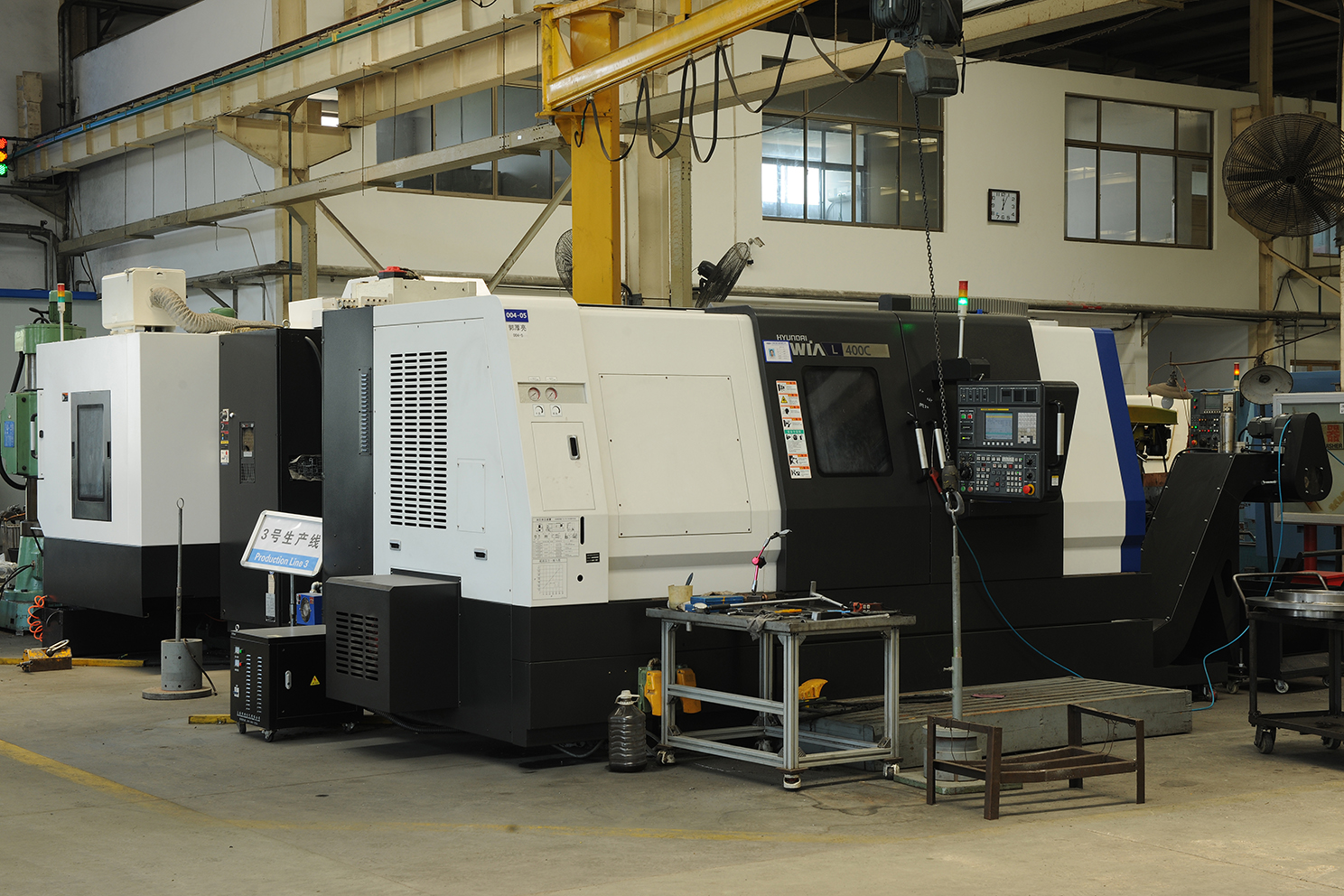
Here we have a table that has information about both CNC routers and CNC mills.
| Feature | CNC Router | CNC Mill |
| Ideal Materials | Best for softer materials like wood, plastics, and foam. | Suited for harder materials such as metals, including steel and titanium. |
| Precision | Offers moderate precision, suitable for tasks like sign-making and furniture. | Provides high precision, essential for intricate parts in aerospace and medical fields. |
| Cutting Speed | Operates at higher speeds, enabling quick cuts on large sheets. | Functions at slower speeds to ensure accuracy on tougher materials. |
| Cost | Generally more affordable, making them accessible for small businesses and hobbyists. | Typically more expensive due to their robust construction and advanced capabilities. |
This table will present the best information about the two for you to see where they go similar and where they’re entirely different.
NOTE: These are the baseline differences between the two. It’s not everything, but these little differences make up big differences when accumulated.
Each have their own uses, differences in speed, precision, and ideal materials to cut and operate on. Let’s take a look at both of them in a deeper and much more detailed sense!
Materials
To start with, let’s briefly talk about materials. CNC routers work best with wood, plastic, foam, and thin aluminum sheets.
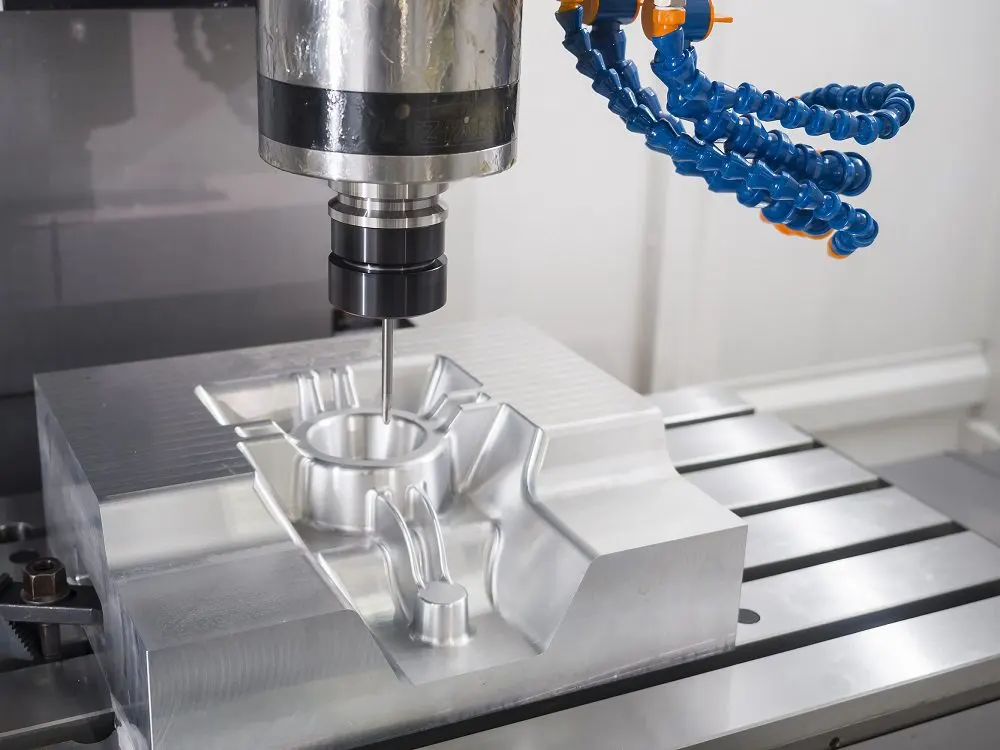
CNC mills, on the other hand, are built for machining tough materials like steel, titanium, and cast iron, making them ideal for heavy-duty industrial applications.
Design
Most, if not all, CNC routers are built for speed and efficiency, with lightweight frames better suited for softer materials. CNC mills are typically heavier and more rigid, designed to handle harder materials while reducing vibrations for precise cutting.
Area of Operation
Routers typically have a larger cutting area, making them ideal for processing wide sheets of wood, plastic, and aluminum. Mills have a smaller work area but can cut thicker and denser materials with greater accuracy.
Speed
Routers may cut soft materials more quickly because they run at higher RPMs. Deep, accurate cuts on hard metals are made possible by mills, which operate at slower speeds but provide greater power.
Cost
CNC routers are more affordable, with entry-level models available for a few hundred dollars. CNC mills, especially industrial-grade ones, are significantly more expensive due to their advanced capabilities and durability.
Tools
And lastly, the tools they need. CNC routers use router bits designed for shaping, engraving, and cutting soft materials. CNC mills rely on end mills, which provide superior precision for contouring, slotting, and profiling harder metals.