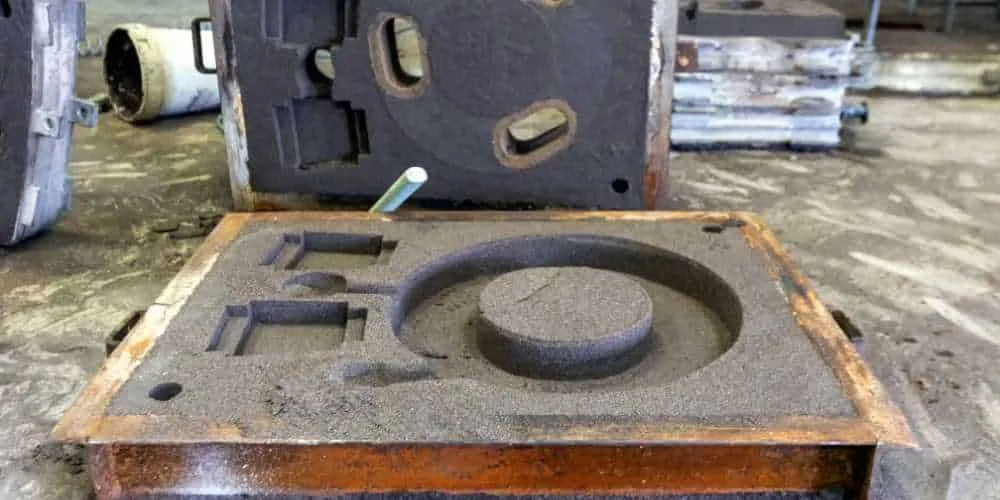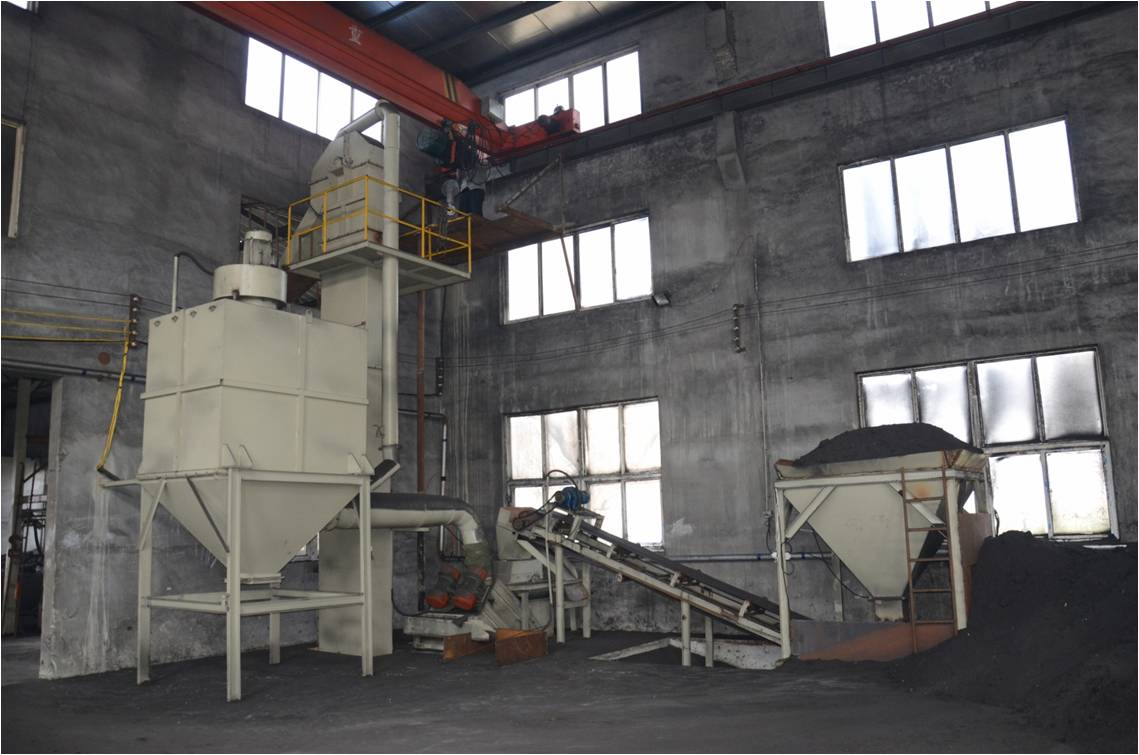
Sand casting uses a sand mold formed around a pattern. It’s one of the most widely used casting methods because it scales well across part sizes, works with many alloys, and can be economical—especially for larger components or when design changes are likely.
The tradeoff is that sand molds generally introduce more variability and a rougher surface texture compared with ceramic-shell processes. That doesn’t mean “lower quality.” It means you should plan machining allowance and cleanup appropriately, particularly on functional surfaces.