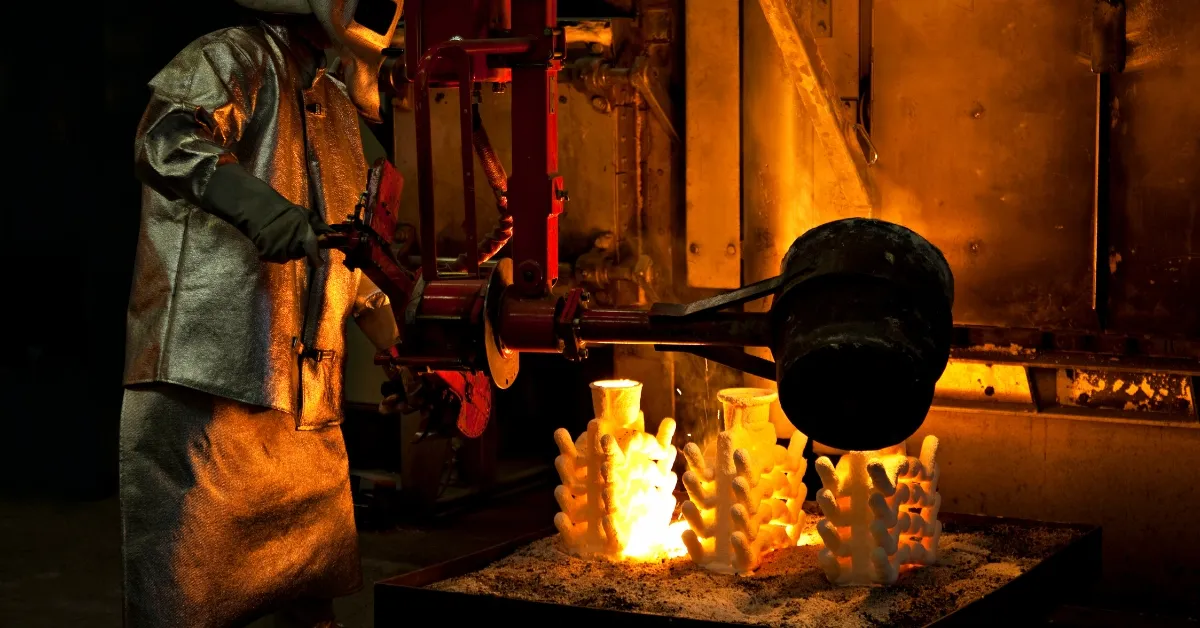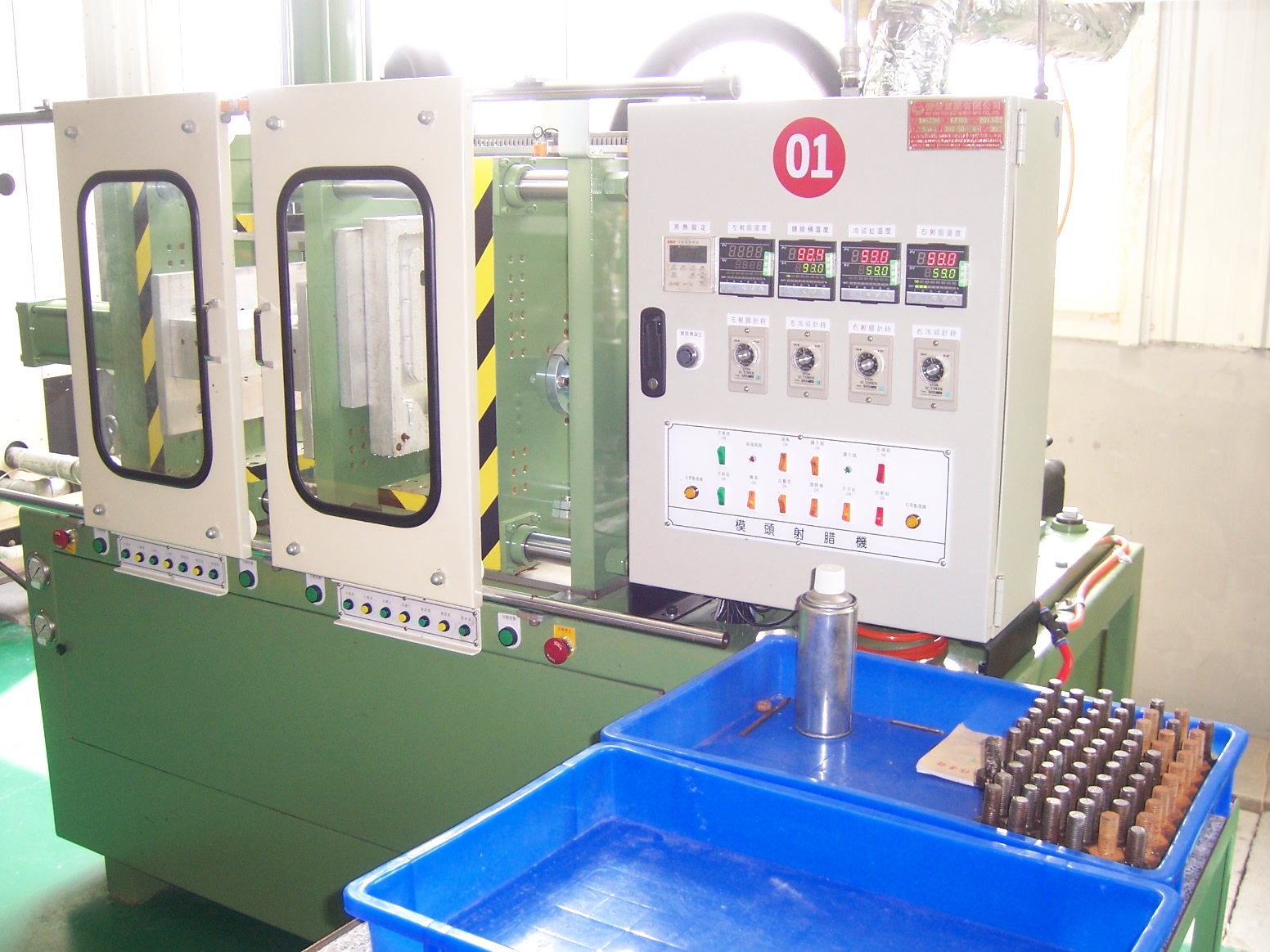
Investment casting starts with a wax pattern that matches your final part. That wax is coated with ceramic to form a hard shell, the wax is removed, and molten metal is poured into the ceramic cavity. Because the shell captures fine detail, investment casting is a common choice for parts with complex geometry, thinner walls, and tighter “as-cast” expectations—often reducing cleanup and machining compared with rougher casting routes.
In sourcing terms, investment casting is usually the “precision casting” option: you pay more attention to pattern tooling and process steps, but you often get a cleaner, more consistent starting shape.