Titanium alloy has a low density of 4.5g/cm³, about 60% of steel. Its strength is higher than aluminum alloy and steel, tensile strength can reach more than 1000MPa, is 2-5 times that of aluminum alloy. Corrosion and temperature resistance are superior to stainless steel and second only to platinum. Moreover, pure titanium is very biocompatible. For this reason, titanium is often used for aerospace components, medical implants, and high-end consumer products. Common types include pure titanium (Grades 1-4), Ti-6Al-4V (Grade 5) and Ti-5Al-2.5Sn (Grade 6).
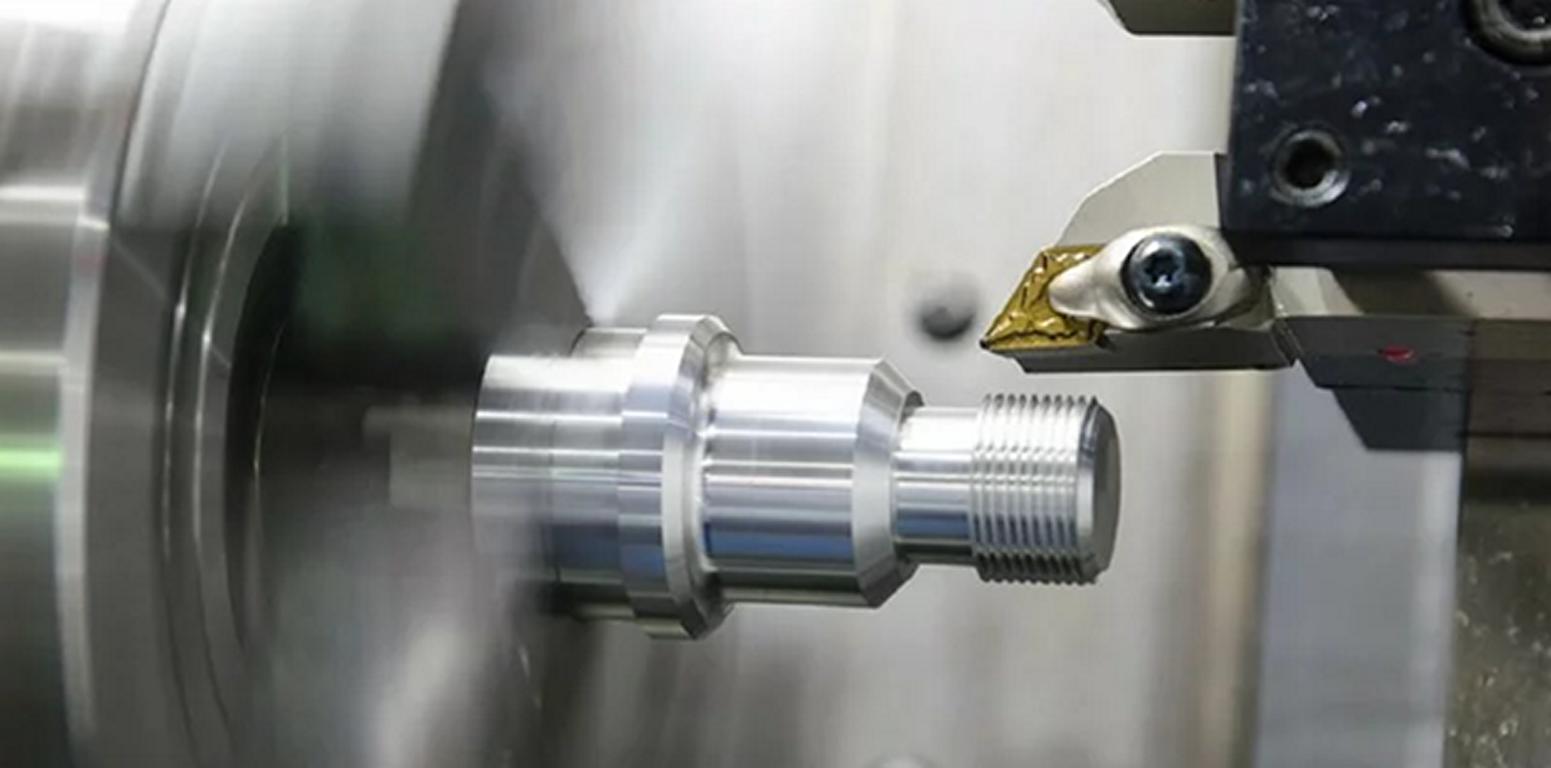
The disadvantage of titanium is that it is difficult to machine, which is why many machined titanium alloys are expensive. Its poor thermal conductivity can lead to heat buildup during cutting, resulting in reduced tool life. It is also prone to chemical reactions with the tool at high temperatures, causing chip buildup and further reducing tool life. Therefore, special tools, low speeds and large feeds are generally used in machining.