Injection molding is a high-volume manufacturing process where molten material (most commonly thermoplastic polymers) is injected under high pressure into a precision-designed mold cavity. Once cooled and solidified, the part is ejected, resulting in a net-shape product that often requires little to no finishing. Its unique combination of efficiency, precision, and scalability makes it indispensable across virtually every industry.
Core Advantages Driving Its Widespread Use
High Efficiency & Volume: Once the mold is created, cycle times can be as short as 10-30 seconds, enabling mass production of thousands to millions of identical parts.
Exceptional Precision & Repeatability: Produces parts with extremely tight tolerances and consistent quality, part after part.
Design Complexity: Capable of producing intricate geometries, undercuts, thin walls, and complex assemblies as a single part.
Material & Finish Versatility: Works with a vast range of materials (plastics, elastomers, liquid silicone, metals/powders via MIM) and can yield various surface finishes directly from the mold.
Low Labor Cost: The process is highly automated, minimizing per-unit labor costs.
Major Application Areas
1. Consumer Products & Electronics
This is one of the largest application areas, demanding a blend of aesthetics, durability, and cost-effectiveness.
Housings & Enclosures: Mobile phone cases, laptop shells, remote controls, kitchen appliance housings (blenders, coffee makers).
Houseware Items: Storage containers, buckets, laundry baskets, chairs, toys (LEGO bricks are a classic example).
Personal Care: Toothbrushes, razor handles, hair dryer bodies, cosmetic packaging.
2. Automotive Industry
Modern cars rely on hundreds of injection-molded parts for interior, exterior, and under-the-hood applications, driven by needs for weight reduction and part integration.
Interiors: Dashboard panels, door handles, knobs, vents, cup holders, console compartments, trim pieces.
Exteriors: Bumpers, grilles, wheel covers, light housings (headlights, taillights), mirror housings.
Under-the-Hood & Functional Parts: Fluid reservoirs (coolant, washer), air intake manifolds, electrical connectors, housings for sensors and modules.
3. Medical & Healthcare
Requiring ultra-high precision, biocompatibility, and sterility, often using cleanroom molding.
Disposable Devices: Syringes, IV connectors, pipette tips, diagnostic test housings, specimen cups.
Surgical Instruments: Handles, trays, casings for reusable tools.
Implantables & Drug Delivery: Components for inhalers, insulin pens, and even some non-load-bearing implant prototypes (often via liquid silicone rubber – LSR molding).
4. Packaging
Dominates the production of rigid and semi-rigid packaging due to speed and clarity.
Containers: Bottles (for beverages, pharmaceuticals), jars, tubs (for yogurt, butter), crates, and caps/closures.
Blister Packs & Clamshells: The clear “see-through” packaging for retail products, electronics, and pharmaceuticals.
5. Industrial & Commercial Components
Material Handling: Pallets, totes, bins, and rollers for conveyor systems.
Electrical & Connectors: Cable glands, wiring ducts, switch housings, socket faces, and intricate electrical connectors.
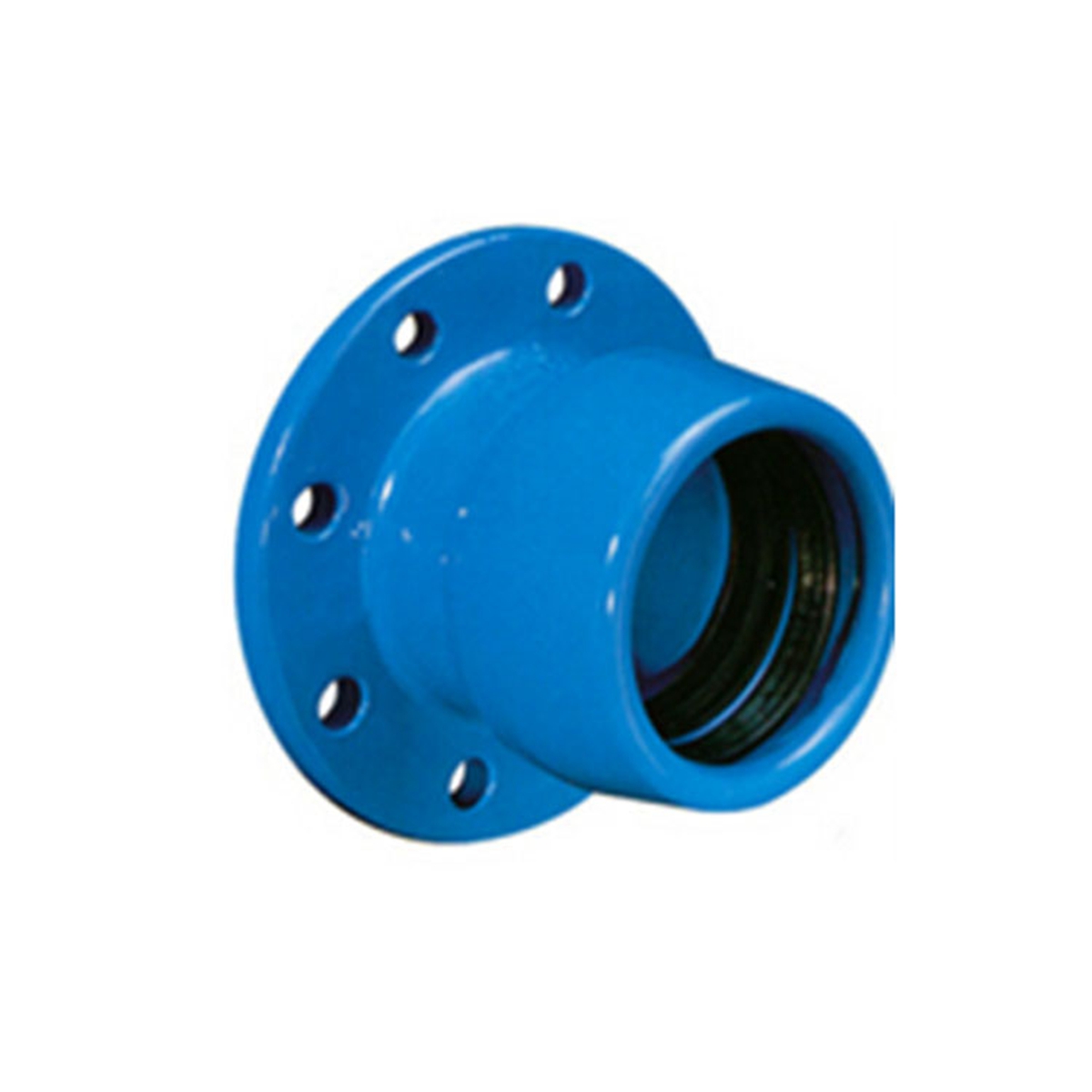
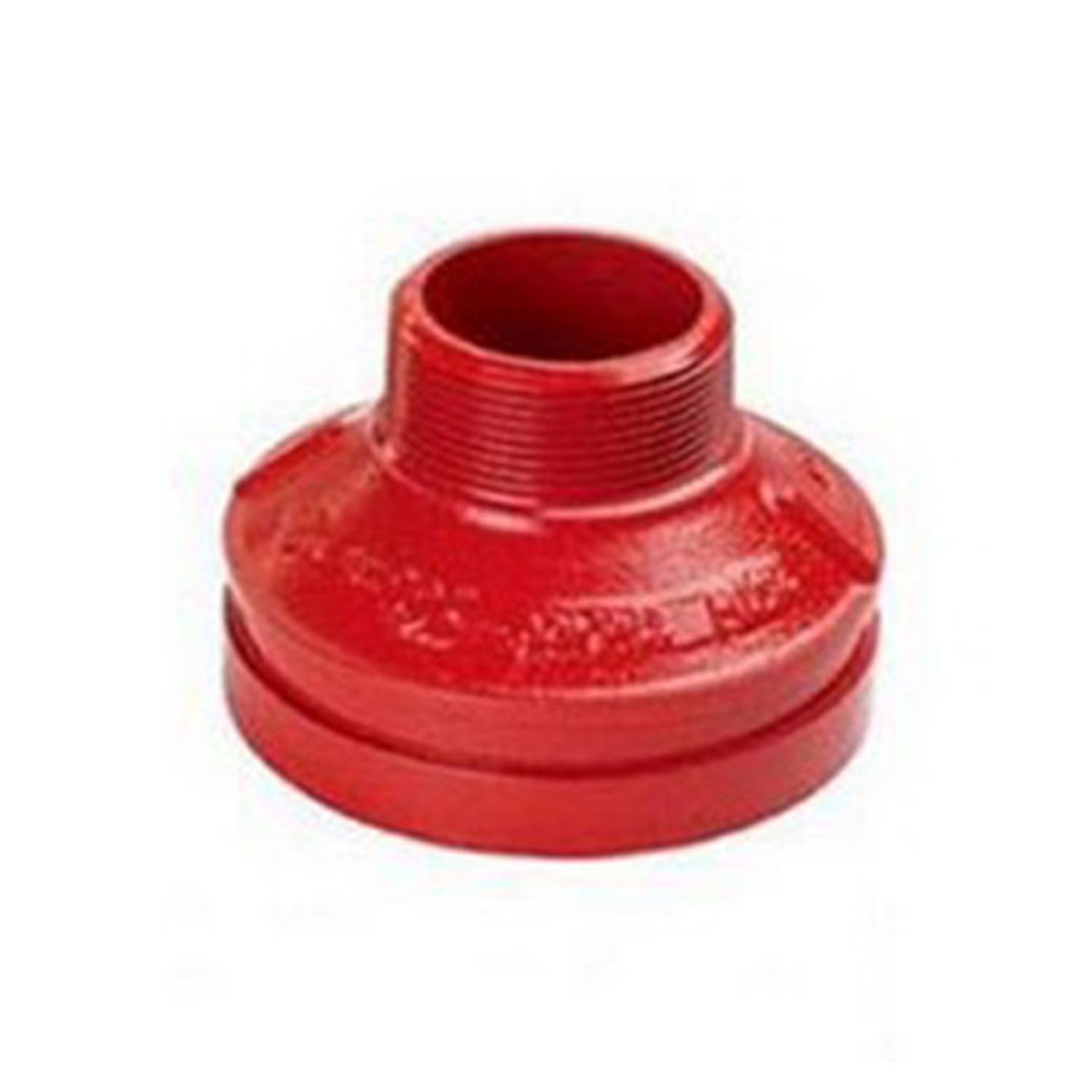
Plumbing & Fittings: Pipe fittings, valves, faucet aerators, showerheads.
6. Cutting-Edge & Specialized Applications
Micro-Injection Molding: For incredibly tiny, high-precision parts like micro-gears for watches, medical micro-devices, and optical lenses.
Overmolding & Insert Molding: Combines multiple materials in one cycle to add soft-touch grips (e.g., toothbrush handles, tool grips) or to encapsulate metal inserts (e.g., threaded brass fittings in plastic parts).
Liquid Silicone Rubber (LSR) Molding: For heat-resistant, flexible, biocompatible parts like baby bottle nipples, medical seals, gaskets, and kitchenware.
Trends & Future Directions
Sustainability: Increased use of bio-based, biodegradable, and recycled resins (rPET, rPP). The industry is also focusing on designing for recyclability and reducing material waste through advanced process control.
Industry 4.0 Integration: Smart molds with sensors, real-time process monitoring, and AI-driven optimization for predictive maintenance and consistent quality.
Advanced Materials: Development of higher-performance polymers (stronger, heat-resistant, conductive) and composites to replace metals in more applications.
Additive Manufacturing for Tooling: Using 3D printing to create conformal cooling channels in molds for faster cycle times or to produce low-volume prototype molds rapidly.
Conclusion
Injection molding is far more than just making plastic toys. It is a foundational, advanced manufacturing technology that shapes the modern world. From the minute components in a smartphone to the large bumper on a truck, its ability to produce complex, durable, and cost-effective parts at massive scale ensures its continued dominance and evolution in global manufacturing.