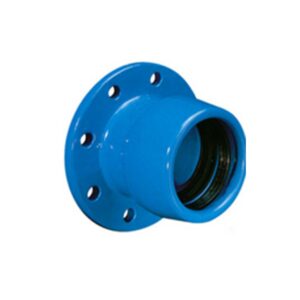
The Plastic-Coated Steel (PCS) process is a sophisticated manufacturing technique that involves bonding a layer of polymer (plastic) onto a steel substrate. This fusion creates a composite material that combines the superior mechanical strength of steel with the enhanced aesthetic, corrosion resistance, and functional properties of the polymer coating.
This process is distinct from simple painting or powder coating, as it typically involves a much thicker, more durable, and fully bonded layer of plastic.
1. Core Objectives of the Process
The primary reasons for applying a plastic coating to steel are:
Corrosion Resistance: The plastic layer acts as a continuous, impermeable barrier, protecting the steel from moisture, chemicals, salts, and other corrosive elements.
Aesthetic Enhancement: It provides a wide range of colors, textures (e.g., glossy, matte, embossed), and finishes that are difficult to achieve with paint alone.
Durability: The coating is highly resistant to scratching, chipping, abrasion, and impact, ensuring a long-lasting appearance.
Chemical Resistance: Ideal for environments exposed to aggressive chemicals, fuels, or solvents.
Hygiene and Cleanability: The non-porous, smooth surface is easy to clean and sterilize, making it perfect for food processing, medical, and kitchen applications.
Electrical Insulation: The polymer layer electrically insulates the conductive steel substrate.
2. Key Materials Used
Steel Substrate:
Cold Rolled Steel: For general applications requiring a smooth surface.
Galvanized Steel: Provides an extra layer of corrosion protection (the zinc layer) underneath the plastic, offering superior performance. This is very common.
Galvalume: A zinc-aluminum coated steel for even better corrosion resistance.
Polymer Coatings:
Polyvinyl Chloride (PVC): Very common; offers excellent durability, color flexibility, and a soft feel. Often used in appliances and automotive interiors.
Polyethylene (PE): Cost-effective with good chemical resistance; often used for drums and containers.
Polypropylene (PP): Excellent chemical and heat resistance.
Polyester (PET), Epoxy, Nylon: Used for specific properties like higher temperature resistance or exceptional toughness.
Fluoropolymers (e.g., PVDF): Used in architectural applications for exceptional weather resistance and color retention.
3. The Manufacturing Process: Step-by-Step
The most common method for producing plastic-coated steel sheet or coil is the Lamination Process.
Step 1: Surface Preparation (Critical Step)
This is the most crucial stage to ensure strong adhesion. The steel coil passes through a series of cleaning and treatment stages:
Cleaning: Alkaline cleaners remove oils, grease, and dirt.
Rinsing: Deionized water rinses off any residue.
Surface Treatment: A chemical pre-treatment (often a phosphate or chromate conversion coating) is applied. This etches the surface microscopically and creates a stable layer that dramatically improves the bond between the metal and the polymer.
Drying: The coil is thoroughly dried.
Step 2: Primer Application (Optional but Common)
A thin layer of adhesive primer is often applied to the prepared steel surface and cured. This primer acts as a “molecular glue.”
Step 3: Polymer Film Application
A pre-made film of the chosen polymer (e.g., PVC) is fed onto the steel surface. The film can be a solid color, have a printed wood-grain or metallic pattern, or possess an embossed texture.
Step 4: Lamination and Curing
The steel and the plastic film are pressed together between large rollers under controlled heat and pressure. The heat melts the adhesive layer (or the back of the film itself), allowing it to flow and chemically bond with the primed steel surface. The assembly then passes through a cooling section to solidify the bond.
Step 5: Curing (Post-Bake)
The laminated coil may pass through an oven to fully cross-link and cure the adhesive, ensuring maximum bond strength and durability.
Step 6: Cooling and Inspection
The final product is cooled and inspected for any visual or adhesive defects.
Alternative Process: Powder Coating (for a Thick Layer)
For finished parts (rather than coil), a thick plastic coating can be applied via fluidized bed dipping or electrostatic powder coating.
Fluidized Bed Dipping: The pre-heated steel part is dipped into a tank of fluidized plastic powder. The powder melts and fuses onto the hot surface, forming a thick, continuous coating.
Electrostatic Spray: Dry powder is electrostatically charged and sprayed onto a grounded steel part. The part is then heated in an oven, where the powder melts, flows, and cures into a smooth, durable film.
4. Applications of Plastic-Coated Steel
This versatile material is found in a vast array of industries:
Building & Construction: Roofing, wall cladding, garage doors, and architectural facades.
Appliances: Refrigerator liners, dishwasher tubs, oven cavities, and washing machine parts.
Automotive: Interior trim panels, underbody shields, and seat structures.
Furniture & Cabinetry: Office furniture, kitchen cabinets, and shelving systems.
Consumer Goods: Toolboxes, shelving, and storage containers.
Food & Beverage: Processing equipment, silos, and chemical tanks.
5. Advantages and Disadvantages
Advantages:
Synergistic Properties: The strength of steel with the corrosion/scratch resistance of plastic.
Long Service Life: Highly resistant to weathering, chipping, and UV radiation (depending on the polymer).
Low Maintenance: Easy to clean and does not require repainting.
Design Flexibility: A vast range of colors and textures is available.
Disadvantages:
Higher Cost: More expensive than painted or galvanized steel.
Repair Difficulty: If the coating is deeply damaged, it is difficult to repair seamlessly.
Temperature Limitations: The polymer coating can melt, become brittle, or degrade at extreme temperatures.
Recycling Challenges: The composite nature can make separation and recycling more complex than with single-material products.
In conclusion, the plastic-coated steel process is a high-performance manufacturing solution that creates a superior engineered material. It is the go-to choice for applications demanding long-term durability, specific aesthetic qualities, and robust protection in challenging environments.