The selection of material is a critical factor in 3D printing (Additive Manufacturing), as it directly determines the functional properties, mechanical performance, aesthetic quality, and application suitability of the printed object. The range of available materials has expanded dramatically, moving far beyond basic plastics to include metals, ceramics, composites, and biomaterials. Here is a detailed breakdown of the primary material categories.
1. Polymers (Plastics)
Polymers are the most widespread and diverse group of 3D printing materials, suitable for various processes.
Fused Deposition Modeling (FDM) Materials:
PLA (Polylactic Acid): A biodegradable thermoplastic derived from renewable resources like corn starch. It’s easy to print, has low warping, and is available in many colors. Ideal for prototypes, models, and educational projects, but has limited thermal and mechanical strength.
ABS (Acrylonitrile Butadiene Styrene): A petroleum-based thermoplastic known for its toughness, impact resistance, and slight flexibility. It requires a heated print bed due to warping tendencies and emits fumes during printing. Common in functional prototypes, automotive parts, and LEGO-like toys.
PETG (Polyethylene Terephthalate Glycol): Combines ease of printing (like PLA) with the durability and chemical resistance of ABS. It is strong, durable, food-safe (when properly processed), and moisture-resistant. Used for mechanical parts, containers, and protective components.
TPU/TPE (Thermoplastic Polyurethane/Elastomer): Flexible, rubber-like filaments with excellent elasticity, abrasion resistance, and shock absorption. Used for gaskets, seals, wearables, phone cases, and soft-grip handles.
Advanced Engineering Plastics: Materials like ASA (UV-resistant alternative to ABS), Nylon (PA) for high strength and toughness, Polycarbonate (PC) for exceptional strength and heat resistance, and PEEK/PEKK (high-performance thermoplastics) for aerospace and medical implants.
Stereolithography (SLA) & Digital Light Processing (DLP) Materials:
Standard Resins: Produce highly detailed, smooth-surfaced prints with fine features. Used for prototypes, jewelry masters, and models requiring high visual fidelity.
Tough/Durable Resins: Mimic the mechanical properties of ABS or PP (polypropylene), offering higher impact resistance and flexibility for functional prototypes like snap-fit enclosures.
Flexible/Elastic Resins: Simulate rubber or silicone, allowing for parts that can bend, compress, and stretch.
Castable Resins: Burn out cleanly without residue, making them perfect for creating detailed patterns for jewelry and dental investment casting.
High-Temperature Resins: Withstand elevated temperatures, suitable for molds, hot air ducts, and heat-resistant fixtures.
Biocompatible/Dental Resins: Formulated for specific medical applications, including surgical guides, dental models, and hearing aids.
Selective Laser Sintering (SLS) Materials:
Nylon (PA 11, PA 12): The most common SLS material. It produces parts with excellent strength, stiffness, and chemical resistance. Ideal for complex, functional prototypes and end-use parts in automotive and consumer goods.
Nylon Composites: Nylon powder blended with glass beads (PA-GF) for increased stiffness, or aluminum particles (Alumide) for a metallic appearance and altered properties.
TPU Powder: Used in SLS to create flexible, elastic parts.
2. Metals
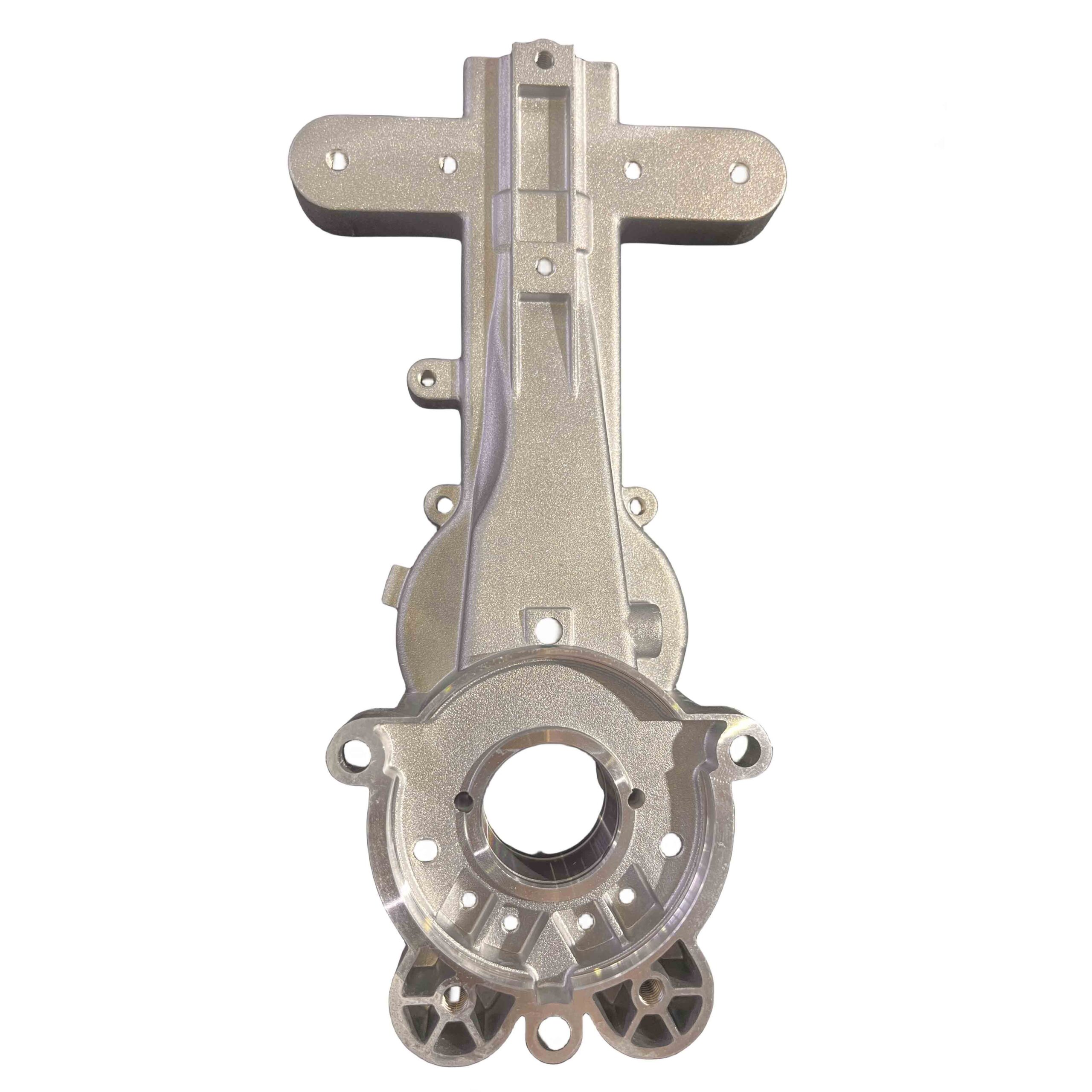
Metal 3D printing produces fully dense, high-strength parts for demanding engineering applications. Key processes include Direct Metal Laser Sintering (DMLS), Selective Laser Melting (SLM), and Binder Jetting.
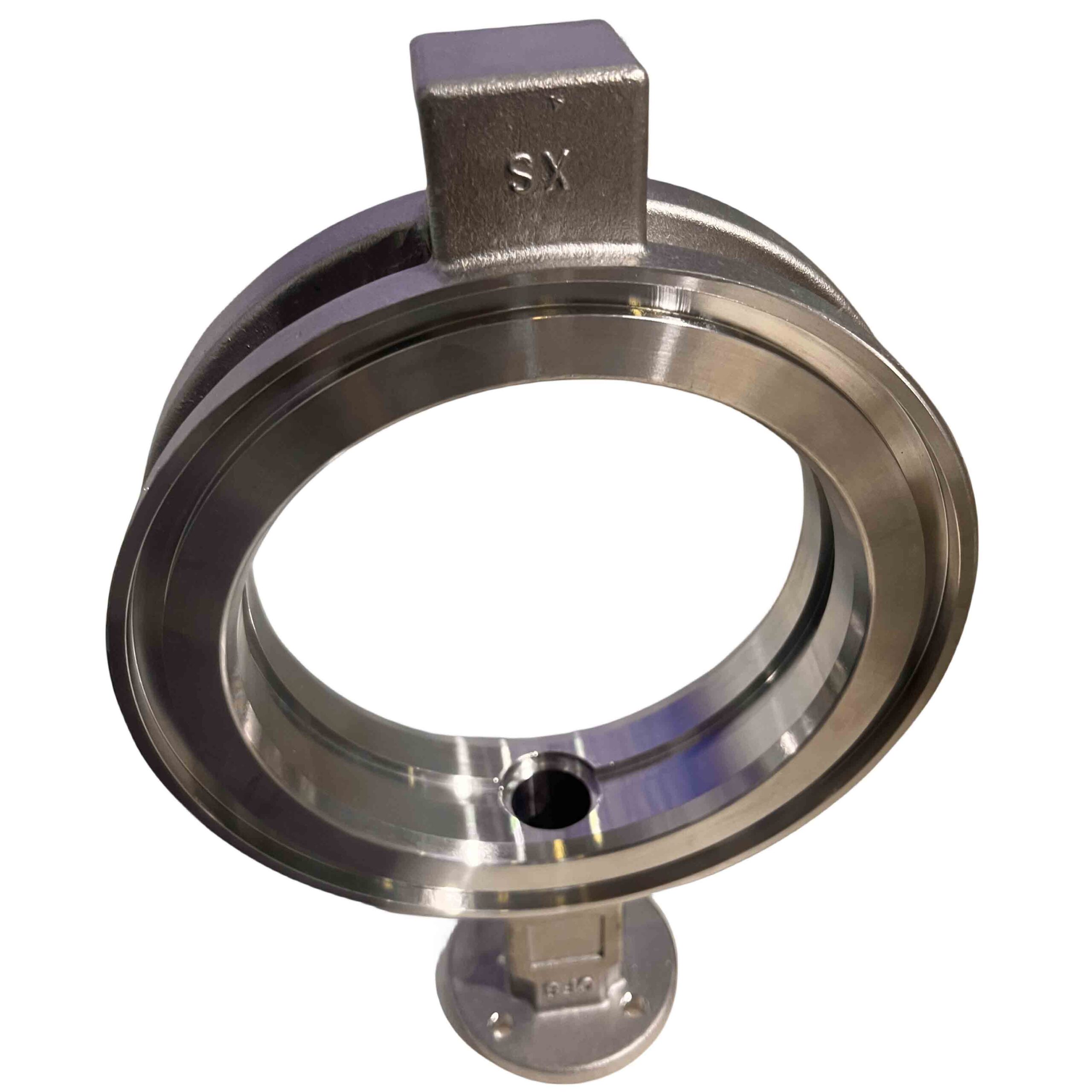
Stainless Steel: The most common metal printing material, offering good strength, corrosion resistance, and a lower cost. Used for tooling, functional prototypes, and marine applications.
Tool Steel: Used to create durable molds, inserts, and tools for injection molding and die-casting.
Aluminum Alloys (e.g., AlSi10Mg): Lightweight with a good strength-to-weight ratio and excellent thermal properties. Pervasive in aerospace, automotive, and heat exchanger applications.
Titanium Alloys (e.g., Ti6Al4V): Prized for their exceptional strength, light weight, biocompatibility, and corrosion resistance. Critical for aerospace components and medical implants (like orthopedic implants).
Nickel-based Superalloys (e.g., Inconel 718, 625): Offer outstanding performance in high-temperature, high-stress, and corrosive environments. Used in jet engines, turbine blades, and rocket components.
Cobalt-Chrome (CoCr): Known for high wear resistance, strength, and biocompatibility. Commonly used for dental prosthetics (crowns, bridges) and orthopedic implants.
Precious Metals: Gold, silver, and platinum are printable (often via binder jetting or specialized DMLS) for high-end jewelry and decorative items.
3. Ceramics
Ceramic 3D printing enables the creation of heat-resistant, brittle, and chemically inert parts. Processes include binder jetting and SLA with ceramic-loaded resins (which are later sintered).
Alumina (Aluminum Oxide): High hardness, excellent electrical insulation, and thermal stability. Used for technical components, lab equipment, and custom insulators.
Zirconia (Zirconium Dioxide): Offers very high strength, fracture toughness, and biocompatibility. Applications include dental crowns, implants, and cutting tools.
Silica-Based/Sand: Primarily used in binder jetting to create sand molds and cores for metal casting in foundries.
4. Composites & Other Specialized Materials
These materials combine a base matrix with reinforcements to achieve superior properties.
Continuous Fiber Composites: FDM or specialized processes embed continuous strands of carbon fiber, fiberglass, or Kevlar into a plastic matrix (often nylon or PLA), creating parts with strength rivaling aluminum.
Short-Fiber Reinforced Filaments: Standard FDM filaments (Nylon, PLA, ABS) infused with short carbon fiber or glass fiber particles to increase stiffness, strength, and dimensional stability.
Sandstone/Binder Jetting Composites: Full-color 3D printing using a gypsum-based powder bound by a colored adhesive. Used for realistic, multi-colored prototypes, architectural models, and figurines.
Biomaterials/Bioprinting Inks: This emerging field uses hydrogels, cell-laden materials, and biocompatible polymers to print tissue scaffolds, organ models, and potentially functional living tissues for medical research and regenerative medicine.
Conductive Inks/Pastes: Materials containing silver, carbon, or graphene particles can be deposited to create embedded circuits, sensors, or antennas within 3D printed objects.
Key Factors in Material Selection
Choosing the right material involves balancing:
Mechanical Requirements: Strength, stiffness, flexibility, impact resistance, fatigue life.
Thermal & Chemical Performance: Heat deflection temperature, flame retardancy, resistance to chemicals or UV light.
Functional Needs: Biocompatibility, electrical conductivity, optical clarity, food contact safety.
Aesthetic & Post-Processing: Desired surface finish, color, ease of painting, or support removal.
Process Compatibility: Each 3D printing technology has a specific set of compatible material forms (filament, powder, resin, wire).
Cost: Material cost per volume, along with any required post-processing (like sintering for metals), significantly impacts the total part cost.
The continuous innovation in 3D printing materials is pushing the boundaries of manufacturing, enabling the production of complex, high-performance parts that were previously impossible or prohibitively expensive to make.